

WeVote

Bill

Bill

A 6958

Enacts the "sweatshop-free college apparel act"

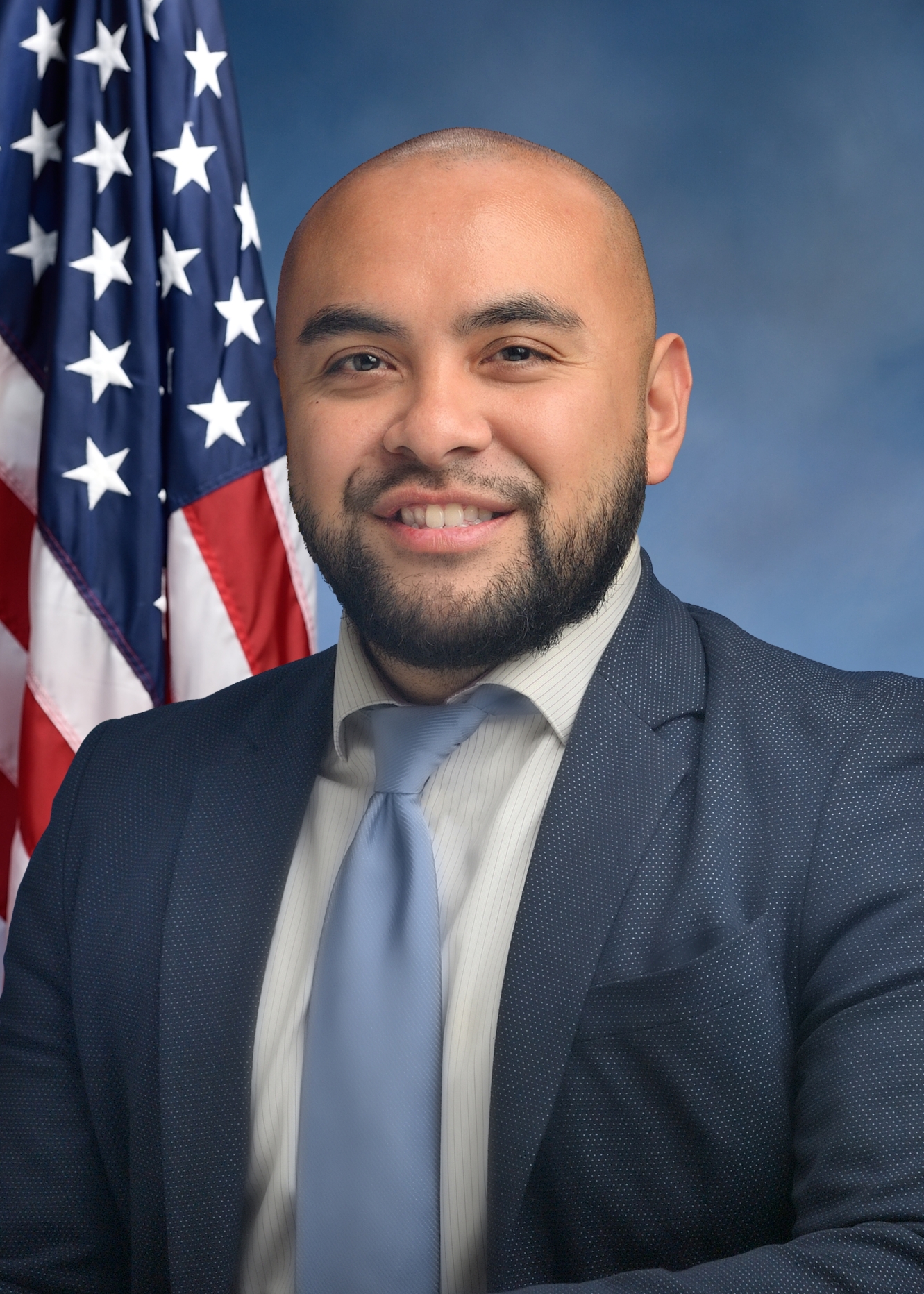
2025 Regular Session Introduced by Steven Raga and 1 co-sponsor

Requires colleges to procure sweatshop-free campus apparel only from certified suppliers, with audits, reporting, and penalties for noncompliance.

REFERRED TO HIGHER EDUCATION
0
WeVote Research Nonpartisan
Bill Summary · A 6958

Summary of Bill A 6958 — Sweatshop-Free College Apparel Act

Overview

Bill A 6958 is a measure titled the “sweatshop-free college apparel act.” It has been introduced on March 18, 2025 and referred to the Higher Education committee. The primary sponsor is Steven Raga, with Karines Reyes listed as a cosponsor. The current legislative history only shows referrals to the Higher Education committee on the same date.

Purpose and Intent

  • The explicit aim, as implied by the title, is to ensure that apparel associated with colleges and universities—likely items such as shirts, sweatshirts, and other branded gear—are produced without sweatshop labor practices.
  • The act would seek to promote labor standards in the manufacture of college apparel and to improve transparency and accountability in procurement related to higher education institutions.

Key Provisions (based on the bill’s title; exact text not provided)

  • Procurement standards: The bill would presumably establish requirements for colleges and universities to purchase apparel only from suppliers/manufacturers that meet defined labor standards and do not employ sweatshop practices.
  • Certification and verification: It likely would authorize or require third-party certification or verifiable documentation demonstrating compliance with labor standards.
  • Supplier contracts: Colleges may be required to include labor-standards provisions in procurement contracts or to adopt purchasing policies that restrict participation of vendors not meeting sweatshop-free criteria.
  • Reporting and transparency: There could be annual reporting or public disclosure requirements regarding supplier compliance, certifications, and enforcement actions.
  • Enforcement and penalties: The act would typically outline consequences for noncompliance by institutions or vendors, along with mechanisms for audits or investigations.
  • Definitions: The bill would define key terms such as “sweatshop,” “college apparel,” and related compliance standards to provide a clear framework.

Note: The above provisions reflect common elements in sweatshop-free procurement statutes. The exact, enforceable text and detailed requirements would be clarified in the bill’s full language.

Affected Parties

  • Higher education institutions (colleges and universities) and their procurement/purchasing offices.
  • Apparel vendors and manufacturers supplying collegiate-branded clothing.
  • Students and campus communities, who may benefit from apparel produced under higher labor standards.
  • State or district procurement and compliance agencies, if referenced in the act.

Legislative History and Status

  • Introduced: March 18, 2025.
  • Action: Referred to the Higher Education committee on March 18, 2025 (listed twice in the record).
  • Sponsors: Steven Raga (primary) and Karines Reyes (cosponsor).

Potential Impact

  • Labor standards: More stringent oversight of labor practices in the apparel supply chain serving higher education.
  • Procurement practices: Possible shift toward certified suppliers and documented compliance.
  • Costs: Potential changes in pricing or vendor selection, with possible public procurement benefits from improved labor standards.
  • Public accountability: Greater transparency around where college apparel is made and under what conditions.

Next Steps

  • The bill would proceed through committee hearings, potential amendments, and floor votes if advanced by the Higher Education committee.
  • Readers should monitor subsequent legislative actions for the full text, defined terms, and specific requirements.

Compiled from official sources — confirm details with the bill’s official record.

Sign in to ask a question.