

WeVote

Bill

Bill

A 11199

Enacts the "police radio transparency act"

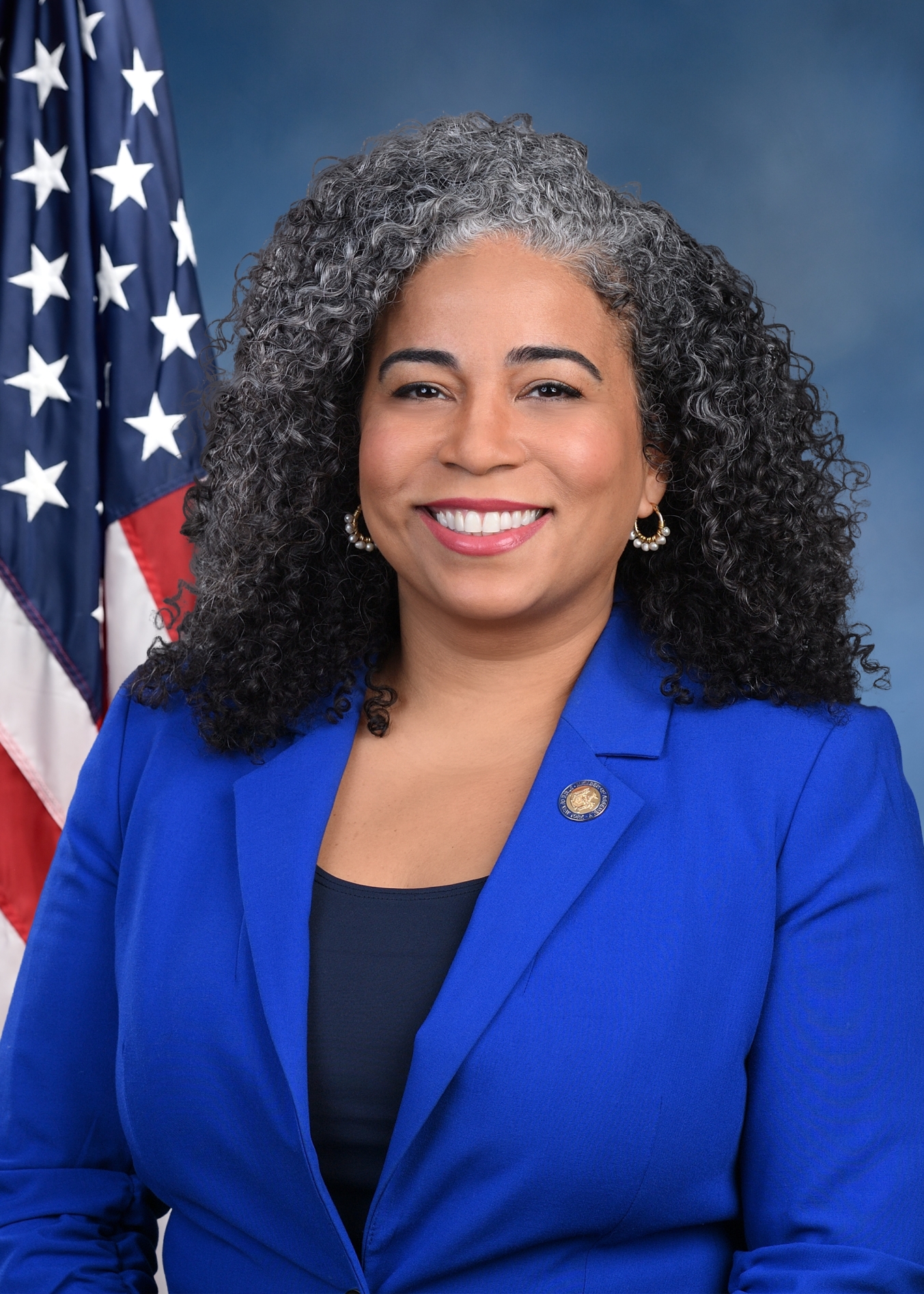
2025 Regular Session Introduced by Karines Reyes

Allows professional journalists and certain emergency personnel to monitor real-time non-sensitive police radio traffic even when agencies encrypt, enhancing transparency.

REFERENCE CHANGED TO WAYS AND MEANS
0
WeVote Research Nonpartisan
Bill Summary · A 11199

Summary of Bill A. 11199-A (2025-2026) — New York “Police Radio Transparency Act”

Purpose and intent

  • Establishes a framework to allow real-time monitoring of law enforcement radio communications by professional journalists, newscasters, and certain emergency services personnel, even when agencies encrypt their radio traffic.
  • Aims to increase transparency around police radio communications while creating defined limits to protect sensitive information and investigative techniques.

Key provisions and changes

  • New statutory section added: Executive Law § 222-a, “Law enforcement radio communications transparency.”
  • Definitions (Section 222-a(1)):
    • Emergency services organization: as defined in the executive law.
    • Encryption: encoding that makes radio communications hard or impossible to monitor by standard receivers/scanners.
    • Law enforcement agency: any NY municipality or state agency employing at least 25 police officers (excludes the Department of Corrections).
    • Professional journalist, Newscaster, Newsgathering organization: aligned with Civil Rights Law provisions; news entities must be covered by libel insurance to be considered a newsgathering organization.
    • Radio communications: public-facing police radio traffic (dispatch-to-officer, officer-to-dispatch, or inter-officer) that is accessible to monitors; excludes private device communications (e.g., cell phones) and data transmissions to/from mobile data terminals.
    • Sensitive information: portions of radio communications whose disclosure could compromise fair trials, reveal confidential sources or investigative techniques/procedures (beyond routine), disclose undercover operations/personnel, or reveal locations/activities of non-public government officials.
  • Access to encrypted radio traffic (Section 222-a(2)):
    • If a law enforcement agency encrypts any portion of its radio communications, it must ensure that all non-sensitive portions may be monitored in real time by professional journalists, newscasters, and emergency services personnel.
  • Rulemaking process (Section 222-a(3)):
    • The Department of State, with input from the Division of State Police, must create a process for granting real-time monitoring access to eligible journalists, newscasters, and emergency services personnel.
    • Eligibility criteria include proof of professional engagement. The Department may approve applicants only if a qualifying newsgathering organization employed/engaged the applicant as press.
    • Rulemaking considerations should align with processes similar to those in section 144-a of the Civil Practice Law and Rules (e.g., credentials and oversight).
  • Local authority preservation (Section 222-a(4)):
    • The act does not supersede or prevent New York City or any agency/official from acting under local law 46 of 2026 (specific local provision referenced but not detailed in the bill text).
  • Effective date (Section 222-a(5)):
    • The act takes effect 180 days after becoming law.

Who is affected

  • Law enforcement agencies statewide that encrypt portions of their radio communications.
  • Professional journalists, newscasters, and emergency services personnel who seek real-time access to monitored, non-sensitive radio traffic.
  • Newsgathering organizations: entities seeking to qualify for monitoring privileges must meet insurance and engagement criteria.
  • New York City and local jurisdictions: retained ability to operate under any applicable local laws in addition to this act.

Procedural and timeline aspects

  • Introduced in the Assembly, amended, and reprinted as amended; referred to Governmental Operations with subsequent amendment/recommitment.
  • Effective date: 180 days after enactment.
  • Administrative rulemaking is to be conducted by the Department of State in consultation with the Division of State Police.
  • Applications for monitoring privileges must demonstrate professional engagement and association with a qualifying newsgathering organization.

Potential impact and considerations

  • Could significantly increase public access to real-time police radio traffic, enhancing transparency and accountability.
  • Balances transparency with safeguards by defining “sensitive information” and restricting access to non-sensitive content; requires oversight and credentials to limit access to legitimate journalists and emergency personnel.
  • May raise operational considerations for law enforcement agencies with encryption, including reliability of public communication channels and potential public-safety implications during high-intensity incidents.
  • Local jurisdictions may adapt or supplement with their own rules, preserving some flexibility at the municipal level.

If you’d like, I can provide a side-by-side comparison with existing transparency or encryption laws in New York, or outline potential implementation challenges and suggested safeguards.

Compiled from official sources — confirm details with the bill’s official record.

Sign in to ask a question.