Summary of Bill A 6962 — "No Child Left Out Inclusive Playgrounds Act"
Overview
Bill A 6962, titled the "No Child Left Out Inclusive Playgrounds Act," was introduced on March 18, 2025 and referred to the Consumer Affairs and Protection committee. The version information shows two entries for the same referral, indicating the bill is at an early stage of the legislative process. The full text of the bill’s provisions is not provided in the materials available here.
Purpose and intent (inferred from the title)
- The title suggests the bill aims to promote inclusive playgrounds and ensure that children with disabilities or other barriers are not excluded from play spaces.
- The intended outcome is likely to improve accessibility, inclusion, and safety in public playgrounds, possibly through design standards, requirements for new or renovated facilities, and/or funding or incentives.
Note: The actual statutory language will determine the precise duties, definitions, and mechanisms (e.g., mandates vs. incentives, specific accessibility standards, geographic scope, and enforcement).
Key provisions (not specified in the available text)
The exact provisions are not included in the provided materials. Based on the title, potential areas the bill could address (to look for in the full text) include:
- Accessibility standards for playground equipment and outdoor spaces (e.g., ADA/comparable state standards).
- Requirements for new playgrounds to be inclusive or for existing playgrounds to be retrofitted.
- Funding mechanisms (grants, state funds, or guidance to local governments) to support inclusive playground projects.
- Deadlines or phased timelines for compliance.
- Roles and responsibilities of local government, park districts, school districts, or state agencies.
- Reporting and accountability measures (audits, progress reports).
- Definitions of key terms (inclusive playground, disabilities, access, etc.).
- Enforcement and penalties (if any) or administrative processes through the Consumer Affairs and Protection authority.
Sponsors
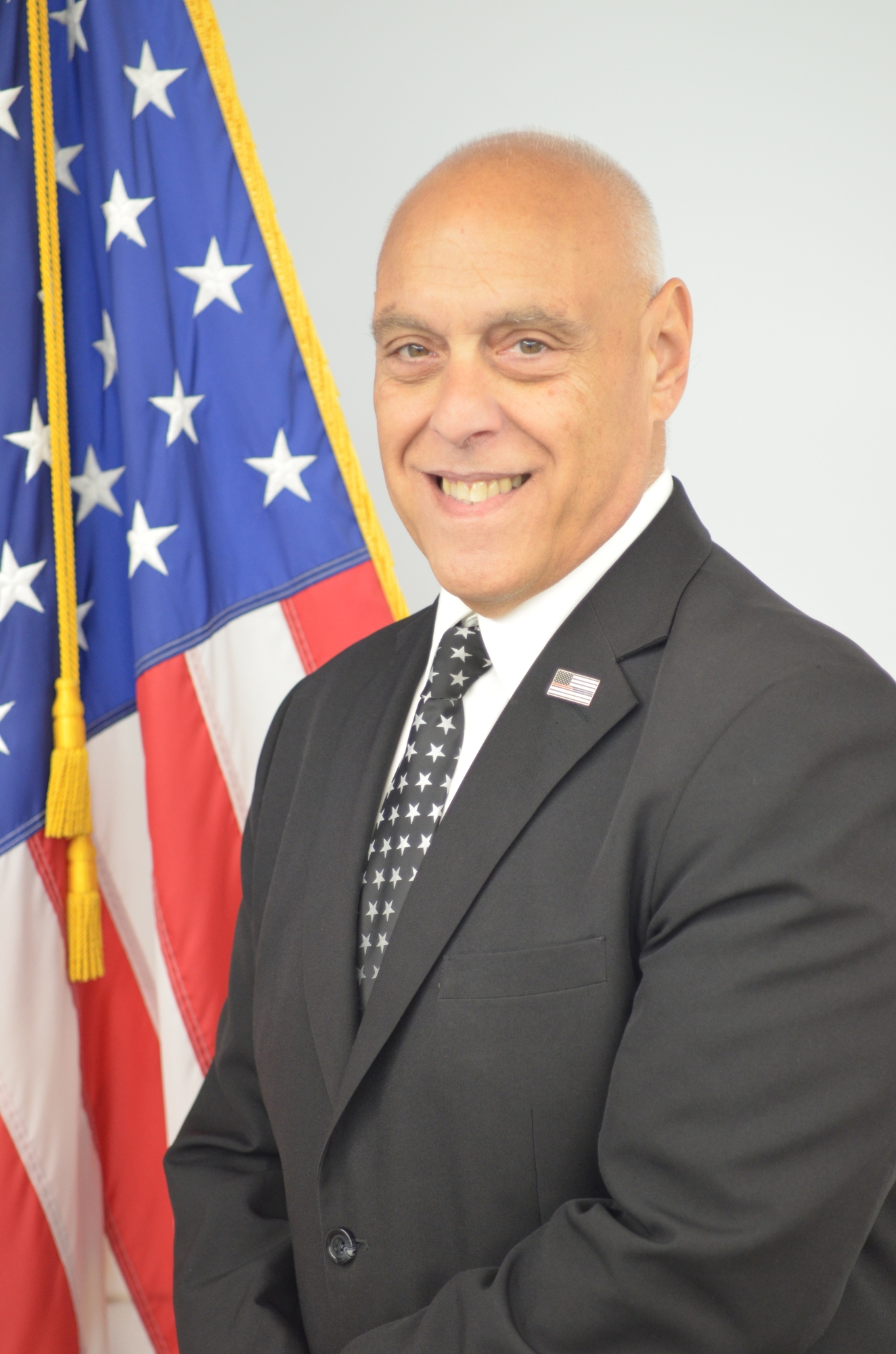
- Primary sponsor: Angelo Santabarbara
- Cosponsors: Gabriella Romero, Brian Manktelow, Jodi Giglio, Nader Sayegh, Joe DeStefano, Karines Reyes, Philip Ramos
Who would be affected
- Primary beneficiaries: children with disabilities and their families, as well as communities prioritizing inclusive public spaces.
- Potentially affected entities: state and local park agencies, municipalities, park districts, school districts, playground equipment manufacturers and vendors, and agencies within the Consumer Affairs and Protection portfolio (if they oversee implementation or enforcement).
Procedural status and timeline
- Introduced: March 18, 2025
- Status: Referred to the Consumer Affairs and Protection committee
- Actions listed: The document shows two identical entries for the referral date, indicating standard initial committee consideration. No further actions (hearings, votes, or fiscal notes) are available in the provided information.
Next steps for readers
- Monitor for the full text of the bill to review exact provisions, definitions, and requirements.
- Watch for committee hearings or amendments in the Consumer Affairs and Protection committee.
- Check for fiscal impact statements (if issued) to understand potential costs and funding sources.
- Review any subsequent sponsor statements or analyses to gauge anticipated implementation burden and timelines.
Plain-language takeaway
If enacted, A 6962 would likely promote inclusive playgrounds and outline how public spaces should accommodate children of all abilities. The concrete requirements, funding, and timelines will depend on the final text and committee actions. Readers should follow the bill’s progression to see the specific mandate or incentives and how local communities would be affected.