

WeVote

Bill

Bill

A 8856

Enacts the "mandatory arbitration & business licensing act"

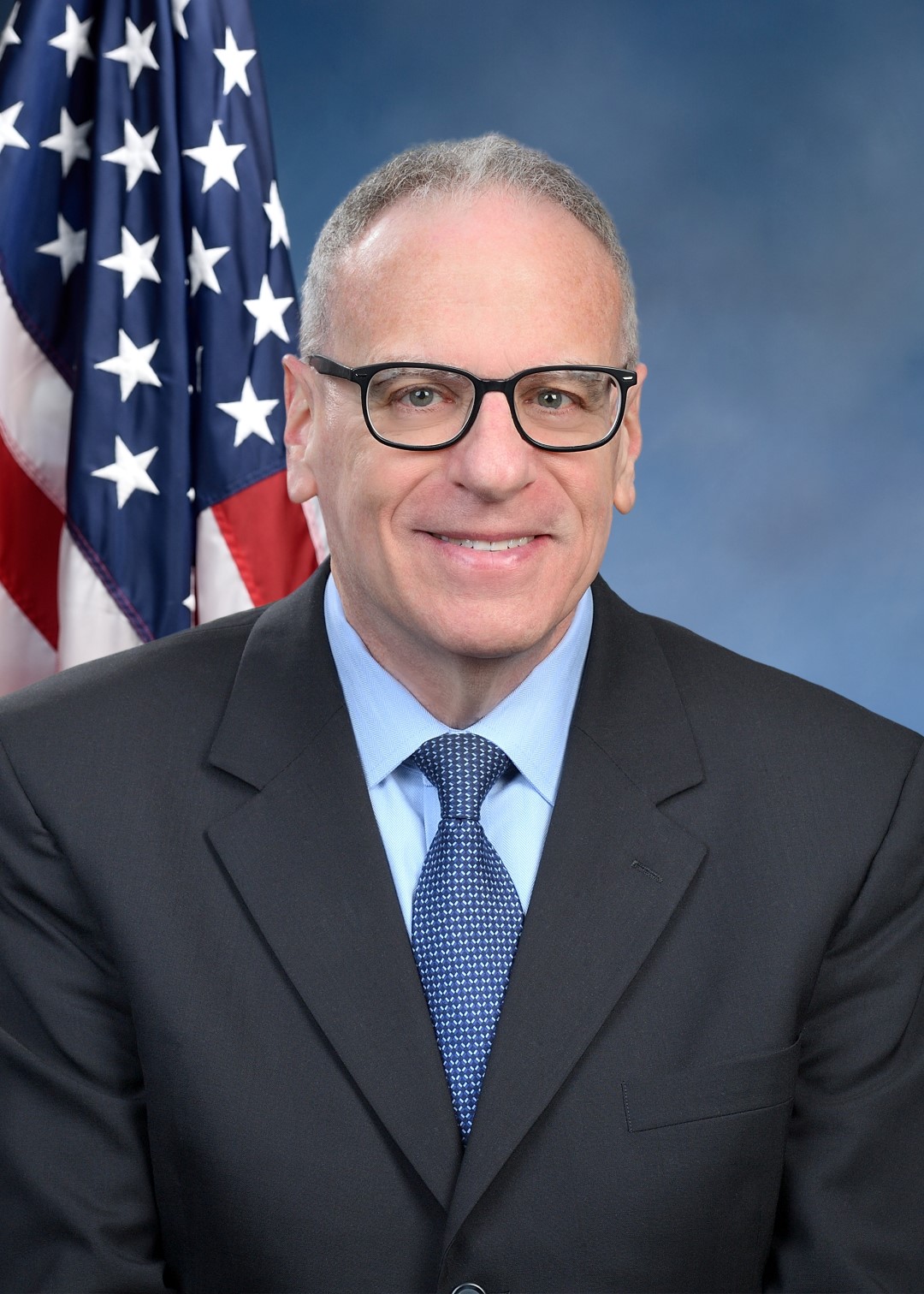
2025 Regular Session Introduced by Jeffrey Dinowitz

The Mandatory Arbitration & Business Licensing Act requires businesses to resolve disputes through arbitration and meet new licensing standards, enhancing consumer protections.

REFERRED TO CONSUMER AFFAIRS AND PROTECTION
0
WeVote Research Nonpartisan
Bill Summary · A 8856

Summary of Bill A 8856: Mandatory Arbitration & Business Licensing Act

Bill Number: A 8856
Title: Enacts the "Mandatory Arbitration & Business Licensing Act"
Status: Referred to Consumer Affairs and Protection
Introduced: June 09, 2025
Classification: Bill

Purpose and Intent

The Mandatory Arbitration & Business Licensing Act aims to establish a framework for mandatory arbitration in business disputes and to regulate the licensing of businesses operating within the jurisdiction. The intent of the bill is to streamline dispute resolution processes and ensure that businesses comply with standardized licensing requirements, thereby enhancing consumer protection and promoting fair business practices.

Key Provisions

  1. Mandatory Arbitration:

    • The bill mandates that all business-related disputes must be resolved through arbitration rather than litigation. This provision is designed to reduce the burden on the court system and expedite the resolution process.
    • Specific guidelines for arbitration procedures, including timelines and requirements for arbitrators, will be established.
  2. Business Licensing Requirements:

    • The act introduces new licensing requirements for businesses, which will include:
      • Submission of detailed business plans.
      • Proof of financial stability.
      • Compliance with local, state, and federal regulations.
    • Licensing will be contingent upon successful completion of an arbitration training program for business owners, ensuring they understand the arbitration process.
  3. Consumer Protections:

    • The bill includes provisions aimed at protecting consumers, such as:
      • Transparency in arbitration agreements.
      • The right for consumers to opt-out of mandatory arbitration under certain circumstances.
      • Enhanced disclosure requirements for businesses regarding their arbitration policies.

Affected Parties

  • Businesses: All businesses operating within the jurisdiction will be required to comply with the new licensing and arbitration requirements. This may lead to increased operational costs due to training and compliance measures.
  • Consumers: Consumers will benefit from enhanced protections and clearer processes for resolving disputes with businesses. However, they may also face limitations on their ability to pursue litigation in certain cases.
  • Arbitrators: The bill may increase demand for trained arbitrators, leading to potential growth in this sector.

Procedural and Timeline Aspects

  • The bill was introduced on June 09, 2025, and has been referred to the Consumer Affairs and Protection committee for further consideration.
  • If passed, the bill will establish a timeline for implementation, including deadlines for businesses to comply with the new licensing requirements and for the establishment of arbitration procedures.

Related Legislation

  • S 8126: This bill serves as a companion to A 8856, indicating that similar provisions may be considered in the Senate, potentially facilitating a more comprehensive legislative approach to arbitration and business licensing.

This summary provides an overview of the Mandatory Arbitration & Business Licensing Act, highlighting its purpose, key provisions, and potential impacts on businesses and consumers. Further developments will depend on the legislative process and discussions within the Consumer Affairs and Protection committee.

Compiled from official sources — confirm details with the bill’s official record.

Sign in to ask a question.