

WeVote

Bill

Bill

A 1983

Enacts the interstate medical licensure compact

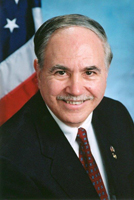
2025 Regular Session Introduced by William Colton and 4 co-sponsors

Bill A 1983 streamlines medical licensing for physicians across states, enhancing healthcare access and allowing qualified doctors to practice in multiple states efficiently.

REFERRED TO HIGHER EDUCATION
0
WeVote Research Nonpartisan
Bill Summary · A 1983

Summary of Bill A 1983: Interstate Medical Licensure Compact

Purpose and Intent

Bill A 1983 aims to enact the Interstate Medical Licensure Compact (IMLC), a multi-state agreement designed to streamline the process for physicians to obtain medical licenses across participating states. The primary goal of this legislation is to enhance access to healthcare by allowing qualified physicians to practice in multiple states without the need for separate licenses in each jurisdiction.

Key Provisions

  • Interstate Compact Framework: The bill establishes a framework for states to join the IMLC, facilitating the issuance of multi-state licenses to eligible physicians.
  • Eligibility Criteria: Physicians must meet specific qualifications to apply for a multi-state license, including:
    • Holding a valid and unrestricted medical license in their home state.
    • Completing a background check and meeting educational and training requirements.
  • Application Process: The compact simplifies the application process, allowing physicians to apply for licensure in multiple states through a single application.
  • State Participation: States that join the compact agree to adhere to its regulations and share information regarding physician licensure and disciplinary actions.
  • Regulatory Oversight: The bill outlines the responsibilities of the compact's governing body, which will oversee the administration of the compact and ensure compliance among member states.

Who Would Be Affected

  • Physicians: The primary beneficiaries of this bill are licensed physicians who wish to practice in multiple states, particularly those in underserved areas or states with physician shortages.
  • Patients: Increased access to qualified healthcare providers in various states will benefit patients, especially in rural or remote areas.
  • State Medical Boards: State medical boards will need to adapt to the new compact regulations and processes for licensure.

Procedural and Timeline Aspects

  • Introduced Date: The bill was introduced on January 14, 2025.
  • Current Status: As of the introduction date, the bill has been referred to the Higher Education Committee for further consideration.
  • Related Legislation: This bill is related to prior-session Bill A 9301 and has a companion bill, S 5657, which may provide additional context or support for the IMLC initiative.

Conclusion

Bill A 1983 represents a significant step towards modernizing the medical licensure process in the United States. By enacting the Interstate Medical Licensure Compact, the bill seeks to improve healthcare access and efficiency, ultimately benefiting both healthcare providers and patients across participating states.

Compiled from official sources — confirm details with the bill’s official record.

Sign in to ask a question.