

WeVote

Bill

Bill

A 11066

Enacts the "fraudulent social media advertising prevention act"

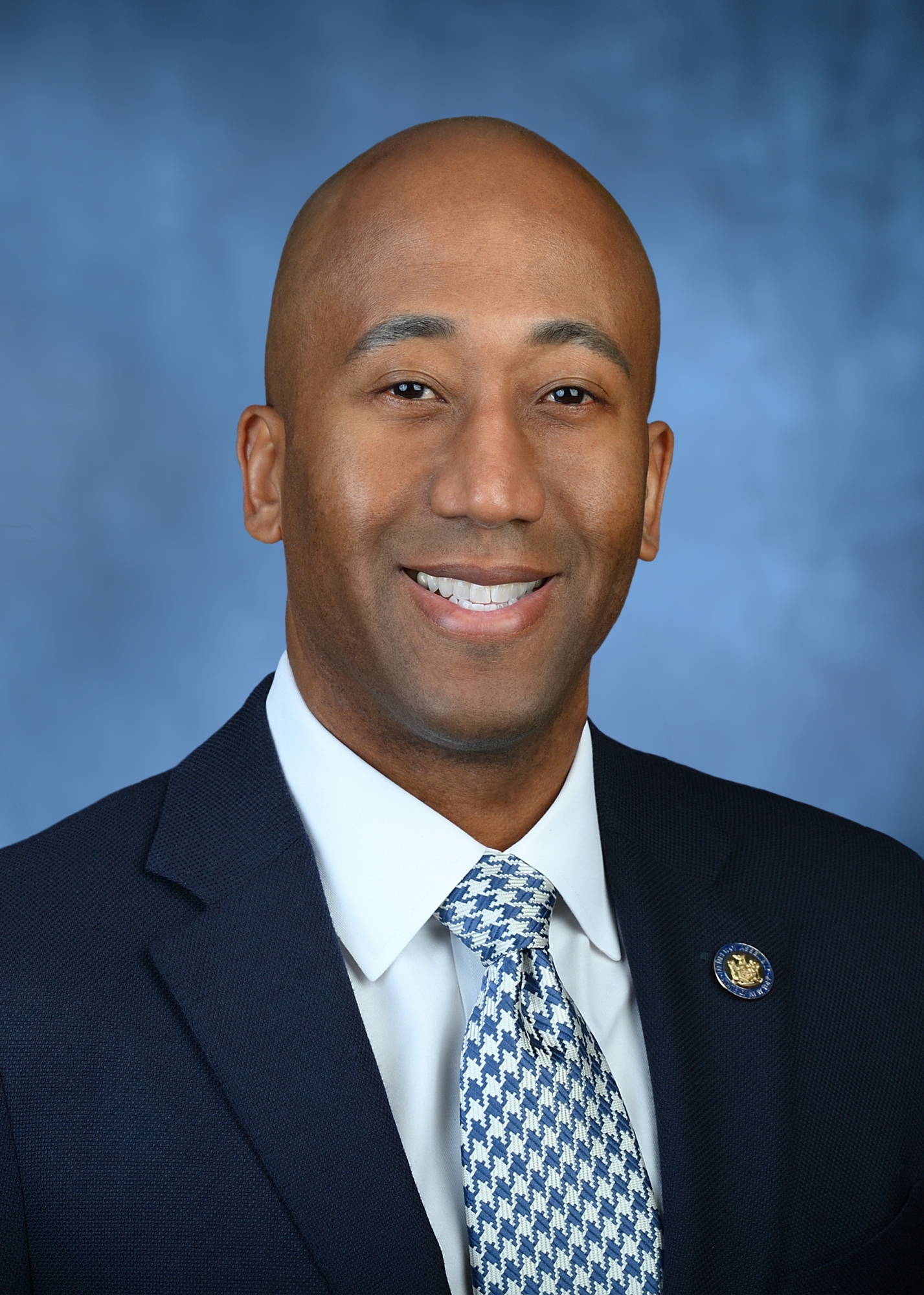
2025 Regular Session Introduced by Clyde Vanel

New York requires platforms to verify advertisers, vet ads before publication, remove fraudulent ones, and maintain records with quarterly reporting and penalties.

REFERRED TO CONSUMER AFFAIRS AND PROTECTION
0
WeVote Research Nonpartisan
Bill Summary · A 11066

Summary of Bill A. 11066 (2025-2026) – Fraudulent Social-Media Advertising Prevention Act (New York)

Purpose and intent

  • Establishes new obligations for social-media platforms to prevent, detect, and remove fraudulent advertisements targeting New York residents.
  • Argues that platforms should vet advertisers, verify legitimacy, review ads before publication, and maintain records to protect consumers from deceptive or fraudulent ads.
  • Seeks to close gaps in existing law (e.g., deceptive-practices provisions) by specifically requiring platform-level vetting and monitoring of ads.

Key provisions and changes

Definitions (Article 33-C, § 699-a)

  • Platform: Any online website, social-media service, mobile app, or digital ad network displaying third-party ads to users in New York, regardless of location of the platform.
  • Advertisement (ad): Any paid message or promotional content intended to market or induce purchase/download of a product, service, app, or opportunity.
  • Advertiser: Person, business, or entity paying for or causing an ad to be displayed.
  • Fraudulent advertisement: An ad that is:
    • Materially misrepresents aspects of the product/service, or misleads a reasonable consumer
    • Promotes counterfeit, non-existent, or illicit goods/services
    • Makes false or unsubstantiated claims
    • Links to fraudulent/phishing or otherwise deceptive content
  • Vetting process: Written, good-faith procedures to review advertisers/ads, including identity verification, content screening, risk-flagging, landing-page checks, and complaint monitoring.

Platform obligations (§ 699-b)

  1. Advertiser verification prior to publishing: Platforms must verify advertiser identity, including:
    • Legal name
    • Valid physical/business address
    • Government-issued ID for individuals
    • Business registration/tax ID or equivalent for entities
  2. Vetting of ads before publication:
    • Screen ad content for fraud/misleading/high-risk claims
    • Review the landing page, app store listing, website, or linked content
    • Compare advertiser statements to actual product/service for consistency
    • Use automated/manual review systems to detect fraudulent behavior
  3. Reporting and removal mechanisms:
    • Platforms must provide channels for users and the Attorney General to report suspected fraud
    • Remove or disable ads reasonably suspected to be fraudulent
    • Promptly remove ads upon credible notice or evidence of fraud
  4. Recordkeeping (retention of data for 5 years):
    • All verification information from advertisers
    • Ads reviewed, including approval/rejection/removal logs
    • Consumer or law-enforcement reports regarding fraud
    • Actions taken in response to reports

Reporting requirements (§ 699-c)

  1. Quarterly reporting to the Attorney General by each platform, including:
    • Total ads submitted for review
    • Number of ads rejected/suspended/removed for fraud or suspected fraud
    • Number of advertiser accounts suspended or banned for fraudulent conduct
    • Number of user complaints or fraud reports received
    • Summary descriptions of improvements to fraud-prevention systems
  2. Public reporting: The Attorney General must publish an annual public summary of platform compliance and enforcement actions.

Enforcement, penalties, and private right of action (§ 699-d)

  1. Violations are treated as deceptive acts or practices under New York General Business Law § 349.
  2. Attorney General can seek injunctions, restitution, and civil penalties.
  3. Penalties:
    • Up to $5,000 per fraudulent advertisement
    • Up to $10,000 per advertisement for willful, repeated, or reckless violations
  4. Individuals harmed by a platform’s knowing or negligent failure to comply may sue for actual damages, statutory damages, injunctive relief, and attorney’s fees.
  5. A platform that has maintained a reasonable vetting process and acted promptly to remove fraudulent ads upon discovery may use that effort as a defense to civil penalties (but not to restitution).

Miscellaneous

  • Severability: If any part is invalid, the rest remains in effect.
  • Effective date: Took effect 180 days after enactment.

Who/what is affected

  • Target: Social-media platforms, online platforms, and digital ad networks that display third-party ads to New York residents.
  • Advertisers: Businesses, individuals, or entities paying for ads; their verification data and ad practices become subject to regulatory oversight.
  • Enforcement entities: New York Attorney General and, potentially, courts for injunctive relief and damages.
  • Public: New Yorkers benefit from increased transparency, improved fraud prevention, and access to annual compliance reporting.

Procedural and timeline aspects

  • Effective date: 180 days after enactment.
  • Filing and reporting cadence:
    • Quarterly platform reports to the Attorney General (ads reviewed, actions taken, complaints, etc.)
    • Annual public summary of compliance/enforcement by the Attorney General.
  • Penalties apply per fraudulent advertisement, with steeper penalties for willful, repeated, or reckless conduct.

Overall take

The bill imposes specific, enforceable duties on platforms to verify advertisers, vet and monitor ads, and maintain detailed records. It creates a framework for quarterly and annual reporting, with civil penalties and private rights of action intended to deter and remedy fraudulent advertising encountered by New Yorkers on social media and other digital platforms.

Compiled from official sources — confirm details with the bill’s official record.

Sign in to ask a question.