

WeVote

Bill

Bill

A 7258

Enacts the Child Sexual Abuse Reform Act; provides for the elimination and extension of certain statutes of limitations relating thereto

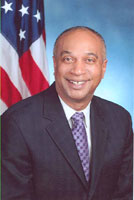
2025 Regular Session Introduced by Gary Pretlow

Enacts a Child Sexual Abuse Reform Act with a new framework to eliminate or extend statutes of limitations, enabling more survivors to pursue criminal charges or civil claims.

REFERRED TO CODES
0
WeVote Research Nonpartisan
Bill Summary · A 7258

Summary of Assembly Bill A 7258

Overview

  • Bill Number: A 7258
  • Title: Enacts the Child Sexual Abuse Reform Act; provides for the elimination and extension of certain statutes of limitations relating thereto
  • Status: Referred to Codes (as of March 21, 2025)
  • Introduced: March 21, 2025
  • Sponsored by: J. Gary Pretlow (primary)
  • Related bills (prior sessions): A 363, A 1042, A 2393, A 2503, A 3081, A 4272, A 3842, A 3210, A 3637

Purpose and Intent

  • The bill aims to reform how statutes of limitations (SOL) apply to child sexual abuse cases. By enacting a dedicated framework (the “Child Sexual Abuse Reform Act”), it seeks to:
    • Eliminate certain limitations that currently restrict prosecutions or civil actions against perpetrators or responsible entities.
    • Extend, modify, or otherwise adjust other SOLs to provide longer windows for bringing claims or pursuing prosecution in cases involving child sexual abuse.
  • The exact scope (which offenses or claims are eliminated or extended, and under what conditions) will be defined in the bill’s text.

Key Provisions (Conceptual)

  • Enactment of a specialized framework governing SOLs related to child sexual abuse.
  • Elimination of some time limits that currently restrict action in certain cases involving child sexual abuse.
  • Extension or modification of other SOLs to acknowledge the complexity of locating and prosecuting abuse cases, potentially including:
    • Extended periods to commence criminal charges or civil actions.
    • Possible tolling provisions (e.g., discovery rules, look-back windows, or delays while victims reach adulthood).
    • Procedures for retroactive application or transitional provisions (if any).
  • Definitions and rules governing which acts qualify, who can sue or prosecute, and how state agencies and courts must apply the updated SOL regime.

Who Would Be Affected

  • Victims of child sexual abuse seeking to pursue criminal charges or civil claims.
  • District attorneys, prosecutors, and law enforcement handling such cases.
  • Civil plaintiffs, including survivors and advocates, seeking damages or accountability.
  • Schools, religious institutions, youth-serving organizations, and other entities potentially subject to liability under the reform.
  • Legal practitioners and courts implementing the new SOL framework.

Procedural and Timeline Aspects

  • Current status: Referred to the Assembly Committee on Codes; no further action details provided in the available information.
  • Given the referral, the bill would proceed to committee hearings, potential amendments, and, if advanced, floor consideration with potential amendments.
  • As with many SOL reforms, the bill may include transitional provisions outlining how existing cases are treated and when new rules take effect.

Potential Impacts and Considerations

  • Access to justice: Longer or eliminated SOLs could enable more abuse survivors to seek remedies, both criminal and civil.
  • Legal and operational implications: Prosecutors, law enforcement, and civil defendants may face increased caseloads and new evidentiary considerations; institutions may reassess safeguarding policies and reporting procedures.
  • Financial and policy considerations: Possible increases in civil liability for organizations; potential need for state resources to support investigations and prosecutions under the new framework.
  • Retroactivity: The bill’s text would specify whether changes apply to offenses or claims arising before enactment or only to those arising after.

Next Steps

  • Monitor the bill’s progress in the Assembly Codes Committee for amendments, hearings, and potential passage.
  • Review the bill text for specifics on which SOLs are eliminated or extended, definitions, retroactivity, and transitional provisions.
  • Consider connections to related bills in prior sessions (A 363, A 1042, A 2393, A 2503, A 3081, A 4272, A 3842, A 3210, A 3637) to understand the legislative intent and pattern of reform.

Compiled from official sources — confirm details with the bill’s official record.

Sign in to ask a question.