

WeVote

Bill

Bill

SF 1364

Embezzlement of public funds over a certain amount penalty increase provision

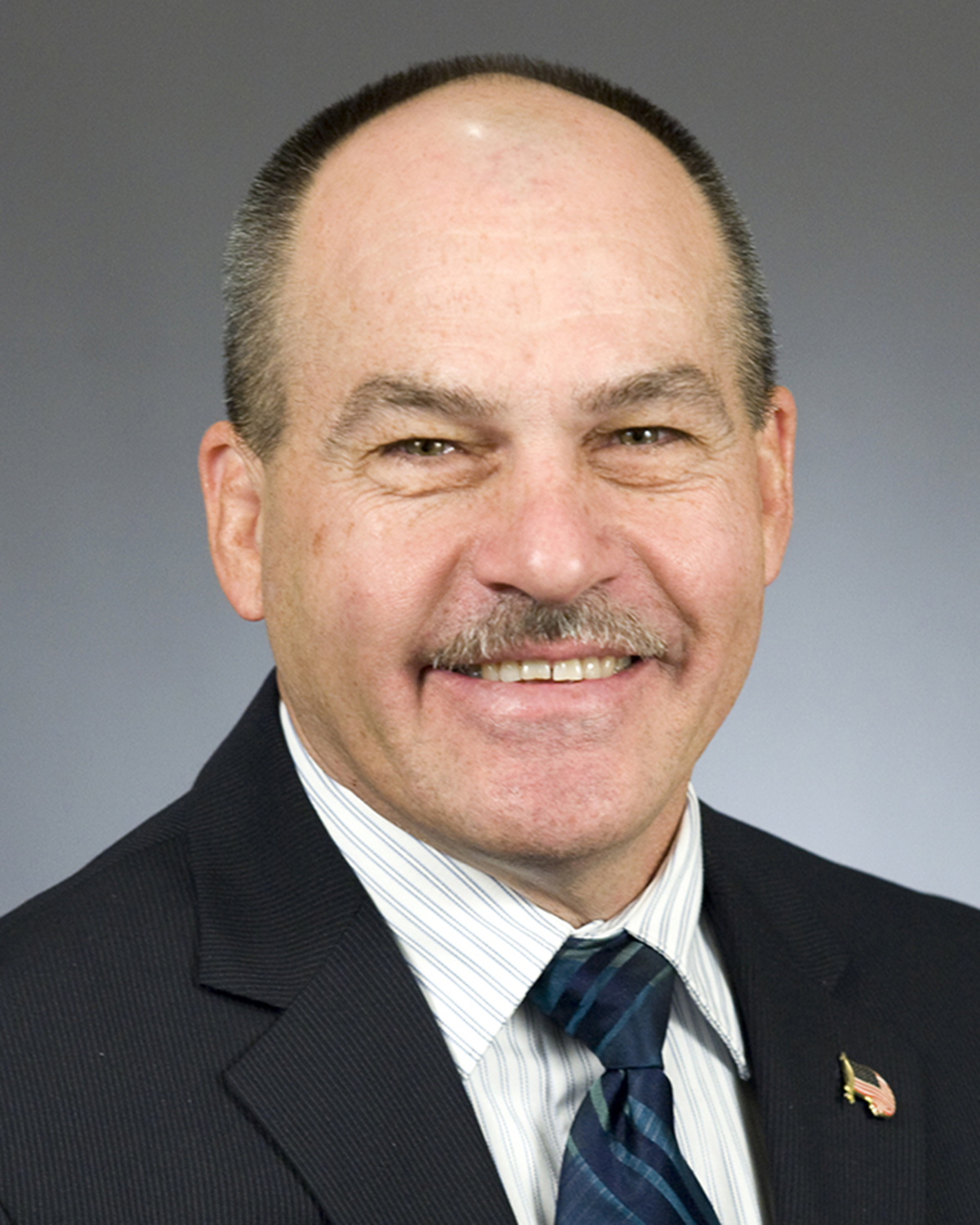
2025-2026 Regular Session Introduced by Jeff Howe and 1 co-sponsor

Raises penalties for embezzling public funds above a set threshold to deter large-scale theft and protect taxpayers, altering charges and sentencing.

Referred to Judiciary and Public Safety
0
WeVote Research Nonpartisan
Bill Summary · SF 1364

SF 1364 — Embezzlement of public funds over a certain amount penalty increase provision

Overview

SF 1364 proposes increasing penalties for embezzlement of public funds when the amount involved exceeds a specified threshold. The bill’s core aim is to strengthen accountability and deterrence for financial crimes targeting public resources.

What the bill would do (high level)

  • Introduces a penalty increase provision tied to embezzlement of public funds that exceed a defined amount.
  • The exact threshold and the nature of the penalty increase (e.g., higher felony level, enhanced fines, longer terms of imprisonment) would be specified in the bill text.
  • Applies to offenses involving public funds (i.e., money or assets belonging to a government entity) breached through embezzlement.

Note: The precise threshold, statutory language, and any exceptions or related penalties are not provided in the available summary and would be drawn from the bill’s text.

Key provisions (as far as information available)

  • Penalty enhancement: An increase in penalties for embezzlement when the amount embezzled surpasses a defined threshold.
  • Scope: Focused on embezzlement of public funds; potential alignment with existing criminal statutes governing theft/embezzlement and public corruption.
  • Threshold: To be defined within the bill; not specified in the summary.

Who or what would be affected

  • Offenders who embezzle public funds and whose embezzlement amount exceeds the threshold.
  • Public entities and agencies that hold or disburse public funds (as those funds are the subject of the crime).
  • Prosecution and defense lawyers handling embezzlement cases, who may face changes in charging and sentencing parameters.
  • Victims and the public, who may benefit from stronger penalties and deterrence.

Procedural and timeline aspects

  • Introduced: February 13, 2025.
  • First reading: February 13, 2025.
  • Referral: Judiciary and Public Safety (Senate committees) for consideration and potential markup.
  • Related legislation: HF 2828 (House companion) — indicates parallel consideration in the House.

Related legislation

  • HF 2828 (companion bill) — Senate SF 1364 has a House counterpart, suggesting coordinated or similar provisions across chambers.

Potential impact and considerations

  • Deterrence and public accountability: Higher penalties for large-scale embezzlement could deter wrongdoing and reflect the seriousness of misappropriating public funds.
  • Criminal justice process: Depending on the threshold and penalty structure, could influence charging decisions, plea negotiations, and sentencing guidelines.
  • Fiscal and administration effects: If penalties significantly increase, there may be implications for corrections costs and case management, though exact figures are not provided.

Next steps

  • Await the bill text to confirm the threshold amount, specific penalty amounts or ranges, and any exemptions or procedural provisions.
  • Monitor committee action in Judiciary and Public Safety for potential amendments, hearings, and movement toward floor votes.
  • Review the House companion (HF 2828) for parallel language and potential cross-chamber alignment.

Compiled from official sources — confirm details with the bill’s official record.

Sign in to ask a question.