

WeVote

Bill

Bill

HR 7110

Eliminating Bias in Algorithmic Systems Act of 2026

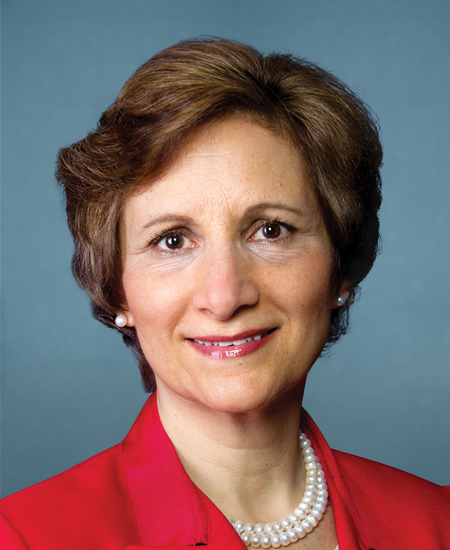
119th Congress Introduced by Suzanne Bonamici and 16 co-sponsors

Requires covered federal agencies to create internal Offices of Civil Rights to address bias in algorithms and report biannually on harms and mitigation.

Introduced in House
1
WeVote Research Nonpartisan
Bill Summary · HR 7110

Overview

HR 7110, the Eliminating Bias in Algorithmic Systems Act of 2026, would require covered federal agencies that use, fund, procure, oversee, or regulate algorithms to establish an internal Office of Civil Rights focused on bias, discrimination, and other harms associated with algorithms. The bill sets reporting requirements, creates an interagency working group, and authorizes appropriations as needed to implement these provisions.

Purpose and intent

  • Ensure federal agencies that interact with algorithms actively address civil rights and harms related to algorithmic systems.
  • Create dedicated expertise within agencies to assess, mitigate, and report on bias and discrimination stemming from algorithmic processes.
  • Improve transparency and stakeholder engagement around the impacts of covered algorithms on protected characteristics.

Key provisions and changes

  1. Definitions

    • Covered Agency: Any agency that uses, funds, procures, or oversees a covered algorithm, or participates in development of such algorithms.
    • Covered Algorithm: A computational process using machine learning, NLP, AI techniques, or similar, with potential to affect program access, opportunities, rights, or terms of service (e.g., funding, regulation, or rights protections).
    • Protected Characteristic: A broad list including race, color, ethnicity, national origin, religion, sex, disability, language proficiency, income, age, veteran status, genetic information, and other classifications protected by federal law, among others.
  2. Office of Civil Rights and reporting

    • Each covered agency must have an Office of Civil Rights headed by leadership that employs experts and technologists focused on bias, discrimination, and related harms in relation to protected characteristics.
    • The Office must produce reports on a biannual basis (initial report due within 1 year after enactment, then every 2 years) detailing:
      • The state of the field and technology of covered algorithms as it relates to agency jurisdiction and associated risks of bias and discrimination.
      • Steps the agency has taken to mitigate harms tied to protected characteristics.
      • Engagement with stakeholders (industry, civil rights advocates, consumer protection groups, academic experts, workers, affected populations, and others) regarding bias and harms.
      • Recommendations for legislative or administrative actions to mitigate biases or harms from covered algorithms.
  3. Interagency collaboration

    • Within 1 year after enactment, the Assistant Attorney General (Civil Rights Division) of the DOJ must establish an interagency working group on covered algorithms and civil rights, with each agency’s Office of Civil Rights as a member.
  4. Funding

    • Authorization of appropriations: Each covered agency may receive such sums as are necessary to implement the Act.

Who is affected

  • Covered agencies: Any federal department or agency that uses, funds, procures, oversees, or develops covered algorithms, or regulates entities using such algorithms.
  • Offices of Civil Rights within those agencies: Required to hire experts and technologists focused on algorithmic bias and related harms.
  • Stakeholders: Industry representatives, civil rights advocates, consumer protection groups, academic and technical experts, worker organizations, and affected communities who interact with or are impacted by algorithmic decisions.

Timeline and procedural aspects

  • Enactment timing: The bill requires initial reporting within 1 year of enactment; subsequent reports are due every 2 years.
  • Interagency Working Group: Establishment within 1 year after enactment.
  • Scope of reporting: Includes current state of technology, mitigation efforts, stakeholder engagement, and policy recommendations.

Potential impact and considerations

  • Strengthens federal oversight of algorithmic systems by embedding civil rights expertise within agencies.
  • Increases transparency and accountability through regular reporting on biases and harms.
  • Encourages proactive mitigation measures and stakeholder engagement in the development and deployment of algorithms.
  • Requires funding flexibility to support the new offices and activities.
  • Could influence how agencies procure or regulate algorithms by prioritizing bias mitigation and rights protections.

Note: The summary reflects the bill text as introduced and does not account for potential amendments or changes during the legislative process.

Compiled from official sources — confirm details with the bill’s official record.

Sign in to ask a question.