

WeVote

Bill

Bill

A 1619

Eliminates the MTA's exemption from environmental quality review standards established by article 8 of the environmental conservation law

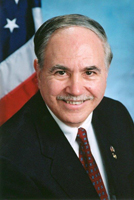
2025 Regular Session Introduced by William Colton and 4 co-sponsors

New Jersey offers up to 50,000 in loan forgiveness over five years for teachers in designated shortage districts who commit to at least five years teaching there.

REFERRED TO CORPORATIONS, AUTHORITIES AND COMMISSIONS
0
WeVote Research Nonpartisan
Bill Summary · A 1619

Summary — A1619 (Reprint AED 3/4/24)

An Act establishing the Grow Your Own Teacher Loan Redemption Program (New Jersey)

Purpose

Establishes the Grow Your Own Teacher Loan Redemption Program in the Higher Education Student Assistance Authority (HESAA) to encourage New Jersey high school graduates (or long‑term local residents) to return to and teach in school districts that the Department of Education designates as experiencing teacher shortages.

Key provisions

  • Creates a loan redemption program administered by HESAA, in consultation with the Department of Education, with implementing rules to be adopted under the Administrative Procedure Act.
  • “School district” is defined to include traditional school districts, charter schools, and renaissance school projects (committee amendment).
  • Loan redemption: up to $10,000 (principal and interest) per full year of certified, full‑time teaching service in an eligible district. Maximum benefit per participant for five years of service is $50,000.
  • HESAA may spend no more than $500,000 in any State fiscal year to implement the program.
  • Program participants must enter a written contract with HESAA requiring a minimum of five years’ employment as a certified teacher; contracts specify the total amount to be redeemed.
  • Eligibility includes New Jersey residency/domicile during participation; graduated from a high school in (or resided ≥5 years in the jurisdiction of) a district designated as having a teacher shortage in the year of application; hired as a certified teacher by that shortage district; outstanding balance on State or federal student loans and not in default.
  • Annual redemption requires submission of certification of full‑time employment.
  • Participants may cancel the contract and resume full responsibility for remaining loan debt. Contracts are nullified on death or total permanent disability; HESAA may nullify/suspend obligations for extreme hardship. HESAA may terminate participation for conviction of a crime or gross negligence.
  • Furnishing false information to obtain benefits is a fourth‑degree crime.
  • The act takes effect immediately upon enactment.

Who is affected

  • Primary beneficiaries: NJ residents who graduated from (or lived for >5 years in) shortage districts and who become certified teachers there and carry State or federal student loan debt.
  • Administrative agencies: HESAA (program administration) and NJ Department of Education (shortage district designation).
  • School districts (including charter and renaissance projects) in shortage designations may gain teacher recruitment/retention benefits.
  • State finances: capped implementation spending of $500,000 per fiscal year.

Fiscal/operational considerations

  • $500,000 annual cap implies a maximum of ~50 full‑year $10,000 redemptions per fiscal year (actual number depends on award sizes and multi‑year payments).
  • Selection of participants is subject to available funds and authority discretion; rulemaking required for implementation.

Legislative status and sponsors

  • Primary sponsor: Assemblymember Linda Rosenthal; cosponsors Deborah Glick, William Colton, Amy Paulin, Jeffrey Dinowitz.
  • Actions: Introduced 1/9/2024 (Assembly Education Committee); reported with amendments 3/4/2024 and referred to Assembly Labor Committee; referred to Corporations, Authorities and Commissions (1/10/2025).
  • Companion bill: S2008. Multiple prior‑session related bills listed.

Compiled from official sources — confirm details with the bill’s official record.

Sign in to ask a question.