

WeVote

Bill

Bill

S 4618

Elementary and Secondary School Counseling Act

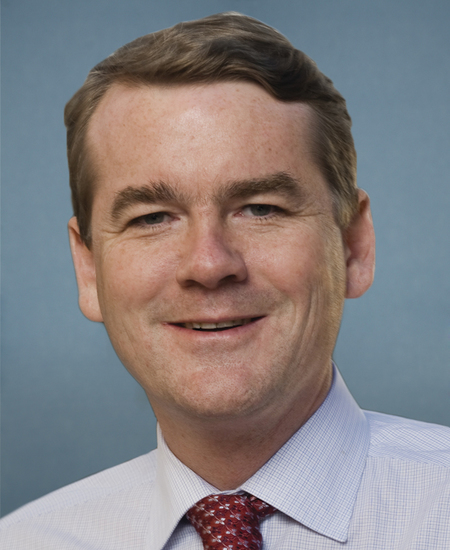
119th Congress Introduced by Michael Bennet and 16 co-sponsors

The act would fund states to subgrant to LEAs to recruit and retain school-based mental health providers in high-need schools, aiming to meet recommended staff-to-student ratios.

Introduced in Senate
0
WeVote Research Nonpartisan
Bill Summary · S 4618

Executive summary

S. 4618, the Elementary and Secondary School Counseling Act, introduced in the 119th Congress on May 21, 2026, aims to dramatically expand access to school-based mental health services by funding and steering staffing in high-need public elementary and secondary schools. The bill would authorize federal grants to states, which then award subgrants to local educational agencies to recruit, retain, or contract with school-based mental health providers (counselors, psychologists, social workers, or other licensed professionals). The overarching goal is to move toward recommended student-to-provider ratios and to ensure high-need schools are adequately staffed.

Purpose and intent

  • To effectively staff high-need public elementary and secondary schools with school-based mental health services providers.
  • To improve access to mental health and related services for students, with an emphasis on early identification and intervention.
  • To align staffing with expert-recommended ratios to support student well-being and educational outcomes.

Key provisions and changes

  • Short title: The act may be cited as the “Elementary and Secondary School Counseling Act.”

  • Findings (Section 2): Establishes the rationale, including:

    • High prevalence of mental, emotional, or behavioral health conditions among youth.
    • Significant anxiety and depression symptoms among adolescents (2021–2023 data).
    • Early onset of mental illness (many cases by age 14) and higher dropout risk for students with mental health conditions.
    • Benefits of in-school access to mental health services (likelihood of seeking care increases tenfold).
    • Endorsement of recommended staff-to-student ratios (per major professional associations):
    • Counselor: 250 students per counselor
    • Psychologist: 500 students per psychologist
    • Social worker: 250 students per social worker
  • Definitions (Section 3):

    • Clarifies terms, including “high-need school,” “school-based mental health services provider,” and “outlying area.”
    • Expands the scope of eligible providers to include licensed or certified school counselors, school psychologists, school social workers, and other qualified mental health professionals (including community-based providers) as permitted by state law.
  • Grants and subgrants to increase access (Section 4):

    • Reservation of funds:
    • 0.5% for Bureau of Indian Education activities
    • 0.5% for outlying areas
    • Up to 2% for administration and technical assistance
    • State grants to award subgrants to LEAs to increase access to providers at high-need schools.
    • Formula-based grant amounts to states, linked to relative size of Title I funding, with a minimum floor to ensure small states receive support.
    • Duration: 5-year grant periods, renewable with evidence of progress.
    • Matching: States must provide 20% matching funds.
    • Application requirements: States must describe use of funds, subgrant mechanisms, outreach plan, and current staff-to-student ratios.
    • Subgrants to LEAs:
    • Use funds to recruit/retain school-based providers or contract with external centers.
    • Priority to LEAs serving many high-need schools.
    • Competitive subgrant process; applications must show prioritization for high-need schools, including those with large low-income student populations.
    • Staffing goals: Subgrants support compliance with recommended ratios (250:1 for counselors and social workers; 500:1 for psychologists) or improved staffing where ratios do not yet meet targets.
    • Reporting:
    • LEAs must annually report activities, provider counts, and current ratios.
    • States must report progress toward staffing goals and resource needs.
    • Public access to reports through the Department of Education website.
    • Supplement, not supplant: Funds must supplement existing expenditures for school-based mental health services.
    • Combining funds: Allowance for combining federal funds with state/local funds.
  • Administration and oversight (Section 4 continued):

    • States and LEAs must track and report provider ratios and progress toward staffing targets.
    • Reports are submitted to relevant federal committees, and made publicly accessible.
  • Authorization of appropriations (Section 5):

    • Authorizes $5,000,000,000 for fiscal year 2027.
    • Authorizes appropriations as necessary for subsequent years.

Who would be affected

  • States (through state educational agencies): Eligible to receive formula grants to fund subgrants to LEAs; must develop applications describing implementation plans, staffing ratios, and subgrant processes.
  • Local Educational Agencies (LEAs): Receive subgrants to recruit/retain school-based mental health providers or to contract with external providers; responsible for distributing funds to high-need schools, meeting staffing targets, and reporting outcomes.
  • High-need public elementary and secondary schools: Primary recipients of enhanced school-based mental health staffing, aiming to reach recommended ratios and improved access to services.
  • Students: Beneficiaries of expanded access to counselors, psychologists, social workers, and other licensed/certified mental health professionals.
  • Providers: School-based counselors, psychologists, social workers, and external providers partnering with LEAs to deliver services.
  • Federal and state program administrators: Responsible for grant administration, reporting, and oversight.

Timelines and process

  • Funding: Authorized for 2027 at $5 billion, with ongoing appropriations in subsequent years as needed.
  • Duration of allocations: Each allotment to states is 5 years, renewable if progress is adequate.
  • Application cycle: States apply with required assurances and ratio data; LEAs apply for subgrants on a competitive basis with a focus on high-need schools.
  • Reporting: Annual reporting by LEAs; annual state reports to the Secretary; public release of reports on DOE website.
  • Administrative reservations: Small percentage reserved for the Bureau of Indian Education and outlying areas; up to 2% for administration and technical assistance.

Potential impact and considerations

  • Could materially increase access to school-based mental health services in high-need schools, addressing under-staffing and long-standing gaps.
  • Emphasizes alignment with widely endorsed staffing ratios, potentially improving early intervention and ongoing support for students.
  • Requires robust state leadership and local coordination to administer subgrants effectively and to monitor progress.
  • Will necessitate sustained federal funding and diligent program oversight to achieve measurable improvements in student outcomes.
  • Data collection and transparency are integral, with annual reporting and public availability of provider ratios and activities.

Compiled from official sources — confirm details with the bill’s official record.

Sign in to ask a question.