

Bill
Sponsor avatar

BILL • US HOUSE

HR 8060

Elder Justice Reauthorization and Modernization Act of 2026

119th Congress
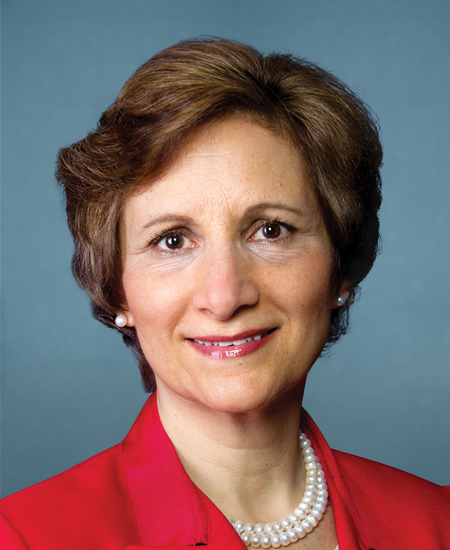
Introduced by Suzanne Bonamici, Richard Neal,

Reauthorizes and expands federal funding and programs to prevent elder abuse, improve protections (APS, ombudsman, training), and create health-legal partnerships to coordinate eld

Introduced in House
0
0
Bill Summary · HR 8060

Overview

  • Bill: HR 8060
  • Session: 119th Congress (2026)
  • Title: Elder Justice Reauthorization and Modernization Act of 2026
  • Purpose: Reauthorize and broaden funding for programs that prevent, investigate, and prosecute elder abuse, neglect, and exploitation, and to modernize related activities and structures.

Main purpose and intent

  • Reauthorize federal funding and expand programs under the Social Security Act and related statutes to strengthen elder justice efforts.
  • Increase and stabilize resources for nursing home worker training, adult protective services, long-term care ombudsman activities, and related linkages between health care, social services, and legal services to address elder abuse and related issues.
  • Improve coordination among federal, state, tribal, and community entities; enhance evaluation, reporting, and transparency; and address social isolation as a factor affecting older adults.

Key provisions and changes

A. Nursing Home Worker Training Grants (Section 2041 of the Social Security Act)

  • Establishes a state entitlement for nursing home worker training grants.
  • Grants to states are determined by a formula based on:
    • Number of residents aged 65+ or with disabilities.
    • Total number of such residents nationwide.
  • Provisions to ensure minimum allotments (as low as 0.25% of available funds) and proportional adjustments to use entire annual available funds.
  • Grants to Indian tribes and tribal organizations, with a formula and reserved funds (2% for tribes, 2% for admin costs).
  • Sub-grants to local organizations (e.g., elder rights groups, workforce boards) for purposes including wage subsidies, tuition/licensing support, child care assistance, and transportation.
  • Use of funds must support eligible individuals in eligible settings (e.g., skilled nursing facilities, home health agencies, hospices, tribal facilities) and may fund additional supportive activities (legal assistance, transportation, etc.).
  • Reporting: annual state reports and a Congress-facing report every 3 years with details on expenditures, grant recipients, employment changes, wages, paid time off, etc.
  • Administration: states may reserve up to 10% of grant funds for administration and related activities.
  • Obligation deadline: unspent funds from a fiscal year must be reallotted within 2 years.

B. Adult Protective Services Functions and Grants Programs

  • Direct funding for APS activities increases (federal appropriation of $10,000,000 per year for 2027-2030).
  • Subsection changes to replace older language about “availability of appropriations” with explicit annual appropriations.
  • Strengthened state and tribal entitlement:
    • States, local governments, and tribal entities may receive grants.
    • New framework to reserve a portion of funds and distribute to Indian tribes and tribal organizations.
    • A clarified, expanded grant-structure to include tribal recipients with a 2% annual reservation for tribal grants.
  • Definitions clarified to include tribal governments alongside states.

C. Long-Term Care Ombudsman Program Grants and Training

  • Increases in appropriations for grants and training to support the long-term care ombudsman program (numbers adjusted to support program activities through 2030).

D. Incentives for Developing and Sustaining Structural Competency

  • Adds a new program (Section 2047) to support linking health and human services with legal services for older adults and adults with disabilities.
  • Eligible activities include:
    • Medical-legal partnerships: integration of lawyers and social workers in elder justice settings to address social determinants of health and root causes of inequities.
    • Partnerships can be implemented through various eligible settings (area agencies on aging, health centers, rural/underserved contexts, etc.).
    • Development or expansion of legal hotlines to connect older adults with legal services.
  • Funding: $125,000,000 per year for 2027-2030 to carry out this subsection.
  • Reporting: biannual state reports, and an intergovernmental Congress report every 4 years.
  • Supplement not supplant: funds must supplement, not replace, existing funding.

E. Addressing Social Isolation (Subtitle B, Title XX alignment)

  • Grants to address social isolation among older adults and those with disabilities.
  • Activities include outreach, development of community-based interventions, connecting individuals to supports, and evaluating outcomes.
  • Training programs for aging organizations to improve capacity to combat isolation, with priority for models that integrate medical-legal partnerships.
  • Funding: $63,000,000 per year for 2027-2030.
  • Coordination: requires alignment with existing aging programs and centers.

F. Technical and Administrative Adjustments

  • Minor technical amendments to cross-references and terminology, including clarifying that medical-legal partnerships are authorized activities within Adult Protective Services.
  • Ensures independence and integrity of federally funded research and evaluation activities (Office of Performance and Evaluation).

G. Assessments and Reporting (Section 3)

  • Requires a biennial assessment report detailing program impact, access to resources, and recommendations for funding and policy changes to improve elder abuse prevention, detection, and treatment.
  • Reinforces independence of federally funded research and evaluation activities under the Administration for Community Living.

Who would be affected

  • Older adults and adults with disabilities benefiting from enhanced elder justice services.
  • State, local, and tribal governments administering grants for elder care, APS, and long-term care ombudsman programs.
  • Nursing home workers and other paid care staff receiving wage subsidies, tuition support, licensing support, and transportation/childcare assistance.
  • Local organizations and elder rights groups receiving subgrants and participating in program activities.
  • Health care, social service, and legal service providers involved in medical-legal partnerships and integrated elder justice efforts.
  • Area agencies on aging and community-based organizations implementing isolation-reduction programs.

Procedural and timeline highlights

  • Funding allocations: specified annual appropriations through 2030 for several program areas; tribal set-asides and admin cost caps included.
  • Implementation timeline for new programs (e.g., 2047) requires initial establishment within 2 years of enactment.
  • Reports: regular state reports and Congress-facing evaluation reports, with multi-year schedules (biennial and quadrennial).
  • Reauthorization window: funds and programs are authorized through 2030 in multiple sections, subject to annual appropriations.

Summary

HR 8060 reauthorizes and modernizes federal elder justice resources and structures, expanding training, direct funding for adult protective services and ombudsman programs, and creating new incentives to integrate health, social services, and legal assistance (notably through medical-legal partnerships). It places emphasis on reducing abuse, neglect, and exploitation of older adults and people with disabilities, while also addressing social isolation and improving evaluation and accountability through enhanced reporting and independent research. The bill envisions a broad, coordinated federal-state-tribal framework to support caregivers, care settings, and community-based organizations in delivering comprehensive elder justice services through 2027-2030 and beyond.

Hi! I'm your AI assistant for HR 8060. I can help you understand its provisions, impacts, and answer any questions.

Key Provisions Impacts Timeline
Sign in to chat

Start the Conversation

Be the first to share your thoughts on this petition. Your voice matters!

Share your opinion above