

WeVote

Bill

Bill

HR 6706

EFFECTIVE Food Procurement Act

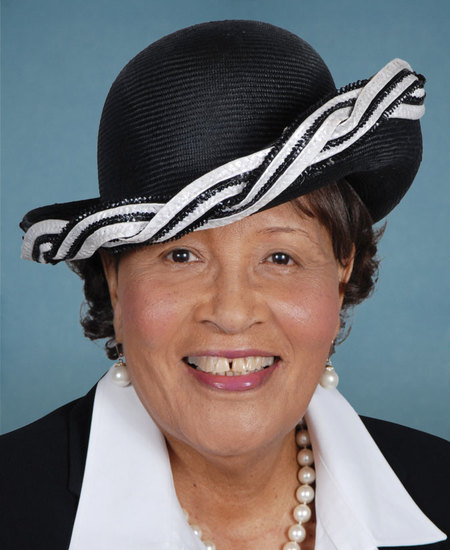
119th Congress Introduced by Alma Adams and 9 co-sponsors

The bill aims to transform USDA food purchasing to prioritize equity, resilience, worker welfare, environmental protections, and support for small and beginning producers.

Introduced in House
0
WeVote Research Nonpartisan
Bill Summary · HR 6706

Overview

  • Bill: H.R. 6706, 119th Congress, 1st Session
  • Title: Enabling Farmer, Food worker, Environmental, and Climate Targets through Innovative, Values-aligned, and Equitable Food Procurement Act (EFFECTIVE Food Procurement Act)
  • Purpose: Improve the Department of Agriculture’s (USDA) food purchasing to advance values such as equity, resilience, worker well-being, environmental protection, and animal welfare; expand opportunities for small and beginning producers; and pilot new procurement approaches.
  • Introduced: December 15, 2025, by Ms. Adams and a bipartisan group of co-sponsors

Key Provisions and Changes

  • Section 2 – Findings

    • Recognizes USDA as a major food purchaser with potential to drive a more just, healthy, and sustainable food system.
  • Section 3 – Definitions

    • Establishes terms for:
    • Beginning farmer, fisherman, or rancher
    • Covered authority (existing USDA purchasing authorities)
    • Covered entity (nonprofits or for-profits that source at least 51% from covered producers)
    • Covered producer (beginnings, veterans, socially disadvantaged, or small/medium farms)
    • Fishing business, Indian Tribe, Native peoples, nonprofit, policy to limit deforestation, etc.
    • Small/medium-sized farm or ranch (income thresholds or region-based criteria)
    • Socially disadvantaged farmer/fisherman/rancher
    • Tradeoff process (referencing federal procurement rules)
    • Certification program (independent audits exceeding standard requirements)
  • Section 4 – Fair Food Procurement

    • Purposes:
    • Strengthen domestic food system resilience
    • Create more opportunities for covered producers
    • Expand diverse, healthy options for school food authorities and food banks
    • Expand workplace protections in federal food supply chains
    • Requirements for covered procurement:
    • Include a sufficient variety of foods that:
      • Support equity and inclusion (from covered producers/entities; accommodate restricted diets)
      • Support diversified, resilient supply chains (coops, producer associations, food hubs working with covered producers)
      • Include foods from certified organic farms and farms in independent animal welfare programs
      • Support worker well-being (vendors with labor agreements or worker justice certification)
      • Mitigate climate impacts (low-GHG practices, deforestation policy, lower lifecycle emissions, environmental benefits like soil/water quality, biodiversity, etc.)
    • Baseline Reporting:
    • Within 1 year: produce a baseline showing share of USDA food spending by category, supplier details, and contract data
    • Estimate greenhouse gas emissions for purchased foods (with EPA input)
    • Set targets for 2032 to increase share by category and to reduce GHG emissions relative to 2024
    • Provide recommendations on supply chain transparency, regional/local procurement, and any needed legislative authority
    • Annual Reports:
    • Within 2 years of enactment and annually thereafter: report spending by category, supplier names, and estimated emissions for the prior year
  • Section 5 – Set-Aside for Covered Producers

    • Competitive procurement to favor contracts with covered producers/entities
    • Dedicated funding: at least $2,000,000 annually (FY 2026–2031) to implement this subsection
  • Section 6 – Best Value Procurement Pilot Program; Technical Assistance; Grants

    • Best Value Pilot Program:
    • Use a tradeoff (best-value) process to select bids for foods in the covered authorities
    • Develop evaluation criteria with input from covered producers, entities, diet considerations, tribes, workers, and program users
    • Ensure bids equal to at least 20% of annual USDA covered-authority spending
    • Annual progress reports to Congress on bid solicitations, spending, criteria, and vendor input
    • Termination of the pilot after 5 years from enactment
    • Technical Assistance:
    • Provide help to covered producers/entities to participate, including food safety training/certification
    • Grants:
    • Competitive grants to help eligible applicants (covered producers, cooperatives, and producer associations)
    • Grants up to $100,000 per recipient; term up to 3 years
    • Grants may cover: upgrading to obtain food safety certifications, paying certification/audits, purchasing liability insurance, and developing a food safety plan
    • Emphasis on geographic diversity
    • Recipients must report progress and, within grants’ terms, identify vendors
    • Authorization of Appropriations:
    • Section 6 authorizes $25,000,000 for FY 2026 (through FY 2031)

Who and What Is Affected

  • USDA and its purchasing programs (e.g., school nutrition, food banks, and other commodity procurement)
  • Covered producers and covered entities (nonprofits/for-profits that source at least 51% from covered producers)
  • Beginning, veteran, socially disadvantaged, and small/medium producers
  • Agricultural cooperatives, fishing cooperatives, and producer associations
  • Workers across the food system (farms, processing, warehousing, and transportation)
  • Indian Tribes and Native communities (via inclusive engagement in procurement processes)
  • Organizations pursuing organic certification or independent animal welfare certification
  • Vendors and suppliers participating in USDA procurement processes

Procedural and Timeline Aspects

  • Baseline reporting due within 1 year of enactment
  • Annual reporting on spend, suppliers, and emissions starting after the baseline
  • 2032 targets for share of spending and emissions reductions
  • Best Value Pilot Program to operate for up to 5 years
  • Grants program: grants up to 3 years; funding available FY 2026–2031
  • General appropriation for the act: initial authorization of $2,000,000 for ongoing baseline activities (Section 4 baseline and reporting) and $25,000,000 for grants and related activities (Section 6)

Potential Impacts

  • Shifts in USDA procurement toward more diverse, locally sourced, organic, and welfare-minded purchasing
  • Increased opportunities and market access for beginning, veteran, and socially disadvantaged producers
  • Enhanced transparency and traceability in supply chains (including deforestation and environmental metrics)
  • Potential changes in procurement processes (Best Value approach) and increased use of tradeoff-based contracting
  • Expanded support for worker well-being and labor standards in federally funded food programs
  • Budgetary impact includes dedicated funding for set-asides, pilot programs, technical assistance, and grants

Note: This summary reflects the bill as introduced and its stated provisions; actual effect would depend on enacted text, implementation rules, and potential amendments during the legislative process.

Compiled from official sources — confirm details with the bill’s official record.

Sign in to ask a question.