

WeVote

Bill

Bill

SB 1058

Education: other; virtual instruction days; allow. Amends 1976 PA 451 (MCL 380.1 - 380.1852) by adding sec. 1482.

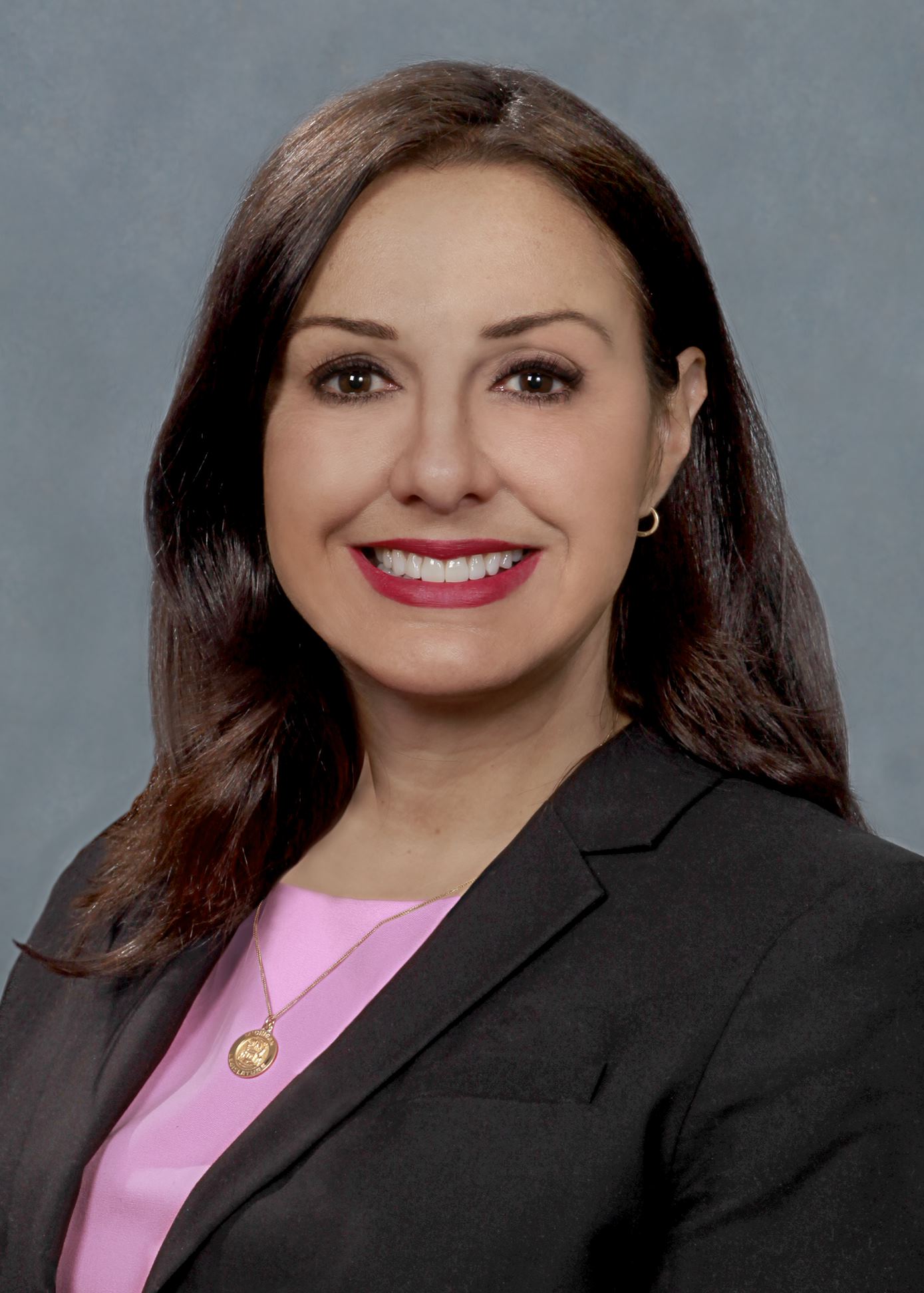
2025-2026 Regular Session Introduced by Dayna Polehanki

SB 1058 standardizes Michigan virtual instruction by requiring eligible students to enroll in virtual courses, with caps, provider rules, funding limits, and graduation credit requ

REFERRED TO COMMITTEE ON APPROPRIATIONS
0
WeVote Research Nonpartisan
Bill Summary · SB 1058

Summary of SB 1058 (2025-2026) – Michigan

Purpose and intent

SB 1058 proposes to amend the Revised School Code (1976 PA 451) to establish a formal framework for virtual instruction by requiring school districts and public school academies to enroll eligible students in virtual courses, with specific eligibility, enrollment limits, provider standards, and funding mechanisms. The goal is to standardize access to virtual coursework, ensure quality and oversight, and integrate virtual offerings into graduation requirements and state reporting.

Key provisions and changes

  • Mandatory eligibility-based enrollment in virtual courses

    • Districts/charter districts must enroll eligible pupils in virtual courses if the course is listed in the district’s catalog of board-approved courses or in the statewide catalog maintained by the Michigan Virtual University (MVU).
    • Publicly accessible link requirement to MVU’s statewide catalog on the district’s website.
    • Non-emancipated pupils under 18 generally may not enroll in a course meeting virtually for more than 6 days per year without parental consent.
  • Enrollment limits and exceptions

    • Generally up to 2 virtual courses per pupil per academic term (term, semester, or trimester).
    • Exception: a pupil may take more than 2 virtual courses if the district determines it is in the pupil’s best interest and the pupil agrees with the district’s recommendation.
  • Admissions and capacity rules for providers

    • If applications exceed a provider’s capacity, a random selection process must be used, compliant with antidiscrimination laws and court orders.
    • Districts that also act as providers may cap nonresident enrollments.
  • Enrollment denial grounds (subsection 5)

    • The bill lists multiple grounds to deny enrollment, including age (K-5 restrictions), prior credits earned, lack of creditability, misalignment with graduation/career goals, missing prerequisites or demonstrated proficiency, prior failed virtual coursework, quality concerns, cost in excess of a specified cap, timing and advance enrollment requirements, and term/date alignment.
  • Appeals process (subsection 6)

    • Denied pupils can appeal to the intermediate district superintendent, with a decision due within 5 days.
  • Provider obligations (subsection 7)

    • Virtual courses must be published in catalog(s); assign a teacher of record with a personnel ID; offer open-entry/open-exit or term-aligned formats.
    • For cross-district offerings, providers must share a MVU-formatted syllabus and annual enrollment data, including 60%+ course-points statistics.
  • Community colleges (subsection 8)

    • If a community college provides a virtual course, it must generate postsecondary credit.
  • Mentorship and coursework administration (subsections 9–12)

    • Districts must assign a mentor to each pupil and provide mentor contact details.
    • Completion of virtual courses yields academic credit toward graduation, with credit and course title clearly identified on the transcript.
  • Funding (subsection 10)

    • Virtual courses funded from the district’s foundation allowance per-pupil funds, with a cap: costs cannot exceed 6.67% of the district’s target foundation allowance for the current year.
  • Technology access and standards (subsection 11)

    • Pupil rights to technology access are preserved; the department must set standards for hardware, software, and internet access for students taking more than 2 virtual courses outside a school facility.
  • Credit and accountability (subsection 12–13)

    • Credits awarded for virtual course completion must count toward graduation requirements, and the student’s transcript must reflect the virtual course title.
    • Enrollment in virtual courses must not push a pupil beyond 1.0 FTE for state aid calculations, using existing membership standards.
  • Usage limits and district plans (subsection 14)

    • Virtual instruction may be provided for up to 6 days per year, with up to 3 testing days and up to 3 days due to conditions beyond the district’s control (e.g., weather, emergencies), subject to district plan approval and advance notice to families.
  • Rules and definitions (subsection 15–16)

    • The Department of Education to issue rules governing conditions and administration.
    • Key terms defined: instructor, mentor, provider, teacher of record, virtual course, and virtual course syllabus, with specific documentation and data requirements.

Who is affected

  • Public school districts and public school academies (charter schools) in Michigan.
  • Providers of virtual courses, including community colleges and MVU, and districts acting as providers.
  • Students (pupils) eligible for virtual coursework, particularly those seeking multiple virtual courses or remote instruction.
  • Parents/guardians, who may need to consent for extended virtual enrollment and participate in appeals.

Procedural and timeline aspects

  • Enrollment rules and provider processes operate on academic term structures (term/semester/trimester), with enrollment windows tied to district calendars.
  • Annual reporting to MVU by October 1 for cross-district virtual courses.
  • Appeals to intermediate district superintendents with a rapid decision timeline (within 5 days).

Note: This summary reflects the bill text as introduced and is intended to convey substantive provisions and potential impact.

Compiled from official sources — confirm details with the bill’s official record.

Sign in to ask a question.