

WeVote

Bill

Bill

SB 785

Education: meals; free school lunch and breakfast program; modify. Amends sec. 30d of 1979 PA 94 (MCL 388.1630d). TIE BAR WITH: SB 0784'26

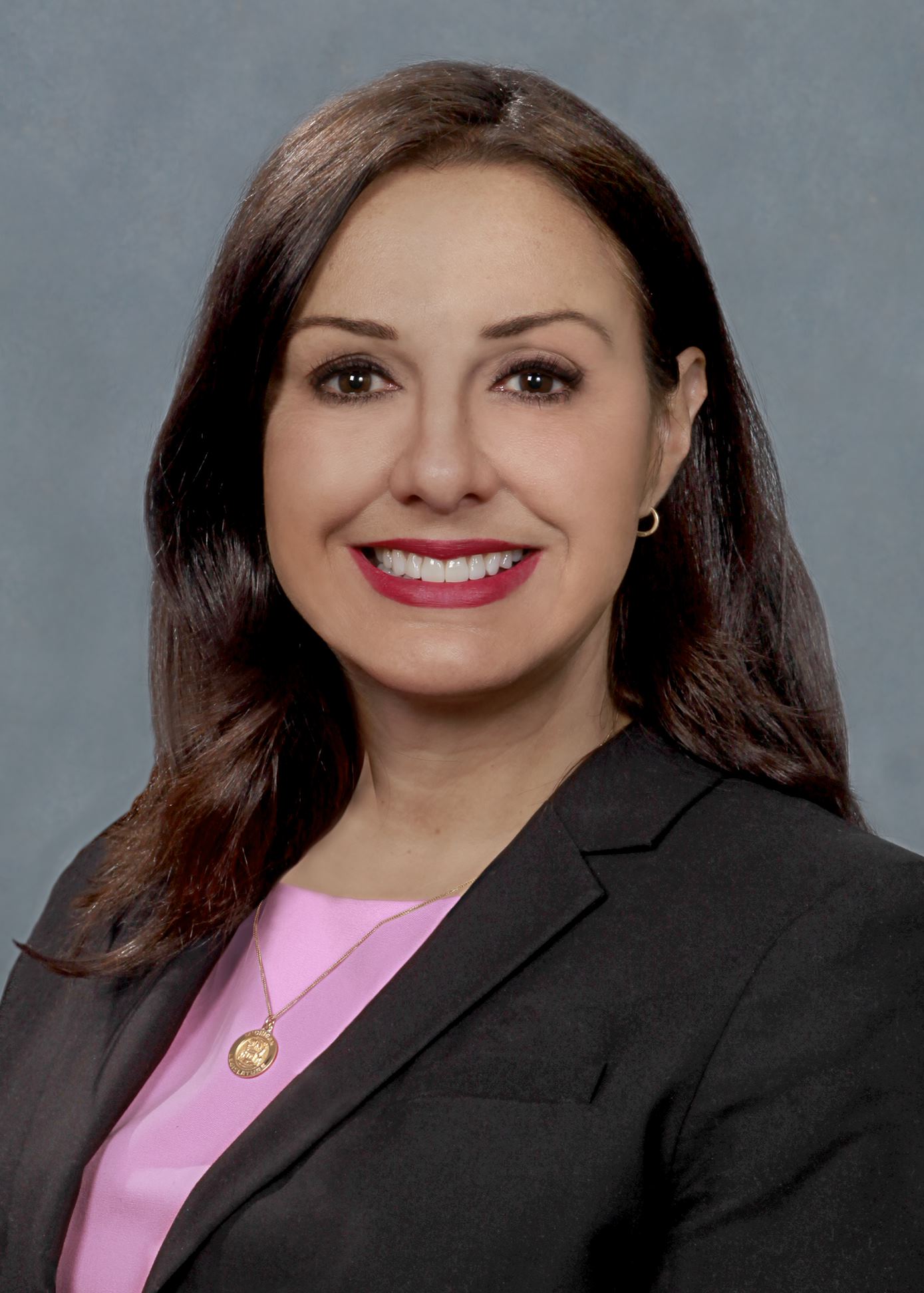
2025-2026 Regular Session Introduced by Dayna Polehanki

Michigan SB 785 codifies and expands free school meals, tying state funding to participation in federal programs and CEP optimization, including some disabled students up to age 26

REFERRED TO COMMITTEE OF THE WHOLE WITH SUBSTITUTE (S-1)
0
WeVote Research Nonpartisan
Bill Summary · SB 785

Overview

Senate Bill 785 (2025-2026) from Michigan would modify the state’s approach to funding and operating free school lunch and breakfast programs. It ties funding to participation in specific federal school meals programs and expands the scope to include certain older students with disabilities. The bill is tie-barred to Senate Bill 784, meaning SB 785 would take effect only if SB 784 is enacted.

Purpose and intent

  • Codify and expand the free school lunch and breakfast program as part of the State School Aid Act and Revised School Code.
  • Ensure participating entities receive state funding to provide free meals to eligible students.
  • Align state program requirements with federal program rules (notably the Community Eligibility Provision, CEP) and maximize federal reimbursements.
  • Expand program eligibility to include students up to age 26 who are in special education programs (including students at the Michigan School for the Deaf).
  • Require specific participation conditions for districts, nonpublic schools, and certain state-operated entities to receive funding.

Key provisions and changes

  • Funding (Section 30d of 1979 PA 94):
    • From the state school aid fund: up to $200,000,000 for 2025-2026.
    • From the general fund: up to $1,600,000 for 2025-2026 (one-time, for the 2025-26 period only) to reimburse participating entities for free meals for pre-K–12 (and per SB 785, to support expanded scope).
  • Participation requirements for funding (SB 785’s core condition):
    • The entity must participate in the National School Lunch Program and be enrolled in the free lunch and breakfast program under MCL 380.1271.
    • Provide reimbursable breakfasts and lunches at no cost to all students in the program.
    • Submit meal counts information as determined by the department.
    • Maximize federal reimbursement by operating under CEP if eligible (identified student percentage threshold).
    • Meet all applicable state and federal standards for breakfast and lunch programs.
    • Promote families’ income information collection to determine eligibility for federal free/reduced-price meals and CEP determinations.
    • Forgive all school meal debt related to reimbursable meals.
  • Program operation and flexibility:
    • Encourage meals that accommodate dietary restrictions (gluten-free, vegetarian, vegan, kosher, halal, allergy accommodations) with medical documentation as needed.
    • Encourage purchasing from Michigan growers when feasible.
  • Reimbursement structure (SB 785 provisions):
    • Payments to eligible entities would be calculated based on federal reimbursement rates per student, adjusted for:
    • Net federal revenue already received by the entity.
    • Other federal/state lunch payments for the relevant student groups (including Great Start Readiness Program participants where applicable).
    • CEP-based reimbursement is to be assigned rates according to federal rules (7 CFR 226.9) and adjusted annually for changes in national average payment rates.
  • CEP and eligibility:
    • CEP participation is mandatory for eligible entities to maximize federal funding, with entities electing CEP on behalf of a single school, a group of schools, or all schools in the entity, as applicable.
  • Temporary and contingency funding:
    • If allocated funds are insufficient, appropriations from the School Meals Reserve Fund (section 30e) can be used to fully fund reimbursements.
  • Definitions:
    • CEP: Community Eligibility Provision under the Richard B. Russell National School Lunch Act.
    • Participating entity: districts, intermediate districts, nonpublic schools, or the Michigan Schools for the Deaf/Blind as defined in section 1271 of the Revised School Code.

Who is affected

  • Public school districts and independent public school entities that participate in the National School Lunch Program and School Breakfast Program.
  • Nonpublic schools that elect to participate and meet the program requirements.
  • Michigan Schools for the Deaf and Blind and similar state-operated or contracted programs.
  • Students in pre-K through 12, and, under SB 784/785, students up to age 26 enrolled in special education (including those attending the Michigan School for the Deaf).
  • Families of students who rely on free or reduced-price meals (via CEP or other federal reimbursement mechanisms).
  • Local school meal program administrators and district finance offices responsible for meal counts, debt forgiveness, and CEP implementation.

Procedural and timeline aspects

  • Legislative action history:
    • Introduced February 11, 2026; referred to Senate Education.
    • Substituted version (S-1) progressed through the committee with favorable report and is set for a Committee of the Whole review (as of June 3, 2026).
  • Tie-bar: SB 785 is tied to SB 784; both must be enacted to enable SB 785’s provisions.
  • Effective date: Enacting section indicates SB 785 takes effect only if SB 784 is enacted, aligning both bills’ implementation.

Fiscal impact

  • Net fiscal impact: Claimed to be no net impact on state or local governments, as current funding levels ($200 million/year for meals from the School Aid Act) are maintained through codification.
  • Nonpublic schools: Current one-time General Fund/General Purpose funding (approximately $1.6 million) for nonpublic schools is codified but may require ongoing appropriations if participation expands. The substitute and analysis note potential higher costs if all nonpublic schools participate.
  • Contingency funding: If insufficient funds exist, reserves from the School Meals Reserve Fund can cover shortfalls.

Summary

SB 785 seeks to entrench and expand Michigan’s Free School Lunch and Breakfast Program, ensuring it is codified in law, expands eligibility to include certain older students with disabilities, and ties state funding to compliance with federal meal program rules and CEP optimization. It emphasizes debt forgiveness, dietary accommodations, and local efforts to maximize federal reimbursements, while preserving existing funding levels and providing a mechanism to address potential funding gaps via reserves. The accompanying SB 784 (S-1) outlines the detailed participation criteria for school entities.

Compiled from official sources — confirm details with the bill’s official record.

Sign in to ask a question.