

WeVote

Bill

Bill

SB 784

Education: meals; free school lunch and breakfast program; create. Amends 1976 PA 451 (MCL 380.1 - 380.1852) by adding sec. 1271. TIE BAR WITH: SB 0785'26

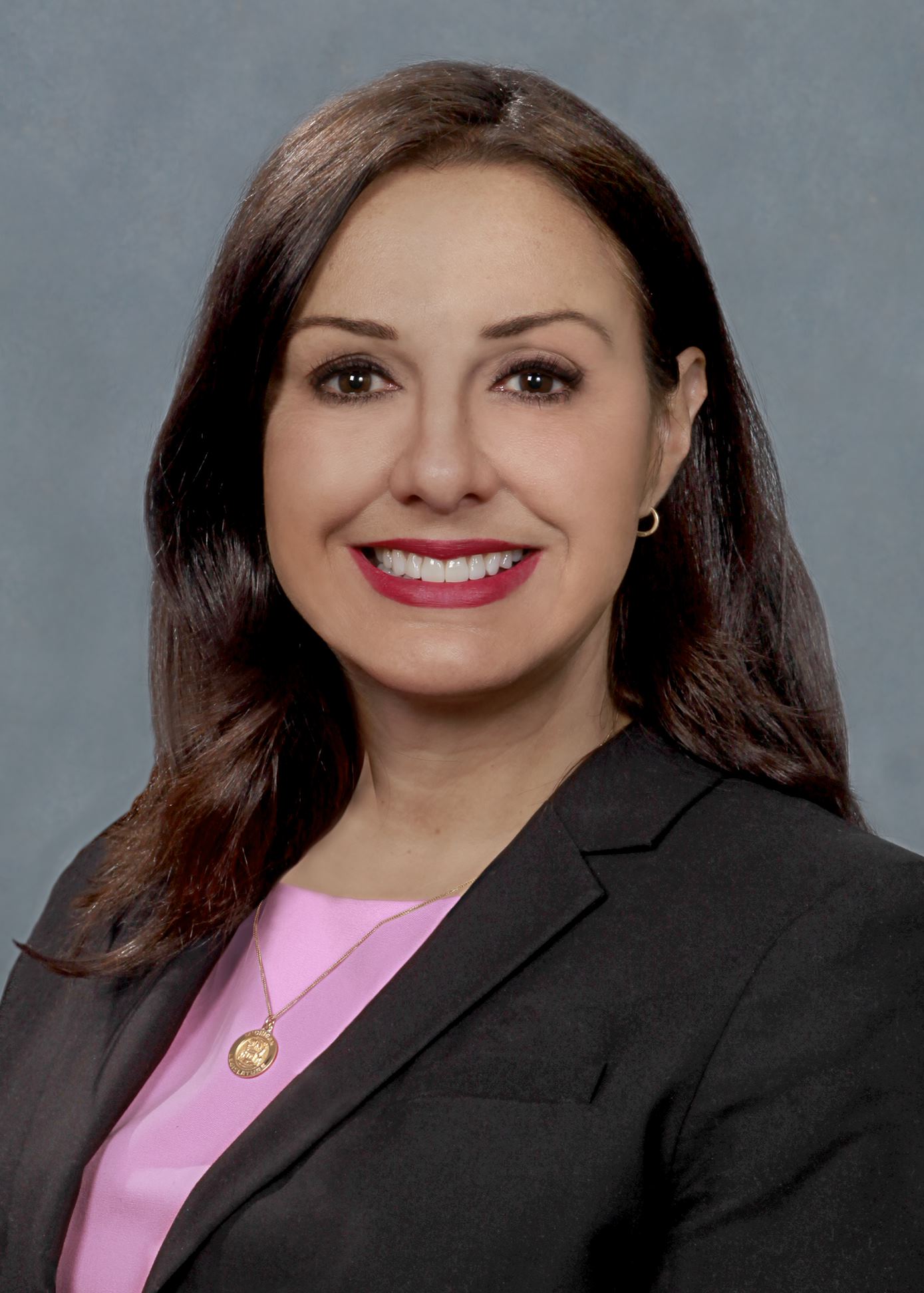
2025-2026 Regular Session Introduced by Dayna Polehanki

The bill would establish a state-wide Free School Lunch and Breakfast Program for public and nonpublic K–12 students, plus eligible special education students up to age 26, funded

REFERRED TO COMMITTEE OF THE WHOLE WITH SUBSTITUTE (S-1)
0
WeVote Research Nonpartisan
Bill Summary · SB 784

Summary of SB 784 (2025-2026) — Michigan

Main purpose and intent

  • Codify into law a Free School Lunch and Breakfast Program that provides free meals to students in public and nonpublic schools, covering grades pre-K through 12.
  • Expand eligibility to include students up to 26 years old who are enrolled in special education programs (including those at the Michigan School for the Deaf).
  • Set participation requirements for schools and establish program-wide funding and compliance expectations, with tied requirements to Senate Bill 785 (the funding mechanism under the State School Aid Act).

Key provisions and changes

  • Establishment and scope

    • The Michigan Department of Education (MDE) would establish and operate the program for:
    • Public school pupils in pre-K to 12.
    • Nonpublic school pupils in pre-K to 12 (under the current framework, expanded by this bill).
    • Pupils up to age 26 enrolled in special education programs (including the Michigan School for the Deaf).
  • Participation requirements for schools (participating entities)

    • Public and nonpublic schools (and the Michigan School for the Deaf) may enroll by applying to MDE.
    • MDE would approve enrollment if the entity:
    • Participates in the National School Lunch Program (NSLP) and School Breakfast Program (SBP).
    • Provides reimbursable breakfasts and lunches at no cost to all pupils in the operated programs.
    • Submits meal counts (reimbursable breakfasts and lunches) as required by MDE.
    • Maximizes federal reimbursement by operating under the Community Eligibility Provision (CEP) if eligible (i.e., has sufficient identified student percentage). CEP can be elected on behalf of a single school, a group of schools, or all schools in the entity to maximize reimbursement.
    • Meets all applicable federal and state standards for school meals.
    • Proactively encourages families to fill out income information to determine eligibility for free/reduced meals, CEP eligibility, and other educational benefits.
    • Forgives all school meal debt (per the department’s determination).
  • Accommodations and dietary considerations

    • In line with federal law, entities must offer meals to meet documented disabilities or medical needs.
    • Case-by-case accommodations allowed for disability-related restrictions.
    • Entities are encouraged to offer meals meeting religious or dietary preferences (e.g., vegetarian, kosher, halal) if they meet federal meal pattern requirements.
  • Definitions

    • CEP: Community Eligibility Provision under the Richard B. Russell National School Lunch Act (42 USC 1751–1769j).
    • Participating entity: A public school, nonpublic school, or the Michigan School for the Deaf.
  • Enacting condition

    • The act’s effect is contingent on the enactment of Senate Bill 785 (the tie-bar).

Affected parties

  • Students

    • Public and nonpublic school students in pre-K to 12.
    • Students up to age 26 in special education programs (including those at the Michigan School for the Deaf).
  • Schools and school districts

    • Public and nonpublic schools (and the Michigan School for the Deaf) that opt into the program.
  • State agencies

    • Michigan Department of Education would administer, approve enrollments, and monitor compliance.

Procedural and timeline aspects

  • Enrollment process

    • Schools must apply to MDE in a form and manner determined by MDE.
    • Approval requires meeting the listed criteria, including CEP participation where applicable.
  • Tie-bar

    • The bill’s effectiveness depends on Senate Bill 785 being enacted into law.
  • Fiscal note (as analyzed)

    • The program is estimated to have a $200 million annual cost for public schools, currently appropriated in the School Aid Act.
    • Funding for nonpublic schools is currently provided as a one-time or limited appropriation; codification would require ongoing appropriations if nonpublic participation expands.
    • Net fiscal impact is described as no net impact for the state or local governments under the baseline, but potential future GF/GP costs could rise if nonpublic participation expands significantly.

Notes on status

  • Substituted version (S-1) approved, with committee actions and tie-bar status indicating ongoing consideration.

If you’d like, I can provide a plain-language quick-read version or a side-by-side comparison with current law and the companion SB 785.

Compiled from official sources — confirm details with the bill’s official record.

Sign in to ask a question.