

WeVote

Bill

Bill

SB 1008

Economic Development - Small Business Guaranty Fund - Alterations

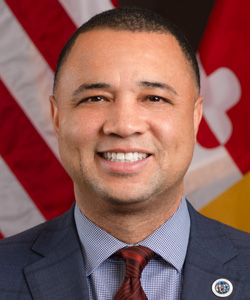
2025 Regular Session Introduced by Antonio Hayes

The bill broadens how small-business loan guarantees can be backed, allowing state-backed guarantees to use letters of credit or similar instruments to support lenders.

Approved by the Governor - Chapter 4
0
WeVote Research Nonpartisan
Bill Summary · SB 1008

SB 1008 — Economic Development: Small Business Guaranty Fund — Alterations

Status: Approved by the Governor (Chapter 4). Effective date: October 1, 2025.

Purpose / Intent

The bill modifies Maryland’s Small Business Guaranty Fund program (administered by the Maryland Small Business Development Financing Authority — MSBDFA) to broaden the forms by which a lender’s loan guarantee may be supported. The change is intended to increase flexibility for lenders and make it easier for small businesses that cannot obtain conventional financing to secure loans.

Key provisions

  • Statutory amendment: Art. — Economic Development, § 5‑540(a).
  • Guarantee scope and eligibility (existing rules retained):
    • MSBDFA may guarantee up to 80% of principal and interest on a long‑term loan.
    • Loan must be ≥ $5,000; maximum payable under a guaranty ≤ $2,000,000.
    • Eligible uses: working capital; refinancing existing debt; equipment acquisition/installation; necessary improvements to leased or owned real property; acquisition of real property used in the business (if lien is placed).
    • Loan maturity limited to 10 years; interest rate capped at (monthly weighted average prime rate in Baltimore City on unsecured commercial loans) + 2%.
    • Authority may only approve guaranties when the loan is determined to have a “substantial economic impact” (factors include guaranty amount, loan terms, job creation, etc.).
  • New flexibility in guaranty support (primary change):
    • A guaranty under §5‑540 may be:
    • Supported by the full faith and credit of the State of Maryland; or
    • Backed/approved in one of several forms, including:
      • An irrevocable letter of credit;
      • An official treasurer’s check;
      • Funds on deposit in an escrow or other depository account; or
      • Any other legal instrument promising restitution/reimbursement for a financial institution’s loan losses (within guaranty limits).
    • Terms/conditions governing these instruments may not be so onerous as to discourage the financial institution from offering the loan.

Who is affected

  • Primary beneficiaries: small businesses (including socially/economically disadvantaged businesses) that cannot otherwise obtain financing.
  • Financial institutions/lenders: gain more options and clarity on acceptable guaranty support, potentially increasing willingness to lend.
  • MSBDFA / Department of Commerce: program administration with modest additional administrative steps.
  • State government: potential contingent exposure if guarantees are supported by the State’s full faith and credit (i.e., possible—but anticipated minimal—fiscal risk).

Fiscal and operational impact

  • Department of Legislative Services and Commerce: Special fund expenditures for MSBDFA are likely not materially affected. The Long‑term Guaranty Program has had limited activity historically (no guarantees since FY2020).
  • Minor additional administrative costs may arise from handling new instrument types; Commerce currently maintains a reserve approach (about 5–10% of loan amount) when guarantees are used.
  • Revenues not affected.

Timeline / Procedural notes

  • Bill enacted as Chapter 4. Effective October 1, 2025.
  • Applies to guaranties authorized after the bill’s effective date per normal statutory implementation.

Compiled from official sources — confirm details with the bill’s official record.

Sign in to ask a question.