

WeVote

Bill

Bill

SB 129

Economic development: brownfield redevelopment authority; certain housing activities; allow, and modify tax capture revenues. Amends title & secs. 2, 8, 8a, 11, 13, 13b, 13c, 14, 14a, 15 & 16 of 1996 PA 381 (MCL 125.2652 et seq.).

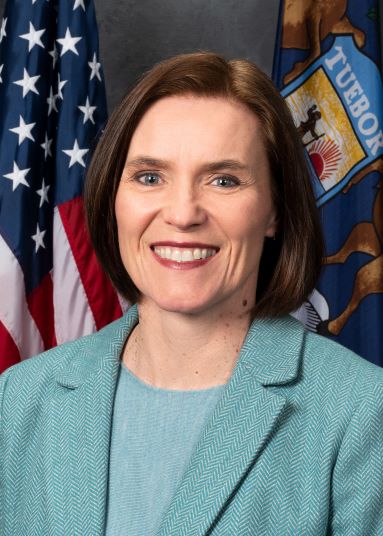
2023-2024 Regular Session Introduced by Winnie Brinks and 7 co-sponsors

Michigan expands brownfield redevelopment tax incentives to residential housing projects and reallocates captured tax revenues to fund environmental remediation and housing development on contaminated sites.

ASSIGNED PA 0090'23 WITH IMMEDIATE EFFECT
0
WeVote Research Nonpartisan
Bill Summary · SB 129

Legislative bill overview

SB 129 expands Michigan's brownfield redevelopment authority to include certain housing activities and modifies how tax capture revenues are allocated and used. The bill amends the 1996 Brownfield Redevelopment Financing Act to broaden eligibility for tax increment financing and environmental remediation incentives to residential projects on contaminated sites.

Why is this important

Brownfield redevelopment is a key tool for addressing environmental contamination while spurring economic growth in distressed areas. By explicitly including housing, this bill aims to increase affordable housing availability on remediated sites while incentivizing cleanup of polluted properties, potentially revitalizing neighborhoods and reducing urban sprawl.

Potential points of contention

  • Definition of "housing activities": The bill's specific criteria for which residential projects qualify may benefit certain developers while excluding others, raising fairness questions about access to tax incentives
  • Tax capture revenue reallocation: Changes to how captured tax revenues are distributed could shift funding away from existing beneficiaries (schools, local governments) toward housing projects, creating fiscal competition
  • Environmental standards: Expanding brownfield authority to housing without clearly specified remediation thresholds may raise concerns about whether cleanup meets adequate public health protections before residential occupancy

Compiled from official sources — confirm details with the bill’s official record.

Sign in to ask a question.