

WeVote

Bill

Bill

HR 6992

EB–5 Regional Center Program Advisory Committee Authorization Act

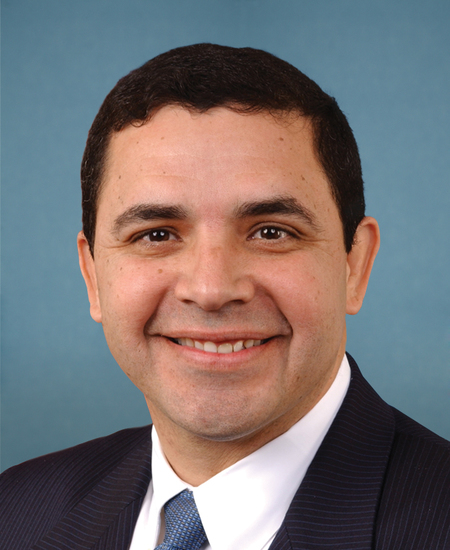
119th Congress Introduced by Henry Cuellar and 7 co-sponsors

Creates an advisory committee inside USCIS to oversee the EB-5 Regional Center Program, provide recommendations, and report publicly.

Introduced in House
0
WeVote Research Nonpartisan
Bill Summary · HR 6992

Summary of H.R. 6992 (119th Congress) – EB–5 Regional Center Program Advisory Committee Authorization Act

Note: This summary covers the bill as introduced Jan 9, 2026. It establishes a new advisory committee within USCIS to provide oversight and recommendations on the EB–5 Regional Center Program.

1) Main purpose and intent

  • Create an EB–5 Regional Center Program Advisory Committee within U.S. Citizenship and Immigration Services (USCIS), a component of the Department of Homeland Security (DHS).
  • The committee aims to advise USCIS on the EB–5 Regional Center Program, develop improvements, and provide structured input on policy, administration, impact, and related issues.
  • The Advisory Committee would be terminated after adjudication of all EB–5 benefits filings under specified provisions or any other public law implementing the EB–5 Regional Center Program.

2) Key provisions and changes

  • Establishment

    • Adds a new Section 463 to Subtitle E of Title IV of the Homeland Security Act of 2002.
    • Creates an EB–5 Regional Center Program Advisory Committee within USCIS.
    • The committee terminates once all EB–5 petitions filed under the program are adjudicated.
  • Duties and responsibilities

    • Advise, consult with, report to, and make recommendations to the USCIS Director on the EB–5 Regional Center Program.
    • Develop recommendations for improvements to USCIS processes related to EB–5.
    • Subcommittee recommendations require majority approval by the full Advisory Committee before submission of the annual report to the Director.
    • Prohibits petition- or case-specific recommendations to the program under sections 203(b)(5) and 216A of the Immigration and Nationality Act.
  • Reporting and disclosure

    • Annual reports detailing activities, findings, and recommendations for the preceding fiscal year.
    • A public version of the annual report to be published within six months of DHS/Director receiving the annual report.
  • Legislative alignment

    • Section 107 of the EB–5 Reform and Integrity Act of 2022 must not be violated or contradicted.
  • Membership and representation

    • Appointment within 180 days of enactment.
    • Up to 35 members representing federal, state, local, and tribal governments, and EB–5 regional centers in good standing.
    • Diversity of representation, with geographic and project-type diversity.
    • Regional center members must represent centers that have sponsored at least two EB–5 projects in the same regional center category.
    • Representation categories include:
    • Regional centers from defined geographic regions (High-Unemployment Area, Rural, Infrastructure, Census Regions Northeast/South/Midwest/West).
    • Local government/economic development representation (mayors of various urban/rural classifications, county economic development officers, state economic development officers).
    • Ex officio/agency representation (Department of State, Department of Commerce).
    • Trade associations representing EB–5 centers.
    • Other relevant fields as identified by the Director.
    • At least two and no more than three members from any single category.
    • Each member’s organization designates a representative; appointment subject to DHS approval.
    • Term length: two-year terms, with the possibility to continue serving until a successor is appointed.
    • Maximum appointment: up to six consecutive terms eligible for reappointment.
    • No compensation for Advisory Committee service (except standard federal employee compensation where applicable).
  • Meetings and openness

    • The Director must require at least quarterly meetings; additional meetings possible.
    • At least one meeting must be open to the public.
    • Attendance records must be kept.
  • Chair and subcommittees

    • The Committee selects a chairperson for a four-year term from among its members.
    • Subcommittees may be established to address specific EB–5 issues (Administration, Impact, Policy, and other relevant topics).
    • Subcommittees meet at least quarterly and at least once in person annually; submit information for the annual report.
    • Subcommittee chairs are selected by the Advisory Committee chair, in coordination with the Director.
    • Subject-matter experts may be appointed to subcommittees.
  • Meetings and reporting cadence

    • Quarterly briefings to Congress (Judiciary and Appropriations Committees) on Advisory Committee activities, beginning after enactment.

3) Who or what would be affected

  • EB–5 Regional Center Program stakeholders:
    • EB–5 regional centers (organizations seeking to attract investments for job-creating projects).
    • Governments at federal, state, local, and tribal levels involved with EB–5 projects.
    • Investors and project sponsors indirectly through enhanced program oversight and recommendations.
  • USCIS and DHS:
    • Establishment of an internal advisory body, potential changes to program administration, processing times, fraud prevention, and securities compliance considerations informed by committee input.

4) Procedural and timeline aspects

  • Effective timing:
    • Appointment of committee members within 180 days after enactment.
  • Term and rotation:
    • Two-year terms for members, with potential up to six consecutive terms.
  • Public transparency:
    • At least one public meeting; public version of annual report within six months after DHS/Director receives the year’s report.
  • Oversight and reporting:
    • Quarterly congressional briefings on committee activities post-enactment.
    • Annual reporting to DHS/Director and publication for public accessibility.

Overall, H.R. 6992 creates a formal, multi-stakeholder advisory body to guide and scrutinize the EB–5 Regional Center Program, with structured governance, reporting, and public accountability provisions.

Compiled from official sources — confirm details with the bill’s official record.

Sign in to ask a question.