

WeVote

Bill

Bill

HR 10057

Early Childhood Educator Professional Improvement Act of 2026

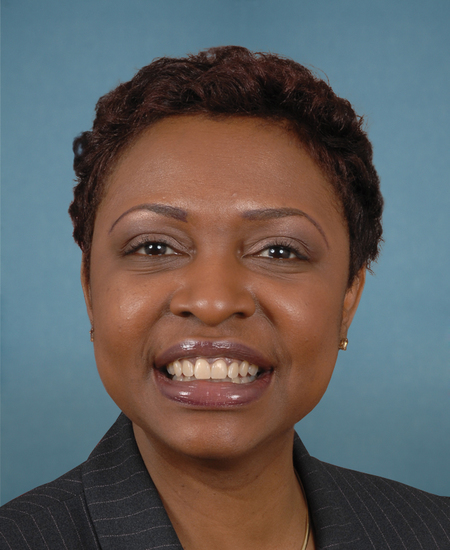
119th Congress Introduced by Yvette Clarke and 4 co-sponsors

The bill authorizes multi-year federal grants to states to overhaul early childhood educator education, credentials, and pay, tied to degree progress and professional development.

Introduced in House
0
WeVote Research Nonpartisan
Bill Summary · HR 10057

Purpose and Intent

  • The Early Childhood Educator Professional Improvement Act of 2026 aims to authorize the Secretary of Health and Human Services (HHS), in coordination with the Secretary of Education, to award grants to states. The goal is to improve the knowledge, credentials, compensation, and professional development of early childhood educators working in early childhood education programs.

Key Provisions and Changes

  • Program Authorization and Duration

    • Grants are available to states to implement and administer the activities described in the act.
    • Each grant is for a 5-year period, with annual funding contingent on appropriations and continued grant compliance.
    • States may apply for renewal after the 5-year period if they meet requirements and show satisfactory outcomes.
  • Applications and State Planning

    • States must submit an application describing their comprehensive early childhood professional development system, including:
    • Collaboration with a designated state advisory council on early childhood education and care, state childcare agency, Head Start, state educational agencies, institutions of higher education, and professional organizations.
    • Identification of a state agency to administer the grant program.
    • Details on how the system provides:
      • Oversight structure
      • Standards and competencies for early childhood educators
      • A career and wage lattice
      • Coordination with higher education and articulation agreements
      • Accessible higher education for working students, including rural access
      • Support for dual language learners and low-income or minority communities
      • Culturally and linguistically appropriate training
      • Use of workforce data to assess needs
    • Financing plan for sustaining the system over time
  • Use of Funds (State Use of Funds)

    • Scholarships to cover tuition, fees, materials, transportation, paid substitutes, and release time to pursue a bachelor’s degree in early childhood education or a related field.
    • Support for current early childhood educators with bachelor’s degrees in other fields to obtain credentials, licensure, or endorsements in early childhood education.
    • Increased compensation for educators enrolled in degree progress related to early childhood education, with parity of pay upon degree completion and retention.
    • Ongoing professional development for educators and teacher assistants addressing:
    • Child development and learning across cognitive, social, emotional, and physical domains
    • Teacher–child interactions
    • Family engagement
    • Cultural competence for diverse children and families, including those with special needs and dual language learners
  • Supplement, Not Supplant; Maintenance of Effort

    • Grant funds must supplement, not replace, existing federal, state, and local funds for educator preparation and development.
    • States must maintain fiscal effort for related activities at a level at least equal to the prior year.
  • Authorization of Appropriations

    • The bill would authorize necessary appropriations for fiscal years 2027 through 2032 to carry out its provisions.

Who/What Would Be Affected

  • Targeted Population: Early childhood educators working in early childhood education programs.
  • State Agencies: States would designate an administering agency to manage the grants and oversee the professional development system.
  • Institutions and Organizations: Collaboration with state and higher education institutions, Head Start programs, and professional organizations serving early childhood educators.
  • Institutions of Higher Education: Encouraged to offer accessible coursework, articulation agreements, and recognition of prior learning and credentials to advance educator credentials.

Procedural and Timeline Aspects

  • Introduction and Referral: Bill introduced August 6, 2026; referred to the House Committee on Education and Workforce.
  • Grant Timeline: 5-year initial grant periods with potential renewal contingent on performance and compliance.
  • Long-Term Funding: Authorization for appropriations through 2032, subject to annual appropriations.
  • Implementation Responsibilities: States must submit comprehensive applications detailing development, governance, and funding plans; ongoing reporting and compliance with the defined program requirements.

Summary

The bill seeks to invest federal grants in state-level, comprehensive reform of the early childhood educator ecosystem. It emphasizes improved education and credentials, higher compensation correlated with degree progress, expansive professional development, and culturally competent practices. The framework requires state collaboration across Head Start, higher education, childcare agencies, and professional organizations, with safeguards to supplement, not supplant existing funding and to maintain prior levels of state investment.

Compiled from official sources — confirm details with the bill’s official record.

Sign in to ask a question.