

WeVote

Bill

Bill

HR 8964

DONOR Milk Act

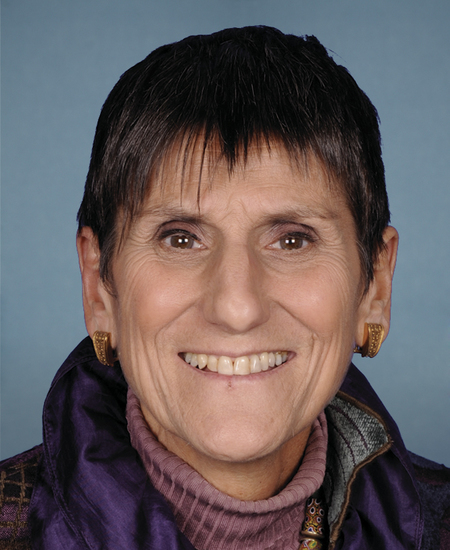
119th Congress Introduced by Rosa DeLauro and 6 co-sponsors

The bill improves safety and oversight of pasteurized donor human milk by requiring annual inspections of facilities and funding grants to upgrade compliance and labeling.

Introduced in House
0
WeVote Research Nonpartisan
Bill Summary · HR 8964

DONOR Milk Act (HR 8964, 119th Congress)

Purpose and intent

  • The bill seeks to improve the safety and regulation of pasteurized donor human milk. It establishes new definitions, regulatory requirements, oversight mechanisms, and financial assistance aimed at ensuring donor milk is safely produced, processed, and distributed.

Key provisions and changes

  • Definition and terminology

    • Adds a formal definition to the Federal Food, Drug, and Cosmetic Act (FD&C Act) clarifying what “pasteurized donor human milk” means:
    • Milk expressed by a mother and donated for use by a recipient other than her own infant.
    • Milk that has been collected, pasteurized, and dispensed without additives.
  • Food establishment classification clarification

    • Reforms food establishmentregulation by clarifying that certain facilities that manufacture, process, pack, or hold critical foods may not be considered nonprofit food establishments for the purposes of food prepared or served directly to consumers. This affects how donor milk facilities are categorized under food regulation and oversight.
  • Annual inspections of donor milk facilities

    • Requires the Secretary (of the U.S. Department of Health and Human Services/FDA, per the FD&C Act structure) to conduct annual inspections of facilities that manufacture, process, pack, or hold pasteurized donor human milk.
    • Inspections may be unannounced and must follow a risk-based approach to ensure compliance with food safety and labeling requirements.
  • Compliance grants for donor milk manufacturers

    • Establishes a new grant program to assist nonprofit entities that manufacture, process, pack, or hold pasteurized donor milk and are registered under the relevant FD&C Act provision.
    • Grants can be used to upgrade equipment, obtain certifications, or contract third-party food safety and quality consultations.
  • Funding authorization

    • Authorizes $8 million in appropriations for the grant program, available until expended.

Who is affected

  • Donor milk manufacturers and related facilities: Entities that process and supply pasteurized donor human milk would be subject to annual inspections and eligible for compliance grants.
  • Regulatory agencies: Federal regulators (primarily the FDA) would implement definitions, inspection regimes, and oversight mechanisms.
  • Nonprofit donor milk organizations: Eligible to receive grants to meet the new safety and compliance standards.
  • Consumers/recipients of donor milk: Potentially safer donor milk products due to standardized safety inspections and improved labeling and processing standards.

Procedural and timeline aspects

  • The act was introduced May 21, 2026, and referred to the House Committee on Energy and Commerce.
  • Key timing: annual inspections begin not later than one year after enactment.
  • Grants are funded through an authorization of $8 million, with expenditures to be governed by the grant program terms.

Overall impact

HR 8964 aims to fortify the safety, labeling, and regulatory oversight of pasteurized donor human milk, ensure regular on-site verification of facilities, and provide financial support to help milk producers meet higher standards. The measure balances enhanced public health protections with targeted funding to support compliant operations.

Compiled from official sources — confirm details with the bill’s official record.

Sign in to ask a question.