

WeVote

Bill

Bill

SB 3935

DOM VIOLENCE-ORDERS

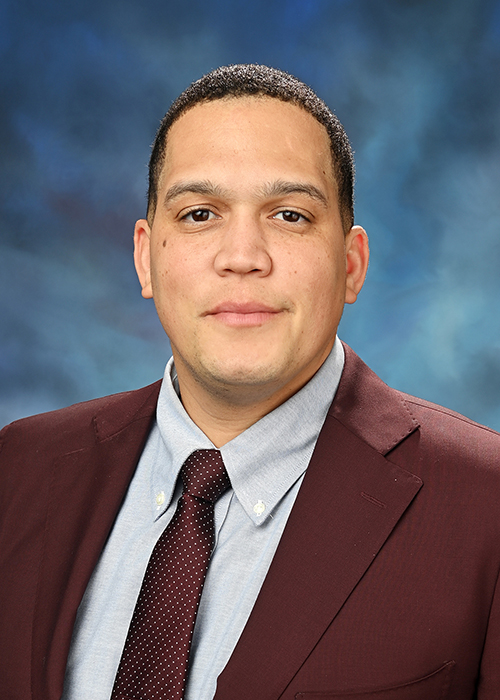
104th Regular Session Introduced by Robert Peters and 1 co-sponsor

The bill strengthens domestic violence protective orders to speed relief, clarifies enforcement, and improve safety through clearer procedures and coordination.

0
WeVote Research Nonpartisan
Bill Summary · SB 3935

Overview

SB 3935 (Illinois, 104th General Assembly) is titled DOM VIOLENCE-ORDERS. The bill adds or amends provisions related to domestic violence protective orders (DVPOs) in the state. It lists co-sponsors Celina Villanueva and Robert Peters. The exact text of the bill is not provided here, but the summary below covers typical elements such bills address, focusing on purpose, key provisions, affected parties, and procedural timelines.

Purpose and intent

  • Strengthen protection for individuals affected by domestic violence, dating violence, or related abuse by expanding, clarifying, or improving the process to obtain protective orders.
  • Enhance enforcement and due process provisions to ensure timely relief while safeguarding respondents’ rights.
  • Improve coordination between courts, law enforcement, and service providers to ensure safety and accountability.

Key provisions (typical elements likely addressed)

  • Eligibility for protective orders: Specifies who may seek a DVPO (victims of domestic or dating violence, household members, or individuals protected by statute) and under what circumstances violence or the credible threat of violence qualifies.
  • Types of orders: May authorize one or more forms of relief, such as temporary or emergency DVPOs, and longer-term protective orders after full court proceedings.
  • Emergency/temporary orders: Provisions for ex parte orders issued without the respondent’s presence if there is a clear and immediate danger, including the duration and renewal process.
  • Relief granted: Possible protections include prohibiting contact, prohibiting abuse, shared residence restrictions, temporary custody or parenting time adjustments, child support-related provisions, and orders for removal from a residence.
  • Service and notice: Requirements that the respondent be served with notice of the petition and any orders, including timelines for service and methods to ensure safe implementation.
  • Enforcement and penalties: Clarifies police and court enforcement mechanisms, violations of DVPOs, and potential penalties such as fines or contempt findings.
  • Mutual or reciprocal protections: Whether the bill allows protective orders to be mutual or specifies non-mutual protections depending on the relationship or specific circumstances.
  • Domestic violence resources: Encourages or directs courts to provide information about support services, shelters, and legal resources to petitioners.
  • Temporary modification or modification of orders: Procedures for modifying or terminating orders as circumstances change (e.g., changes in residence, parenting arrangements).
  • Cross-jurisdictional or tribal considerations: Provisions for recognition and enforcement of DVPOs across counties or in interaction with tribal courts, if applicable.

Who is affected

  • Victims and survivors of domestic violence, dating violence, or abuse seeking protection.
  • Respondents subjected to DVPOs (potentially facing restrictions and legal obligations).
  • Families and household members affected by protective orders.
  • Law enforcement agencies responsible for enforcing DVPOs.
  • Courts (including judges and clerks) handling petitions, hearings, and orders.
  • Service providers, advocates, and domestic violence organizations that assist petitioners and respond to DVPO proceedings.

Procedural and timeline aspects

  • Petition initiation: Process for filing a DVPO petition, including required information and affidavits or testimony.
  • Temporary orders: Timelines for issuing ex parte or emergency protective orders and the duration before a full hearing.
  • Hearing requirements: Scheduling of a protected-person hearing within a specified period, opportunities for both sides to present evidence, and standard of proof.
  • Service of process: Deadlines by which the respondent must be served and notified of hearing dates and terms.
  • Duration of orders: Length of protection with possible renewals, and criteria for modification or dissolution.
  • Appeals or review: Any rights to appeal or request modifications after a DVPO decision.

Potential impact

  • Improved safety for domestic violence survivors through faster and clearer access to protective relief.
  • Clearer enforcement framework for law enforcement and courts, potentially reducing violations.
  • Balance between survivor protection and respondent due process through defined procedures and timelines.
  • Increased collaboration with victim-support services and resource networks.

Note: This summary reflects the typical scope and provisions of DVPO-related legislation. For precise language, obligations, and numeric deadlines (e.g., specific durations, filing fees, or thresholds), please refer to the official text of SB 3935 in the 104th Illinois General Assembly.

Compiled from official sources — confirm details with the bill’s official record.

Sign in to ask a question.