

WeVote

Bill

Bill

S 5210

Display America's Art Act

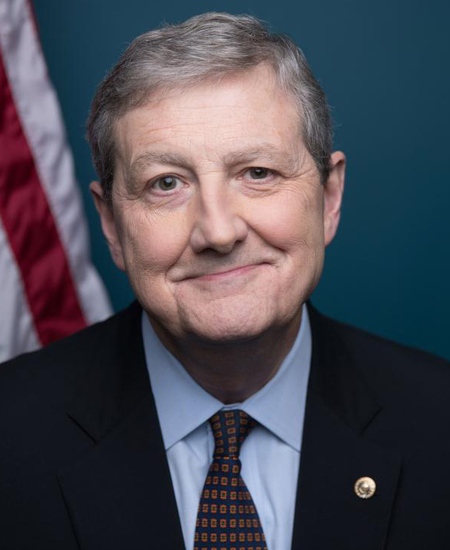
119th Congress Introduced by John Neely Kennedy

The act creates a Congressional Art Loan Program to display stored artworks from eligible institutions in Members’ offices.

Introduced in Senate
0
WeVote Research Nonpartisan
Bill Summary · S 5210

Summary of Bill: Display America’s Art Act (S. 5210, 119th Congress)

Purpose

The Display America’s Art Act would establish a program to loan works of art owned by eligible institutions to Members of Congress for display in their personal and leadership offices. The goal is to make art that is currently in storage accessible to members of Congress for display, rather than keeping it off public view.

Key Provisions

  • Short Title: The act may be cited as the “Display America’s Art Act.”

  • Definitions:

    • Eligible Institution: Any institution that owns visual art collections and receives annual federal appropriations. This explicitly includes the Smithsonian Institution and its associated museums and galleries (e.g., National Gallery of Art, National Portrait Gallery).
    • Member: A Member of Congress (as defined in section 13101 of title 5, U.S. Code).
  • Establishment and Administration of the Program:

    • The Architect of the Capitol, in consultation with eligible institutions, must establish and administer a Congressional Art Loan Program.
    • Under the program, art owned by an eligible institution that is not currently on public display can be loaned for display in the personal and leadership offices of Members of Congress.
    • Determination of eligibility and appropriateness for display is made by both the Architect of the Capitol and the eligible institution. They must agree that the artwork is available and suitable for display under this section.

Who is Affected

  • Eligible Institutions: Museums and other art-collecting institutions that receive federal funding (as defined), with the Smithsonian and its affiliates explicitly named as examples.
  • Members of Congress: Those who would display the loaned artworks in their personal or leadership offices.
  • Architect of the Capitol: Responsible for implementing and administering the loan program in coordination with eligible institutions.

Procedural and Timeline Considerations

  • The bill directs the creation of a program but does not specify funding, duration, selection quotas, or detailed timelines beyond the need for consultation between the Architect of the Capitol and eligible institutions.
  • The process hinges on mutual agreement between:
    • The Architect of the Capitol
    • The eligible institution (owner of the artwork)
  • There are no explicit prohibitions or penalties outlined; rather, participation is voluntary and contingent on the institutions’ and Architect’s determination of availability and suitability for display.

Potential Impacts

  • Public Display of Stored Art: Increases visibility of art that is normally in storage by temporarily placing it in high-visibility Congressional offices.
  • Cultural and Educational Value: Could enhance exposure to national art collections and provide members with diverse works to inspire or background for constituent engagement.
  • Logistical Considerations: Requires coordination for security, insurance, conservation, climate control, and display standards in offices, as well as ensuring works are rotated or returned if needed.

Notes

  • The bill as introduced is primarily a framework establishing the authority and procedural pathway for loans. Many operational details (funding, loan duration, rotation schedules, transportation, insurance, and visibility guidelines) would be expected to be addressed in implementing regulations and within the letter of the loan agreements between institutions and the Architect of the Capitol.

Compiled from official sources — confirm details with the bill’s official record.

Sign in to ask a question.