

WeVote

Bill

Bill

SF 5292

Disbursement modification of workforce development funds

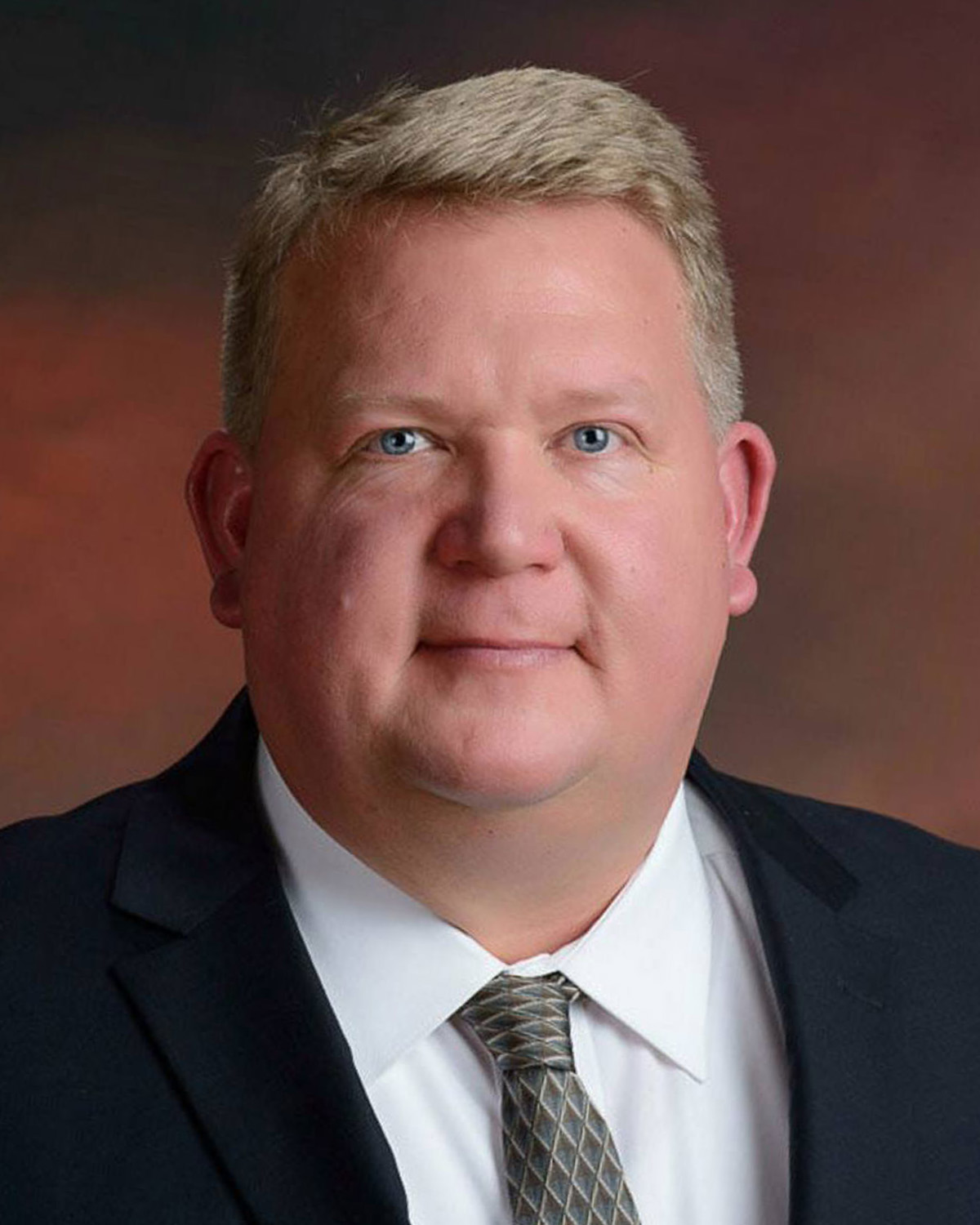
2025-2026 Regular Session Introduced by Rich Draheim

SF 5292 aims to change how workforce development funds are disbursed, including who qualifies, how grants are allocated, and the timing to improve efficiency and accountability.

Referred to Jobs and Economic Development
0
WeVote Research Nonpartisan
Bill Summary · SF 5292

Overview

SF 5292 (2025-2026, Minnesota) proposes modifications to how disbursements of workforce development funds are handled. The bill has been introduced and referred to the Jobs and Economic Development committee, with Rich Draheim listed as a co-sponsor.

Purpose and intent

  • The core aim is to modify the disbursement process for workforce development funds.
  • It seeks to adjust who can receive funds, how funds are allocated, and the timing or conditions under which disbursements occur, with a focus on improving efficiency, accountability, and alignment with workforce development priorities.

Key provisions and changes (as described or implied)

Note: The specific text of the bill is not provided here. The summary below reflects typical elements such bills address and what “disbursement modification” commonly entails. If enacted, the bill may include:

  • Allocation mechanics: Revisions to the formulas or criteria used to distribute workforce development funds to programs, training providers, or regional workforce boards.
  • Eligibility and funding cycles: Changes to who qualifies for funding, minimum/maximum grant amounts, match requirements, or the cadence of disbursements (e.g., quarterly vs. lump-sum).
  • Accountability and reporting: Requirements for reporting outcomes, performance metrics, or audit provisions tied to disbursed funds.
  • Oversight and administration: Clarifications of which state agencies or intermediary entities administer the disbursement process, including any new reporting lines or coordination steps.
  • Flexibility and use of funds: Provisions outlining acceptable uses of disbursed funds, potential cross-program transfers, or budgetary flexibility in response to labor market needs.
  • Sunset or renewal: Any time-limited provisions or scheduled review of the disbursement framework.

Potential impact

  • Direct stakeholders: workforce development boards, training providers, community colleges, state agencies (e.g., labor, education), and employers participating in funded programs.
  • Outcomes focus: Improved alignment of funds with regional labor market needs, enhanced accountability for program outcomes (e.g., credentials earned, employment rates), and potentially faster or more predictable disbursement for grantees.
  • Administrative effects: Possible changes in reporting burden, oversight responsibilities, and inter-agency coordination.

Procedural and timeline aspects

  • Introduction and first reading occurred on May 14, 2026.
  • The bill was referred to the Jobs and Economic Development committee for consideration.
  • No further action dates are provided in the current record; subsequent steps would typically include committee hearings, potential amendments, floor debate, and a vote before progressing to the next chamber.

Sponsors

  • Co-sponsor: Rich Draheim

Notes for readers

  • The summary reflects anticipated content based on the bill’s title and common provisions in disbursement-modification legislation. For precise language, allocations, and affected programs, consult the official bill text and fiscal notes once available.
  • If you represent a workforce program, provider, or local workforce development board, monitor committee materials for specific changes to disbursement schedules, eligibility criteria, and reporting requirements.

Compiled from official sources — confirm details with the bill’s official record.

Sign in to ask a question.