

WeVote

Bill

Bill

HR 9809

Disabled Access Credit Modernization Act

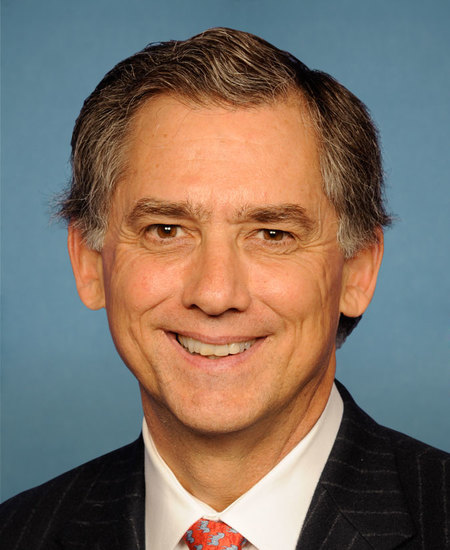
119th Congress Introduced by French Hill and 1 co-sponsor

The bill broadens the Disabled Access Credit to cover a wider range of accessibility expenditures for small businesses, clarifying reasonable accommodations and boosting outreach a

Introduced in House
0
WeVote Research Nonpartisan
Bill Summary · HR 9809

Overview

HR 9809, the Disabled Access Credit Modernization Act, introduced July 21, 2026, seeks to modify the existing Disabled Access Credit under the Internal Revenue Code to broaden eligible expenditures and clarify related definitions. The bill aims to enhance incentives for small businesses to invest in accessibility improvements for individuals with disabilities, while preserving the general purpose of the credit.

Main Purpose and Intent

  • Modernize and expand the permissible uses of the Disabled Access Credit.
  • Remove restrictions tied to ADA compliance by allowing broader, but still reasonable, accommodations.
  • Improve clarity around what constitutes a “reasonable accommodation” and associated expenses.
  • Improve outreach and evaluate effectiveness of the credit program for eligible small businesses.

Key Provisions and Changes

  • Expenditures eligible for the credit (44(c)(1)) are expanded to include:
    • Removing architectural, communication, physical, or transportation barriers that affect accessibility.
    • Providing qualified interpreters and other effective methods for making aurally delivered materials accessible to individuals with hearing impairments.
    • Providing qualified readers, taped texts, and other methods for visually impaired individuals.
    • Acquiring or modifying equipment or devices for individuals with disabilities.
    • Providing other similar services, modifications, materials, equipment, or reasonable accommodations.
  • The reasonableness/necessity standard for expenditures (44(c)(3)) is clarified to not be grounds for disallowing expenses merely because:
    • They exceed ADA minimum requirements, or
    • The taxpayer is not subject to such requirements.
  • Definitions updated: The term “reasonable accommodation” is added to align with the definitions of “disability.”
  • Technical amendments to the Code are made to reflect the renumbering and terminology changes introduced in the bill.
  • Effective date: The amendments apply to amounts paid or incurred after December 31, 2026.
  • Regulatory guidance: Treasury, in consultation with EEOC, must issue regulations or guidance within 12 months to implement the amendments.
  • Public outreach and reporting:
    • Treasury, with SBA and the National Council on Disability, must implement outreach to inform eligible small businesses and the ADA Network about the credit within 12 months.
    • A Treasury report to Congress is due within 24 months detailing the effectiveness of outreach and recommendations for improvement, plus any other pertinent information.

Who Is Affected

  • Eligible small businesses (as defined in the credit’s section 44(b)) can claim the expanded credit.
  • Individuals with disabilities may benefit from greater access and accommodations funded by the credit.
  • Employers and their accounting/tax staff who apply the credit will need to consider the broader list of eligible expenditures.
  • Regulatory and oversight bodies (Treasury, EEOC, SBA, National Council on Disability) will implement guidance and monitor effectiveness.

Procedural and Timeline Aspects

  • Effective date for new credit rules: for amounts paid or incurred after December 31, 2026.
  • Regulation/guidance: Treasury to issue necessary regulations within 12 months of enactment.
  • Public outreach: Programs to inform eligible small businesses within 12 months.
  • Reporting to Congress: A comprehensive effectiveness and improvement report due within 24 months.

Overall, the bill broadens and clarifies the Disabled Access Credit to encourage more comprehensive accessibility investments by small businesses, while establishing guidance, outreach, and evaluation mechanisms to support implementation.

Compiled from official sources — confirm details with the bill’s official record.

Sign in to ask a question.