

WeVote

Bill

Bill

A 707

Directs the division of criminal justice services to promulgate safety standards and training requirements for the protection of law enforcement against biological hazards posed by certain persons in custody

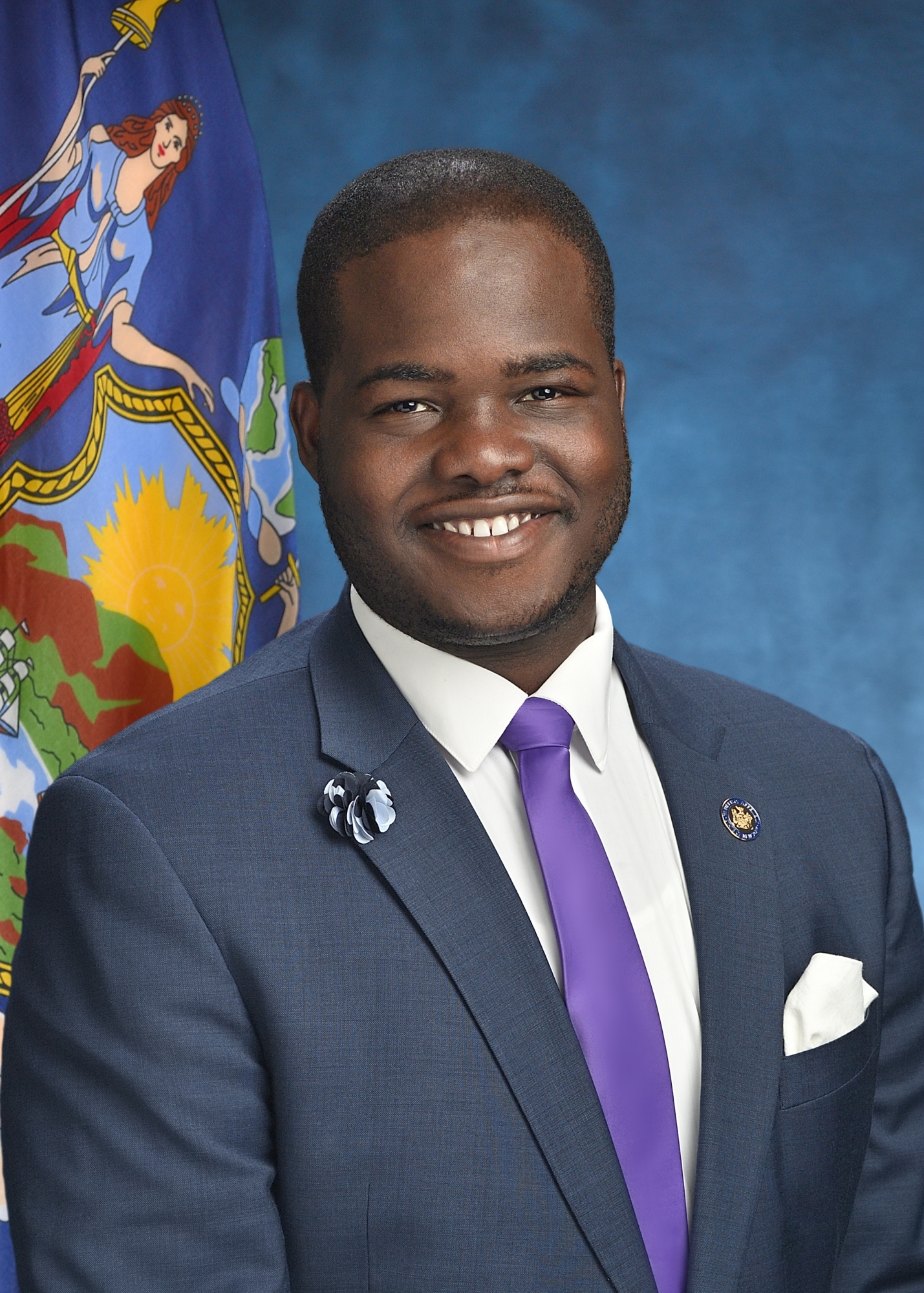
2025 Regular Session Introduced by Khaleel Anderson and 13 co-sponsors

A 707 requires DCJS to establish safety standards and training to protect law enforcement from biological hazards posed by persons in custody.

ORDERED TO THIRD READING RULES CAL.284
0
WeVote Research Nonpartisan
Bill Summary · A 707

Summary: Assembly Bill A 707

Overview and Purpose

A 707 directs the New York Division of Criminal Justice Services (DCJS) to promulgate safety standards and training requirements aimed at protecting law enforcement personnel from biological hazards associated with certain persons in custody. The bill focuses on establishing formal rules and education to reduce risk to officers in encounters with inmates, detainees, or other individuals in custody.

Key Provisions

  • Directs DCJS to promulgate safety standards related to protecting law enforcement personnel from biological hazards posed by persons in custody.
  • Requires DCJS to establish training requirements for law enforcement personnel to implement and comply with these safety standards.
  • The standards and training are to be issued through the DCJS rulemaking process (i.e., promulgation of regulations).

Note: The bill text itself is not provided here, so the specific contents of the standards and training (e.g., topics, frequency, PPE requirements, vaccination or prophylaxis considerations, decontamination procedures, incident reporting) are not specified in this summary. The expectation is that DCJS would determine these details during rulemaking.

Affected Parties and Impact

  • Primary: Law enforcement agencies (police departments, sheriff’s offices) and corrections/detention facilities within New York, along with individual peace officers and custody staff.
  • Secondary: DCJS as the rulemaking and oversight agency; training academies and professional development providers responsible for delivering mandated training.
  • Potential impacts include standardized protective protocols, enhanced training on biological hazards, and uniform practices across agencies to reduce officer exposure risks.

Legislative History and Status

  • Introduced: January 8, 2025
  • Current status: Ordered to third reading in Rules (CAL.284); subsequent actions dated May 28–29, 2025 show referrals to Rules, and multiple “REPORTED” actions, indicating movement through the committee and floor procedures.
  • Related status: The bill was referred to Codes on January 8, 2025, and has extensive sponsor support.

Sponsors and Related Legislation

  • Primary Sponsor: Sarah Clark
  • Cosponsors include: Marcela Mitaynes, Jo Anne Simon, Chantel Jackson, Demond Meeks, Rebecca Seawright, Emily Gallagher, Phara Souffrant Forrest, Phil Steck, Harry B. Bronson, Steven Raga, Khaleel Anderson, Stefani Zinerman, Anna Kelles (with Sarah Clark as primary).
  • Related bills: A 4566 and A 1492 (prior sessions)
  • Companion bills: S 7521 (companion in the Senate)

Next Steps and Timeline

  • If advanced, A 707 would proceed to third reading and, assuming passage, move to the Governor for approval or veto.
  • The exact regulatory timelines (how quickly DCJS must issue standards and training) will be defined during rulemaking after enactment.

This summary presents the bill’s core objective and its potential impact on law enforcement safety practices, based on the current language and legislative actions available.

Compiled from official sources — confirm details with the bill’s official record.

Sign in to ask a question.