

Bill
Sponsor avatar

BILL • US HOUSE

HCONRES 100

Directing the President, pursuant to section 5(c) of the War Powers Resolution, to remove United States Armed Forces from hostilities with Iran.

119th Congress
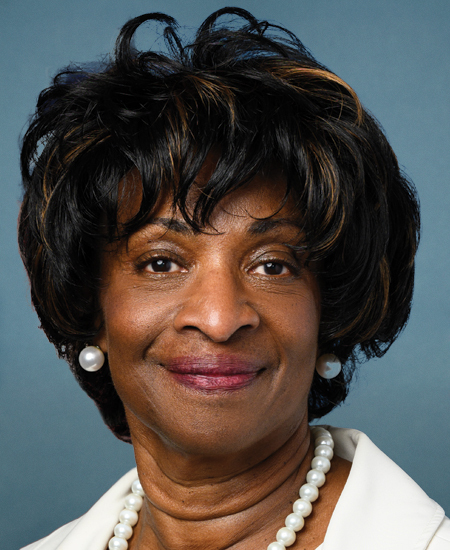
Introduced by Valerie Foushee,

Directs the President to withdraw US Armed Forces from hostilities with Iran, ending combat roles unless Congress authorizes war or specific AUMF.

Submitted in House
0
0
Bill Summary · HCONRES 100

Overview

  • Bill: HCONRES 100 (119th Congress, 2nd Session)
  • Title: Directing the President, pursuant to section 5(c) of the War Powers Resolution, to remove United States Armed Forces from hostilities with Iran.
  • Type: Concurrent resolution.
  • Sponsor: Representative Valerie Foushee (co-sponsored by Rep. Foushee).
  • Status: Referred to the House Committee on Foreign Affairs (May 13, 2026).

Purpose and Intent

  • The resolution directs the President to terminate the use of the United States Armed Forces in hostilities against Iran or any part of its government or military. This includes a prohibition on ongoing combat roles that would amount to occupation unless explicitly authorized by a declaration of war or a specific authorization for use of military force (AUMF) against Iran.
  • It invokes section 5(c) of the War Powers Resolution to require withdrawal of U.S. forces engaged in hostilities with Iran.

Key Provisions

  • Termination of Use of Force (Section 1)
    • Directs the President to remove U.S. Armed Forces from hostilities against Iran and to cease any combat role or occupation in Iran, unless Congress authorized war or a specific AUMF.
  • Rule of Construction (Section 1)
    • Clarifies that the resolution:
    • Does not bar U.S. self-defense or defense of its forces, diplomatic facilities, or allies from imminent attack.
    • Does not prevent maintaining a troop presence in the region for defensive purposes.
    • Does not require the removal of troops not engaged in hostilities.
  • Rule of Construction Relating to Intelligence Sharing (Section 2)
    • States that nothing in the resolution should disrupt intelligence activities (collection, analysis, and sharing with coalition partners) related to Iran or neighboring countries, when done in coordination with the U.S. government, if deemed appropriate for national security.
  • Rule of Construction Relating to Nonauthorization of the Use of Military Force (Section 3)
    • Affirms that the resolution is not an authorization for the use of military force.

Who/What is Affected

  • U.S. Armed Forces currently engaged in hostilities with Iran would be subject to withdrawal or redefinition of their mission to non-combat roles.
  • The President would be required to remove forces from active hostilities unless there is a Congress-approved war declaration or AUMF against Iran.
  • U.S. intelligence and allied coalition intelligence-sharing activities related to Iran remain permissible, subject to national security considerations.
  • U.S. military personnel, policymakers, and related defense operations in the region could be affected by a mandated shift away from combat operations in Iran.

Procedural and Timeline Aspects

  • Legislative vehicle: Concurrent resolution, which does not itself become law but expresses the sense of the Congress.
  • Action history indicates referral to the House Committee on Foreign Affairs.
  • No explicit sunset or transition timeline is included in the text provided; the measure directs action in line with the War Powers Resolution but does not itself authorize a formal withdrawal schedule beyond the directive to remove from hostilities.

Potential Impact and Considerations

  • If enacted, the resolution would require the Executive Branch to halt ongoing hostilities in Iran and to pursue withdrawal of combat forces, subject to any future Congressional authorization for force.
  • It reinforces Congress’s War Powers interact with executive military operations, highlighting a push for greater congressional oversight and potential constraint on the President’s use of military force without explicit authorization.
  • The bill preserves defensive capabilities and intelligence activities, ensuring U.S. and allied security interests are considered while limiting offensive combat operations in Iran.

Hi! I'm your AI assistant for HCONRES 100. I can help you understand its provisions, impacts, and answer any questions.

Key Provisions Impacts Timeline
Sign in to chat

Start the Conversation

Be the first to share your thoughts on this petition. Your voice matters!

Share your opinion above