

WeVote

Bill

Bill

HB 4860

Direct Classroom Funding Act

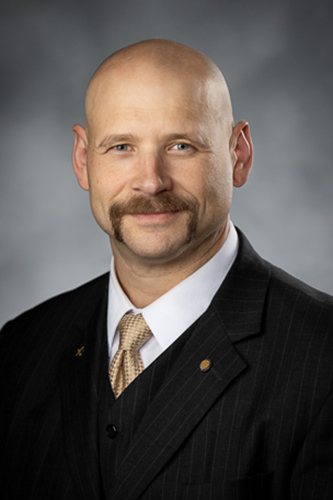
2026 Regular Session Introduced by Corby Dillon

Direct Classroom Funding Act aims to send funds straight to classroom- or school-level budgets to improve transparency and direct support for instruction.

To House Education
0
WeVote Research Nonpartisan
Bill Summary · HB 4860

Summary of HB 4860 (2026) – Direct Classroom Funding Act (West Virginia)

Purpose and intent

  • The bill is titled the Direct Classroom Funding Act. Its stated aim is to restructure or redirect funding directly to classrooms, with the intent of ensuring more immediate and transparent flow of educational funds to instructional spaces and personnel.

Key provisions and changes (as introduced)

  • Direct Funding Mechanism: Establishes a framework to distribute funds straight to school-level entities responsible for classrooms (e.g., individual schools or designated classroom budgets) rather than routing through intermediate or district-level administration. The exact mechanics (percentage allocation, formulas, or ratios) are not specified in the summary provided, but the bill centers on direct-to-classroom disbursement.
  • Allocation Formulas: Likely to specify how funds are calculated per student, per classroom, or per school, potentially incorporating factors such as student enrollment, special education needs, English learners, or other demographic/performance considerations. The precise formula is not detailed here.
  • Transparency and Accountability: Expected provisions to track and report on how funds are spent at the classroom level and to ensure compliance with the direct funding approach.
  • Oversight and Administration: May designate a state or local administrative body responsible for implementing the direct funding program, including timelines, reporting requirements, and audit provisions.
  • Interaction with Existing Programs: The bill may define how this direct-funding approach interacts with current state education budget lines, grants, categorical funding, or district-level allocations. Specifics are not provided in the summary.
  • Effective Date and Phase-In: The legislation in many such acts includes a timeline for implementation (e.g., upon funding approval, with phased roll-out). The exact dates or phase-in schedule are not specified in the provided summary.

Who is affected

  • Primary Beneficiaries: Classrooms and students, as funds would be directed to classroom-level budgets or school-level units overseeing classrooms.
  • Schools and Districts: Local education agencies (LEAs) would implement the direct funding mechanism, adjust budgeting practices, and monitor compliance.
  • Administrators and Staff: School-level administrators and teachers may participate in budget execution, reporting, and accountability processes linked to the direct funding model.
  • State Education Entities: The state Department of Education or a designated financial oversight agency would oversee implementation, reporting, and auditing requirements.

Procedural and timeline considerations

  • Status: Filed for introduction on January 28, 2026, with initial committee referrals to Education and then Finance, and introduction in the House.
  • Sponsorship: Co-sponsored by Corby Dillon, indicating bipartisan or cross-committee interest (depending on chamber dynamics not specified here).
  • Next Steps: Requires committee deliberation, potential amendments, floor consideration, and passage by both chambers (as applicable in West Virginia) followed by any required gubernatorial action.

Notes for readers

  • The summary above reflects the information available in the bill description and action history provided. Specifics such as the exact funding formulas, dollar amounts, eligible expenditures, exemption criteria, and implementation timeline are not detailed in the summary. For a complete understanding, referring to the bill’s full text and any fiscal notes or committee amendments will be essential.

Compiled from official sources — confirm details with the bill’s official record.

Sign in to ask a question.