

WeVote

Bill

Bill

SB 3961

DIGNITY FOR ABORTED CHILDREN

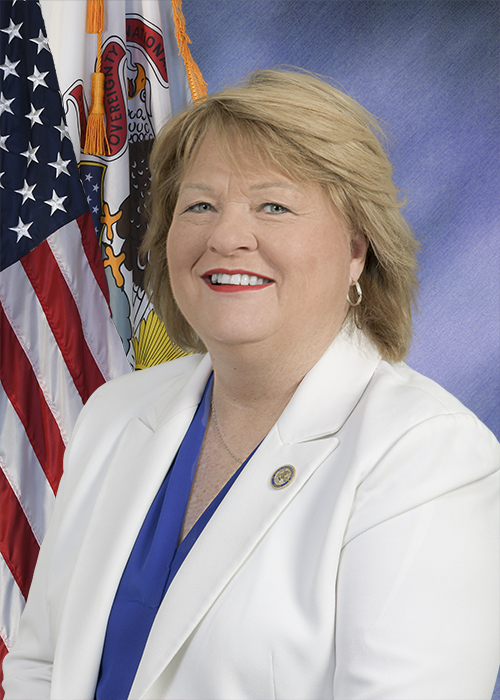
104th Regular Session Introduced by Terri Bryant and 1 co-sponsor

The bill aims to ensure dignified handling and disposition of aborted fetal remains by facilities, requiring respectful treatment and established procedures.

Added as Co-Sponsor Sen. Jason Plummer
0
WeVote Research Nonpartisan
Bill Summary · SB 3961

Summary of SB 3961 (Illinois, 104th Session) – “DIGNITY FOR ABORTED CHILDREN”

Purpose and intent

  • The bill is titled DIGNITY FOR ABORTED CHILDREN. While the full text is not provided here, the title indicates a focus on ensuring dignity and respectful treatment related to aborted fetal remains. The sponsor information shows co-sponsorship by Sen. Terri Bryant and Sen. Jason Plummer, with formal filing and assignment in February 2026.

Key provisions and changes (as implied by title and typical scope)

  • Although the exact statutory language is not included in the provided details, bills with similar titles commonly address:
    • Requirements for the disposition or handling of fetal remains after an abortion, including procedures for respectful treatment, storage, cremation or burial options, and standardized protocols.
    • Possible establishment of guidelines for facilities or providers regarding how aborted remains are stored, disposed of, or processed after pregnancy termination.
    • Provisions related to hospice, medical examiner involvement, or reporting related to remains in certain circumstances.
    • Creation or designation of enforcement mechanisms, penalties, or compliance timelines for licensed facilities.
  • Given the title, the measure likely aims to ensure “dignity” by mandating respectful disposition, possibly clarifying that aborted remains should not be discarded as medical waste and should be handled in a manner consistent with other human remains.

Affected parties and scope

  • Primary: Medical facilities, clinics, hospitals, and others performing abortions or handling fetal remains.
  • Personnel: Healthcare providers, pathologists, and facility administrators responsible for post-abortion waste management and remains disposition.
  • Potentially affected: State medical licensing boards, health departments, and oversight agencies responsible for enforcement and compliance.

Procedural and timeline aspects

  • Action history indicates:
    • February 6, 2026: Filed with Secretary by Sen. Terri Bryant; first reading and referred to Assignments.
    • February 13, 2026: Co-sponsor addition by Sen. Jason Plummer.
  • As a newly filed bill in the 104th session, it would typically follow standard Illinois legislative steps: assigned to committee(s), hearings, potential amendments, and floor votes in both chambers before moving to the governor for signature or veto. Specific committee referrals and deadlines would be detailed in the bill’s official text and the legislative calendar.

Potential impacts and considerations

  • Policy impact: Sets standards for the handling and disposition of aborted fetal remains, affecting patient privacy considerations, facility protocols, and compliance obligations.
  • Operational impact: Requires facilities to implement or update procedures, record-keeping, and possibly partner with burial or cremation services.
  • Ethical and public health dimensions: Balances respect for fetal remains with practical considerations for clinical workflows; may influence debates surrounding abortion policies and related healthcare practices.
  • Enforcement: Likely includes penalties or corrective actions for non-compliance, though exact enforcement mechanisms depend on the bill’s text.

Note: The summary above is based on the bill’s title, sponsor actions, and typical content of similarly titled legislation. The precise provisions, definitions, exceptions, and penalties will be detailed in the full bill text and any amendments adopted during committee review. For a complete understanding, review the official bill language, fiscal impact statement, and committee analyses once available.

Compiled from official sources — confirm details with the bill’s official record.

Sign in to ask a question.