Summary — H.R. 1495: Digital Economy Cybersecurity Advisory Act of 2025
Status: Introduced in House
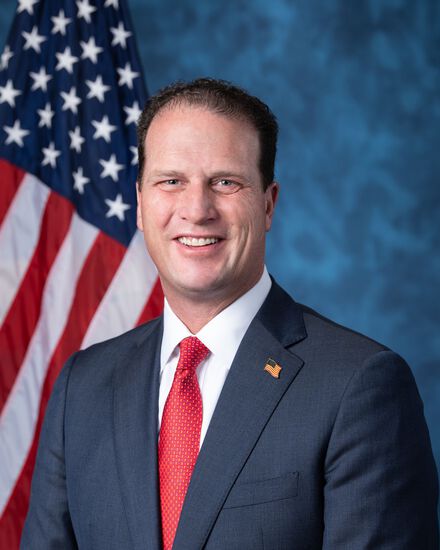
Sponsor: Rep. August Pfluger (primary)
Introduced: May 31, 2025 (see Procedural Notes below)
Note: The official bill text for H.R. 1495 was not provided. The summary below states the apparent purpose based on the bill’s title and available procedural information, identifies likely or common elements of legislation with this title, and calls out where the absence of text prevents definitive description.
Purpose and intent
Based on its title, H.R. 1495 — the "Digital Economy Cybersecurity Advisory Act of 2025" — is intended to strengthen cybersecurity for the digital economy by creating an advisory mechanism to examine threats, recommend best practices, and improve coordination among government, industry, and other stakeholders. The broad aim would be to reduce cyber risk to digital services, commerce platforms, and critical digital infrastructure that underpin commerce and economic activity.
Likely key provisions (text not available)
Because the bill text was not provided, the following describe typical provisions found in similarly titled proposals and what this bill would likely include:
- Establish an advisory council, task force, or commission focused on cybersecurity risks to the digital economy (membership drawn from federal agencies, private sector, academia, and civil society).
- Define the council’s duties: assess threat landscape, develop voluntary cybersecurity best practices, recommend regulatory or legislative changes, and promote information sharing.
- Require periodic reports to Congress and the President, including findings and actionable recommendations.
- Direct coordination between the advisory body and agencies such as CISA, FTC, Commerce, and DOJ to align public-private efforts.
- Address priority topics: supply chain security, vulnerability disclosure, incident response, protection for small/medium enterprises, cloud and platform security, and consumer data protection.
- Provide for stakeholder engagement (public workshops, requests for comment).
- Potentially authorize (but not necessarily fund) activities or studies; specific funding, penalties, or mandates would depend on the bill text.
Who would be affected
- Federal agencies involved in cybersecurity and commerce (coordination burden and information flows).
- Private-sector digital platforms, cloud providers, ISPs, and businesses that participate in advisory processes or adopt recommended practices.
- State, local, and tribal governments interacting with federal guidance.
- Consumers and small businesses may benefit from improved cybersecurity guidance, though direct regulatory impacts depend on the bill’s specifics.
Procedural timeline and notes
Legislative actions recorded:
- 2025-02-21: Referred to House Committee on Energy and Commerce; Introduced in House (record shows this date).
- 2025-05-31: Filed; 3-hour notice for consideration.
- 2025-05-31: Introduced in House (also listed).
- 2025-06-01: Laid before the House; Record vote; Adopted; Statements of vote recorded; Reported enrolled.
Important: The available actions include some date inconsistencies (e.g., introduction/referred dates and an “Adopted”/“Reported enrolled” entry), and the actual bill text is not attached. For authoritative details (specific duties, membership, timelines, funding, or mandates), consult the Congressional Record, the official bill text on Congress.gov, or the bill sponsor’s office.
Implications
If enacted in substantive form as suggested by the title, H.R. 1495 could formalize public-private advisory coordination on cyber risk to the digital economy, produce policy recommendations to Congress, and help harmonize best practices — without necessarily imposing new regulatory requirements unless the bill includes mandatory elements or funding provisions (which are not specified here).