

WeVote

Bill

Bill

HR 1108

Diagnostics Testing Preparedness Plan Act of 2025

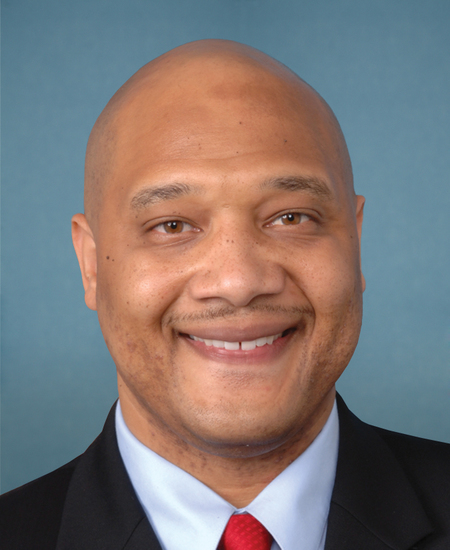
119th Congress Introduced by André Carson and 3 co-sponsors

HR 1108 enhances U.S. public health readiness by establishing a national diagnostics testing plan, improving test access, and ensuring timely responses during health emergencies.

Introduced in House
0
WeVote Research Nonpartisan
Bill Summary · HR 1108

Summary of HR 1108: Diagnostics Testing Preparedness Plan Act of 2025

Overview

The Diagnostics Testing Preparedness Plan Act of 2025 (HR 1108) aims to enhance the United States' readiness for public health emergencies through improved diagnostics testing capabilities. The bill seeks to establish a comprehensive framework for the development, distribution, and utilization of diagnostic tests during health crises.

Main Purpose and Intent

The primary intent of HR 1108 is to ensure that the nation is better prepared for future public health emergencies, such as pandemics or outbreaks of infectious diseases. By focusing on diagnostics testing, the bill aims to facilitate timely and accurate identification of health threats, thereby improving response efforts and outcomes.

Key Provisions

While the full text of the bill is not provided, the following key provisions are anticipated based on the bill's title and legislative intent:

  • Establishment of a Preparedness Plan: The bill would require the Department of Health and Human Services (HHS) to develop a national diagnostics testing preparedness plan that outlines strategies for rapid test development and deployment.

  • Funding and Resources: It may allocate federal funding to support research and development of diagnostic tests, particularly for emerging infectious diseases.

  • Collaboration with Stakeholders: The bill is likely to promote collaboration among federal agencies, state health departments, and private sector entities to streamline testing processes and ensure effective distribution of tests.

  • Regulatory Framework: HR 1108 may propose a regulatory framework to expedite the approval of diagnostic tests during emergencies, ensuring that they meet safety and efficacy standards.

Who Would Be Affected

The following groups would be directly impacted by the provisions of HR 1108:

  • Public Health Agencies: Federal and state health departments would gain new guidelines and resources for managing diagnostics during health emergencies.

  • Healthcare Providers: Hospitals and clinics would benefit from improved access to diagnostic tests, enabling faster patient care and treatment decisions.

  • Diagnostic Test Manufacturers: Companies involved in the production of diagnostic tests would be affected by new regulations and potential funding opportunities.

  • General Public: Citizens would experience improved health outcomes through timely diagnosis and treatment during public health emergencies.

Legislative Process and Timeline

  • Introduced: February 07, 2025
  • Current Status: The bill has been introduced in the House and referred to the House Committee on Energy and Commerce for further consideration.

Sponsors

HR 1108 is sponsored by:
- Mariannette Miller-Meeks (Primary Sponsor)
- Dan Crenshaw (Cosponsor)
- Kim Schrier (Cosponsor)
- André Carson (Cosponsor)

Related Bills

HR 1108 has companion bills in the Senate and House:
- HR 1768 (House Companion)
- S 891 (Senate Companion)

This summary provides a clear understanding of HR 1108, its objectives, and its potential impact on public health preparedness in the United States.

Compiled from official sources — confirm details with the bill’s official record.

Sign in to ask a question.