

WeVote

Bill

Bill

SB 3427

DHS-DSP WAGE&CILA RATE INCREAS

104th Regular Session Introduced by Li Arellano and 4 co-sponsors

The bill would raise wages for DHS/DSP workers and increase care service rates, funded through the state budget to improve compensation and service continuity.

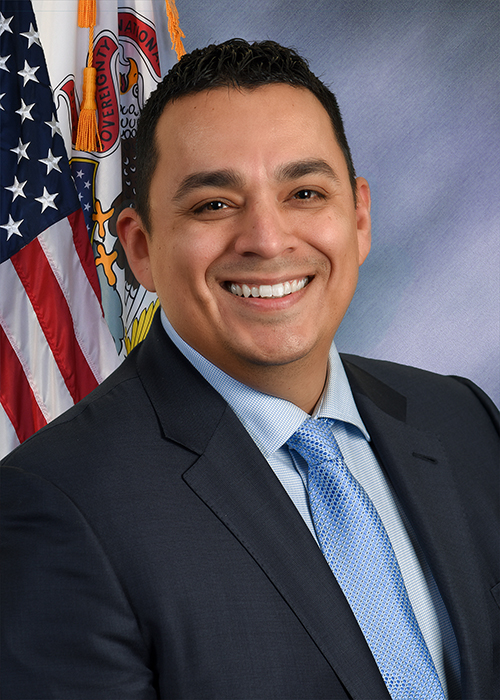
Added as Co-Sponsor Sen. Li Arellano, Jr.
0
WeVote Research Nonpartisan
Bill Summary · SB 3427

Summary of SB 3427 (104th Illinois General Assembly)

Purpose and intent

SB 3427 aims to adjust wage and rate provisions within the Illinois Department of Human Services (DHS) and the Division of Specialized Care for Children (DSP) related to workplace compensation and client care rate structures. The bill appears to focus on updating wage scales and Caring/Intensive Care assistance rates to align with current costs, workforce conditions, and program funding streams.

Key provisions and changes

  • Wage adjustments for DHS/DSP workers: The bill proposes changes to wage levels for staff employed by the DHS and DSP programs, with the goal of increasing compensation to reflect market conditions, recruitment/retention pressures, and the critical nature of care and support services.
  • Rate increases for care services: It includes modifications to reimbursement or service delivery rates for programs administered by DHS and DSP. This could affect overnight, residential, community-based, and in-home care services funded through state resources.
  • Budget and funding alignment: The measure links wage and rate changes to the state budget framework, potentially requiring new or reallocated funding to support the higher wage scales and service rates.
  • Targeted program areas: While not explicitly detailed in the summary, the bill’s scope typically covers DHS programs that support individuals with disabilities, mental health services, child welfare, and related DSP initiatives that rely on department funding.

Who would be affected

  • Direct care and frontline workers: Employees within DHS and DSP who receive wages and benefits tied to the adjusted scales would experience compensation changes.
  • Service providers and contractors: Organizations delivering DHS/DSP services that bill for care or receive state-supported reimbursement could see rate changes, impacting budgeting and staffing.
  • Individuals served: Clients and program participants who rely on DHS/DSP services may experience improved access, service quality, or continuity of care resulting from higher wages and better-supported service delivery.

Procedural and timeline aspects

  • Legislative process: As a bill introduced in the Illinois Senate (Session 104th) with multiple co-sponsors, it will undergo committee consideration, potential amendments, and readings before a full chamber vote.
  • Funding considerations: Any wage and rate increases would require appropriation or reallocation within the state budget; timing would depend on the annual budget process and fiscal year implications.
  • Effective dates: The bill would specify effective dates for wage and rate changes, potentially phased in over a period to allow providers to adjust and to align with fiscal planning.

Notable details

  • Co-sponsors: The measure lists several co-sponsors, indicating bipartisan and cross-caucus support, including Laura Fine, Li Arellano, Graciela Guzmán, Dave Koehler, and Chapin Rose.
  • Scope inference: The bill’s title references DHS and DSP wage and CILA rate increases. CILA typically refers to Community Integrated Living Arrangements, suggesting a focus on rates for residential supports and related services for individuals with disabilities.

If you’d like, I can tailor this summary to emphasize specific sections (e.g., financial impact, implementation timeline, or relation to existing statutes) or compare it to current Illinois statutes on DHS/DSP wages and CILA rate structures.

Compiled from official sources — confirm details with the bill’s official record.

Sign in to ask a question.