

WeVote

Bill

Bill

HB 4747

DHS-DSP PILOT PROGRAM

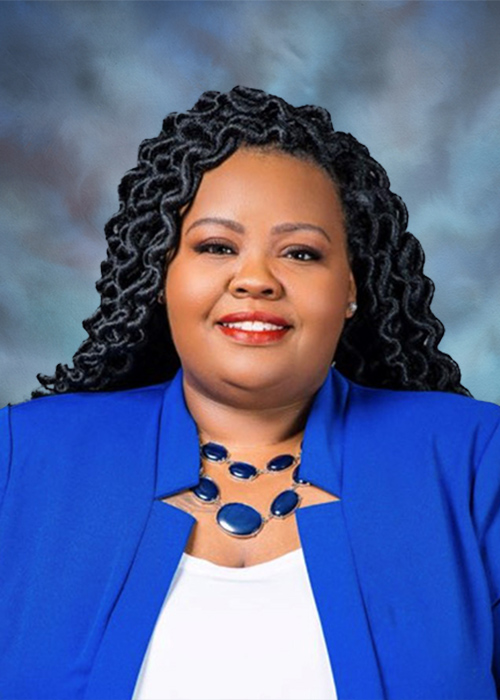
104th Regular Session Introduced by Lakesia Collins and 3 co-sponsors

Establishes a 3-year DHS-administered DSP credential pilot to professionalize the direct support workforce, boost recruitment/retention, and improve care quality.

Passed Both Houses
0
WeVote Research Nonpartisan
Bill Summary · HB 4747

HB 4747 (104th Illinois General Assembly) — DHS-DSP Pilot Program

What the bill aims to do

  • Establish a three-year pilot program to create and administer a direct support professional (DSP) credential in the developmental disabilities field.
  • The program is intended to improve recruitment and retention of DSPs, professionalize the field, enhance staff competencies, and promote health and safety for individuals with developmental disabilities.
  • The pilot is state-administered through the Illinois Department of Human Services (DHS) and may involve providers licensed or certified by DHS or the Department of Public Health.

Key provisions and changes

  • Definition: A “direct support professional credential” is a document from a recognized accrediting body indicating that the individual meets credentialing requirements defined by the DHS Division of Developmental Disabilities.
  • Program purpose and scope:
    • DHS (or a DHS partner) shall implement a DSP credential pilot to gain expertise about the developmental disabilities workforce, recruitment/retention needs, and to advance DSP as a career.
    • The pilot aims to professionalize the field, improve workforce recruitment and retention, expand advanced skills/competencies, and ensure better health, safety, and well-being of those served.
    • The pilot targets providers licensed or certified by DHS or the Department of Public Health.
  • Administration and duration:
    • The pilot is administered by DHS (or a Division partner) for 3 years.
    • The initial start is fiscal year 2025 or 2028? (text shows “beginning in Fiscal Year 2028 2025” due to editing; the intended effective start is in the future; the act later states it takes effect upon becoming law).
  • Evaluation considerations:
    • The pilot shall consider best practices and standards such as:
    • University of Minnesota’s direct support education resources.
    • Illinois DHS-approved DSP competencies and national credentialing standards.
    • DSP portfolio development.
    • The role/benefits of skill mentors.
    • The creation of a career ladder for DSPs.
  • Reporting requirements:
    • DHS must produce a progress report detailing:
    • Recruitment and retention rates for DSPs among participating providers vs. non-participating providers.
    • The number of DSPs credentialed.
    • Any enhancement in quality of supports and services for individuals with developmental disabilities.
  • Additional details:
    • The bill references ongoing alignment with existing competencies and potential integration with approved direct support professional standards and credentials.

Who is affected

  • Direct care providers working with individuals with developmental disabilities who would participate in the DSP credential and related training.
  • Providers licensed or certified by DHS or the Department of Public Health who engage with the pilot.
  • Individuals with developmental disabilities who would receive supports and services under the pilot, with the goal of higher quality care and improved health and safety outcomes.
  • State agencies (primarily the Illinois Department of Human Services) and any DHS partners involved in administering the pilot.

Timeline and procedural notes

  • Pilot duration: 3 years.
  • Effective date: The act states “This Act takes effect upon becoming law.”
  • Legislative progress:
    • Passed in both houses and advanced through standard committee and readings in 2026.
    • Includes multiple sponsors and co-sponsors, with ongoing oversight through reporting requirements.
  • Reports and metrics: The bill mandates concrete performance metrics (recruitment/retention rates, number credentialed, quality of supports) to assess the program’s impact.

Potential impact and considerations

  • Could standardize DSP qualifications and create a clear career pathway, potentially improving workforce stability and service quality.
  • May influence recruitment strategies in the developmental disabilities sector by offering a state-recognized credential.
  • The pilot’s findings will inform future policy decisions about statewide DSP credentialing and professional development.

If you’d like, I can provide a plain-language brief for non-technical readers or a comparison with similar DSP credential initiatives in other states.

Compiled from official sources — confirm details with the bill’s official record.

Sign in to ask a question.