

WeVote

Bill

Bill

HR 706

DHS Biodetection Improvement Act

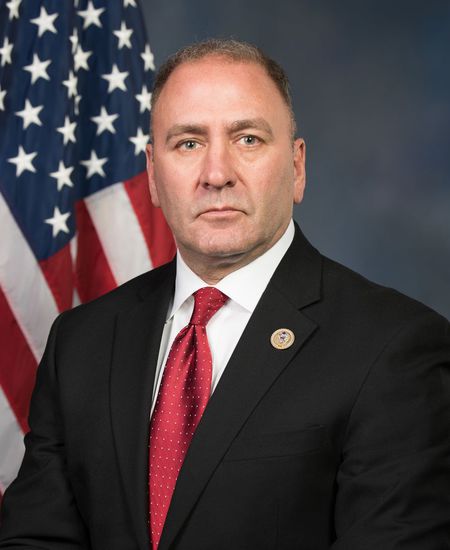
119th Congress Introduced by Clay Higgins and 1 co-sponsor

The DHS Biodetection Improvement Act boosts the Department of Homeland Security's ability to detect biological threats, enhancing public health safety and response efforts.

Received in the Senate and Read twice and referred to the Committee on Homeland Security and Governmental Affairs.
0
WeVote Research Nonpartisan
Bill Summary · HR 706

Summary of HR 706: DHS Biodetection Improvement Act

Purpose and Intent

The DHS Biodetection Improvement Act (HR 706) aims to enhance the capabilities of the Department of Homeland Security (DHS) in detecting biological threats. The bill seeks to improve the nation's preparedness and response to biological incidents, ensuring that the DHS has the necessary tools and resources to protect public health and safety.

Key Provisions

While the specific text of the bill is not provided, the following key provisions are typically included in legislation of this nature:

  • Funding for Research and Development: The bill may allocate funds for the development of advanced biodetection technologies and systems.
  • Collaboration with Agencies: It likely emphasizes collaboration between DHS and other federal, state, and local agencies to enhance biodetection capabilities.
  • Training and Resources: The bill may include provisions for training personnel in the use of biodetection technologies and improving response protocols.
  • Public Health Integration: It may promote the integration of biodetection efforts with public health initiatives to ensure a coordinated response to biological threats.

Affected Parties

The following groups are expected to be impacted by the provisions of HR 706:

  • Department of Homeland Security: As the primary agency responsible for implementing the bill, DHS will receive additional resources and authority to enhance biodetection efforts.
  • Public Health Agencies: Local and state health departments may benefit from improved coordination and resources for responding to biological threats.
  • Research Institutions: Organizations involved in the research and development of biodetection technologies may receive funding and support.
  • General Public: Enhanced biodetection capabilities are intended to protect public health and safety, reducing the risk of biological incidents.

Legislative Timeline

  • Introduced: January 23, 2025
    • Referred to the House Committee on Homeland Security and the Subcommittee on Emergency Management and Technology.
  • House Actions:
    • March 10, 2025: The House debated the bill for 40 minutes and considered it under suspension of the rules.
    • March 11, 2025: The bill was passed by voice vote in the House.
    • March 12, 2025: The bill was received in the Senate, read twice, and referred to the Committee on Homeland Security and Governmental Affairs.

Conclusion

The DHS Biodetection Improvement Act represents a significant step towards bolstering the United States' defenses against biological threats. By enhancing the capabilities of the DHS and fostering collaboration with public health agencies, the bill aims to ensure a more effective response to potential biological incidents, ultimately safeguarding public health and safety. As the bill moves through the legislative process, its provisions and funding allocations will be critical in shaping the nation's biodetection strategies.

Compiled from official sources — confirm details with the bill’s official record.

Sign in to ask a question.