

WeVote

Bill

Bill

SB 1774

DHFS-SUBSTANCE USE TREATMENT

104th Regular Session Introduced by Laura Fine and 2 co-sponsors

Repeals DHFS/DHS duties to plan enhanced Medicaid rates for SUD/mental health and to review coverage/billing; removes required stakeholder input; no rate changes; effective 2026.

Public Act . . . . . . . . . 104-0122
0
WeVote Research Nonpartisan
Bill Summary · SB 1774

SB 1774 — DHFS — Substance Use Treatment (Public Act 104-0122)

Status: Enacted (Public Act 104-0122) — Effective January 1, 2026
Introduced: February 6–28, 2025 (Sen. Laura Fine)
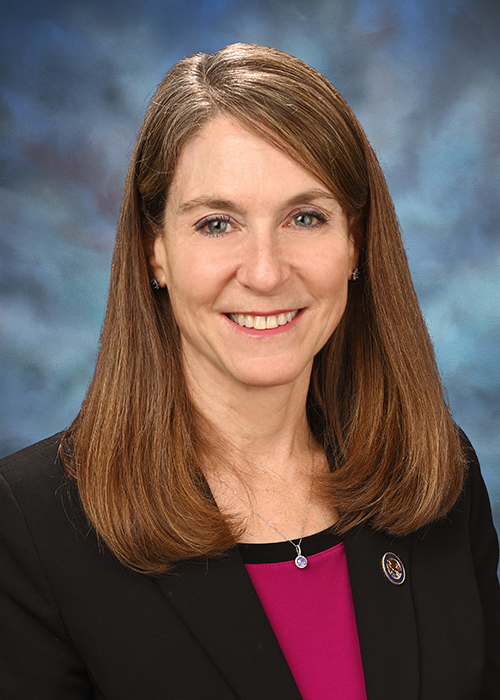
Sponsors: Sen. Laura Fine; Co-sponsor Sen. Graciela Guzmán; Chief House Sponsor Rep. Lindsey LaPointe

Main purpose

SB 1774 repeals two statutory provisions in the Illinois Public Aid Code that imposed planning, consultation, and interagency collaboration requirements on the Department of Healthcare and Family Services (DHFS) and the Department of Human Services (DHS) relating to Medicaid coverage, rates, and administrative processes for substance use disorder (SUD) and mental health services.

Key provisions

  • Repeals section 5‑5.05g of the Illinois Public Aid Code, which had required DHFS to consult with stakeholders and members of the General Assembly to develop a plan for enhanced Medicaid rates for:
    • Substance use disorder treatment; and
    • Mental health treatment in underserved communities.
  • Repeals section 5‑5.14.5 of the Illinois Public Aid Code, which had required DHFS and DHS to collaborate to:
    • Review coverage and billing requirements for substance use prevention, recovery, and mental health services; and
    • Identify disparities and streamline coverage and billing requirements to reduce administrative burdens on providers and medical assistance beneficiaries.

No other substantive amendments to Medicaid rates, covered services, or appropriations are included in the enacted text; the bill simply removes the two statutory mandates described above.

Who is affected

  • Primary agencies: Department of Healthcare and Family Services (DHFS) and Department of Human Services (DHS) — they are no longer statutorily required to perform the specified consultations and collaborative reviews.
  • Medicaid/Medical Assistance beneficiaries and SUD/mental-health service providers — may be indirectly affected if the repealed mandates previously led to planning or reforms (e.g., enhanced rates, streamlined billing) that would have benefited underserved communities or reduced provider administrative burden.
  • Stakeholders (advocacy groups, legislators, provider organizations) — lose a legislated avenue for structured consultation and mandatory interagency review on these specific topics.

Procedural / timeline notes

  • Passed both chambers: Senate third reading passed (56–0); House passed (115–0).
  • Sent to governor June 20, 2025; Governor approved August 1, 2025.
  • Enacted as Public Act 104‑0122; effective January 1, 2026.

Potential impact and considerations

  • Administrative impact: Eliminates specific statutory duties that had required stakeholder input and interagency review; may reduce formal planning activity tied to those sections.
  • Policy impact: The repeal does not itself change Medicaid coverage, reimbursements, or programmatic funding; however, it removes legislatively required mechanisms that could have produced policy changes (e.g., enhanced rates or streamlined billing). Any future changes to rates, coverage, or administrative processes would depend on agency action outside these repealed mandates or on new legislation.
  • Fiscal impact: The enacted bill contains no appropriation or new spending; fiscal effects are likely minimal unless the repealed mandates previously drove funded activities.

For the enacted language: SB1774 (engrossed/enrolled) repeals (305 ILCS 5/5‑5.05g) and (305 ILCS 5/5‑5.14.5) of the Illinois Public Aid Code; full text in Public Act 104‑0122.

Compiled from official sources — confirm details with the bill’s official record.

Sign in to ask a question.