

WeVote

Bill

Bill

SB 3315

DHFS-MFTD KIDS-NURSING RATES

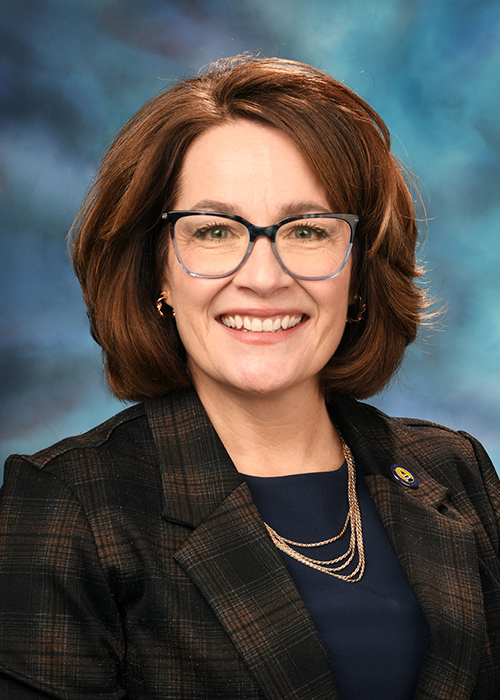
104th Regular Session Introduced by Meg Loughran Cappel

Illinois SB 3315 would raise private duty nursing rates for medically fragile, tech-dependent children over time, culminating in 25% higher rates by 7/1/2026 (pending federal appro

Rule 2-10 Committee/3rd Reading Deadline Established As May 22, 2026
0
WeVote Research Nonpartisan
Bill Summary · SB 3315

Summary of SB 3315 (Session 104th, Illinois)

Purpose and intent

SB 3315 amends the Illinois Public Aid Code to increase reimbursement rates for private duty nursing services provided to medically fragile and technology-dependent children who are eligible for medical assistance. Pending federal approval, the bill would establish progressively higher rates, culminating in a 25% increase over 6/30/2026 levels, effective July 1, 2026. The aim is to enhance provider compensation for in-home nursing care and support ongoing access to community-based care for affected children.

Key provisions and changes

  • Target population: Children under 21 who are medically fragile and technology dependent and qualify for medical assistance under the Medical Assistance Article of the Illinois Public Aid Code. The program supports community-based care and aims to maximize federal reimbursement and family cost-sharing as permissible.

  • Rate increases by timeline (subject to federal approval):

    • January 1, 2024: Nursing and Personal Care Services reimbursement for non-waiver customers and private duty nursing services for eligible children shall be 20% higher than the rates in effect on December 31, 2023.
    • January 1, 2025: Reimbursement shall be 7% higher than the rates in effect on December 31, 2024.
    • July 1, 2026: Reimbursement shall be 25% higher than the rates in effect for nursing services on June 30, 2026 (final step in the schedule).
    • Note: All increases are contingent on federal approval.
  • Evaluation requirement:

    • The Department must conduct an evaluation of the program, covering service provision and design, waiver operations, rate-setting methodologies, and the supports provided to in-home shift nursing services.
    • The evaluation will consider both individuals under 21 receiving in-home shift nursing and individuals over 21 under the Home and Community-Based Services (HCBS) Waiver for Medically Fragile and Technology-Dependent Children.
    • The Department may consult with enrolled providers and may contract with an outside entity to assist with analysis as needed.
  • Administration and implementation:

    • The Department must implement policies, procedures, standards, and criteria for this program by rule.
    • Federal approval is explicitly required for the rate increases and some program elements to be valid.
  • Effective date: July 1, 2026.

Who is affected

  • Direct beneficiaries: Medically fragile and technology-dependent children eligible for Medical Assistance under the state’s Public Aid Code.
  • Service providers: Private duty nursing services and nursing and personal care service providers who bill under the program.
  • State agencies: Illinois Department of Healthcare and Family Services (HFS) responsible for administering the program, setting rates, and conducting the mandated evaluation, in coordination with any required federal approvals.
  • Families: Potentially lower out-of-pocket costs or better access to in-home nursing services due to higher provider reimbursement, subject to federal program rules.

Procedural and timeline aspects

  • Introduction and sponsorship: Introduced February 3, 2026, by Sen. Meg Loughran Cappel (co-sponsor listed).
  • Committee action and deadlines:
    • Rule 2-10 deadlines established; current procedures set for committee reviews with a May 15, 2026 deadline for third reading in the current session workflow.
  • Effective date: The act, including the new reimbursement rates, would take effect July 1, 2026, contingent on obtaining federal approval for the changes.
  • Evaluation and possible contracting: The bill authorizes the Department to contract with an outside entity if needed to support the evaluation.

Practical considerations

  • The phase-in structure provides a gradual increase in nursing reimbursement rates, culminating in a 25% uplift by mid-2026, intended to improve access to home-based nursing care and stabilize funding for providers.
  • Federal approval is a critical prerequisite for all rate changes; if approval is not obtained, the higher rates would not take effect.
  • The evaluation component is designed to inform policy design and future rate-setting methodologies.

If you’d like, I can tailor this summary for a specific audience (e.g., policymakers, healthcare providers, or advocacy groups) or add a quick comparison to current rate levels.

Compiled from official sources — confirm details with the bill’s official record.

Sign in to ask a question.