

WeVote

Bill

Bill

SF 1368

Department of Human Rights maintaining a collection or database on incidents of protected speech prohibition

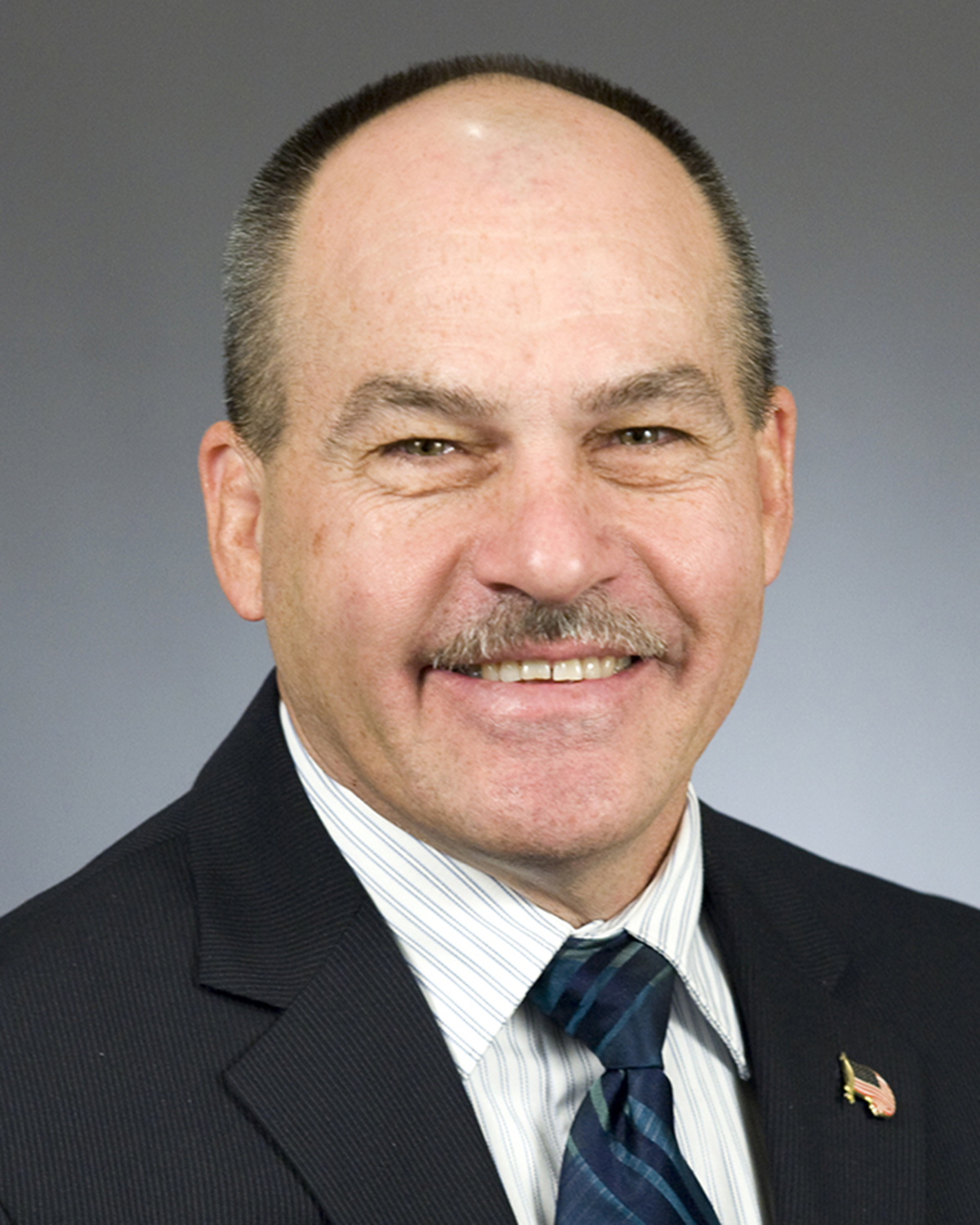
2025-2026 Regular Session Introduced by Jeff Howe and 3 co-sponsors

SF 1368 requires Minnesota's Department of Human Rights to maintain a database of incidents where protected speech is prohibited, with privacy protections and periodic reporting.

Author added Mathews
0
WeVote Research Nonpartisan
Bill Summary · SF 1368

Summary of SF 1368 — Department of Human Rights maintaining a collection or database on incidents of protected speech prohibition

Overview

SF 1368 would require the Minnesota Department of Human Rights to maintain a collection or database documenting incidents in which protected speech is prohibited. The bill is positioned within the subjects of Data Practices and Privacy and the Human Rights Department, suggesting considerations around how such data is collected, stored, accessed, and protected, in addition to how the Department analyzes and reports on incidents of speech prohibition.

Purpose and intent (as inferred from the title and subject)

  • Create or mandate the maintenance of a centralized record of incidents where protected speech is prohibited.
  • Provide a mechanism for tracking, analyzing, and potentially reporting on these incidents to inform human rights and data privacy policies.
  • Align data collection and handling with Minnesota data practices and privacy standards, given the bill’s listed subjects.

Key provisions (noting state of the bill text)

  • The bill would establish or require the Department of Human Rights to maintain a database/collection focused on incidents involving prohibition or restriction of protected speech.
  • It would address how data are collected, stored, accessed, and protected in accordance with data practices and privacy requirements.
  • It may include definitions of terms such as “protected speech,” “incidents,” and related data elements; although the exact definitions and data elements are not provided in the available information.
  • It could require reporting or public transparency elements (e.g., annual or periodic summaries of incidents), subject to privacy and data protection rules.
  • Specific compliance timelines, retention periods, and enforcement mechanisms are not detailed in the information provided.

Affected parties and scope

  • Primary: Minnesota Department of Human Rights, which would be responsible for maintaining the database.
  • Other potential stakeholders include state agencies, employers, schools, or institutions whose policies or actions regarding speech could be recorded; individuals whose incidents are documented may be data subjects under state privacy laws.

Procedural history and timeline

  • Introduction: February 13, 2025.
  • Referred to: Judiciary and Public Safety (initial committee assignments).
  • Actions: February 13 (introduction and first reading); February 27, 2025 (Author added Mathews).
  • Related bill: HF 768 is the companion measure in the House.

Potential impacts and considerations

  • Data privacy and access: The bill raises questions about who can access the database, how data are anonymized or protected, and how sensitive information is handled.
  • Accountability and transparency: If enacted, the database could improve oversight of incidents involving speech restrictions and help identify patterns or systemic issues.
  • Administrative burden: Establishing and maintaining a new data collection requires resources, governance controls, and ongoing compliance with data practices laws.
  • Policy implications: Could influence debates on free speech protections in public and semi-public settings, depending on how “protected speech” is defined and applied.

Next steps

  • Review the full text of SF 1368 to confirm definitions, data elements, access rules, retention periods, reporting requirements, and funding.
  • Monitor committee actions in Judiciary and Public Safety for amendments and potential passage.
  • Compare with HF 768 (companion) to understand House provisions and alignment.

If you’d like, I can incorporate any available bill text or amendments to provide a more detailed provision-by-provision analysis.

Compiled from official sources — confirm details with the bill’s official record.

Sign in to ask a question.