

WeVote

Bill

Bill

HR 1608

Department of Homeland Security Vehicular Terrorism Prevention and Mitigation Act of 2025

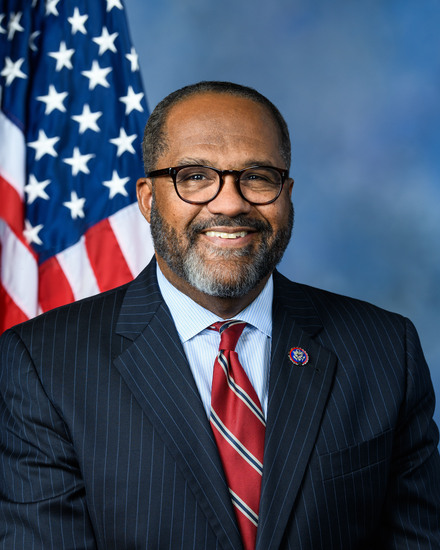
119th Congress Introduced by Troy Carter and 2 co-sponsors

The bill enhances U.S. preparedness against vehicular terrorism by requiring a report on threats, vulnerabilities, and strategies to protect public spaces and improve safety.

Received in the Senate and Read twice and referred to the Committee on Homeland Security and Governmental Affairs.
0
WeVote Research Nonpartisan
Bill Summary · HR 1608

Summary of HR 1608: Department of Homeland Security Vehicular Terrorism Prevention and Mitigation Act of 2025

Purpose and Intent

The Department of Homeland Security Vehicular Terrorism Prevention and Mitigation Act of 2025 aims to enhance the United States' preparedness and response to vehicular terrorism. Following a tragic incident in January 2025, where a vehicular attack in New Orleans resulted in multiple fatalities and injuries, the bill seeks to address the evolving threats posed by vehicle-based attacks and improve coordination among various stakeholders.

Key Provisions

The bill mandates the Secretary of Homeland Security to produce a comprehensive report on vehicular terrorism threats and countermeasures within 180 days of enactment. The report must include:

  1. Assessment of Threats:

    • Analysis of methods and motivations behind vehicular terrorism.
    • Evaluation of domestic and international trends.
    • Identification of future threats related to emerging automotive technologies, including connected and autonomous vehicles.
  2. Vulnerability Review:

    • Identification of high-risk locations, such as:
      • Airports, seaports, and government facilities.
      • Public transportation hubs and healthcare facilities.
      • Crowded spaces like concerts, sporting events, and public demonstrations.
  3. Actions and Strategies:

    • Summary of actions taken by the Department of Homeland Security (DHS) and related agencies to prevent and respond to vehicular terrorism.
    • Recommendations for physical barriers and protective infrastructure at vulnerable sites.
    • Research and deployment of technologies for monitoring and managing vehicle access.
  4. Stakeholder Engagement:

    • Evaluation of DHS's collaboration with public and private sectors to enhance vehicular terrorism prevention efforts.

Impact

The bill primarily affects:
- Federal, State, and Local Agencies: Enhances their ability to coordinate and respond to vehicular terrorism threats.
- Public Safety: Aims to protect civilians and first responders from potential attacks.
- Automotive Industry: Encourages the assessment of vulnerabilities in emerging technologies, potentially leading to new safety standards and practices.

Legislative Timeline

  • Introduced: February 26, 2025
  • Reported (Amended): August 8, 2025, by the Committee on Homeland Security (H. Rept. 119-222).
  • Placed on Union Calendar: August 8, 2025.

Conclusion

The HR 1608 bill represents a proactive approach to addressing the growing threat of vehicular terrorism in the United States. By requiring a detailed report on threats and countermeasures, it aims to bolster national security and public safety through enhanced preparedness and inter-agency collaboration.

Compiled from official sources — confirm details with the bill’s official record.

Sign in to ask a question.