

WeVote

Bill

Bill

SJR 58

DENY-SCHOOL CODE WAIVER

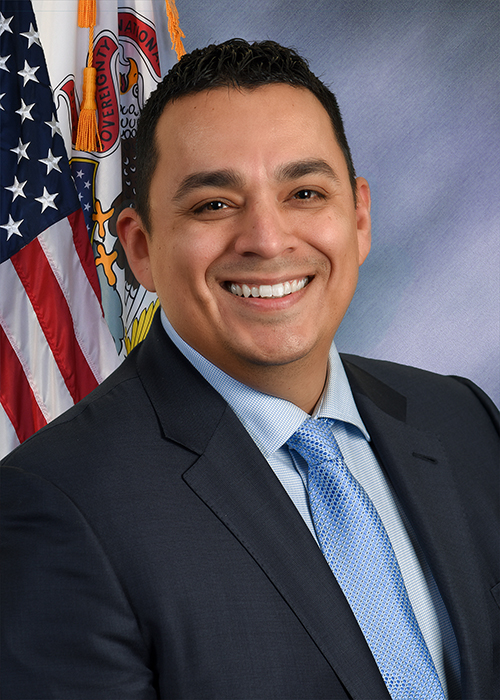
104th Regular Session Introduced by Li Arellano

SJR 58 seeks to deny or rescind a specific Illinois School Code waiver, directing state agencies to withhold or reconsider its use.

Pursuant to Senate Rule 3-9(b) / Referred to Assignments
0
WeVote Research Nonpartisan
Bill Summary · SJR 58

Summary of SJR 58 (104th Illinois General Assembly)

Purpose and intent

  • SJR 58 is a Senate Joint Resolution in the Illinois 104th General Assembly with the stated aim of denying or altering a waiver related to the Illinois School Code. The exact phrasing indicates a procedural step to reject or withdraw a previously granted waiver (or to prohibit a specific waiver) affecting the enforcement or application of the School Code.
  • The bill is introduced with co-sponsorship from Li Arellano.

Key provisions and changes

  • The resolution appears to address whether a particular waiver under the Illinois School Code should be denied, rescinded, or not granted going forward. As a joint resolution, it typically operates to convey the General Assembly’s position or to authorize changes without directly imposing new statutory obligations on agencies, unless it directs action by another branch or by agencies implementing the School Code.
  • Specific procedural effects may include:
    • Denying the validity or applicability of a certain waiver previously issued by a state education authority.
    • Directing state agencies (e.g., Department of Education) to withhold, rescind, or reconsider a waiver in line with the resolution.
    • Establishing the General Assembly’s stance on related educational policy waivers and signaling potential future statutory actions.
  • The exact scope, including which waiver is targeted (e.g., related to funding, testing, curriculum, local district flexibility, or administrative procedures), is not detailed in the summary provided. The resolution’s impact would hinge on the particular waiver and the process it triggers.

Affected parties and impacts

  • State agencies and officials responsible for implementing the Illinois School Code (notably the Illinois State Board of Education and the Department of Education) would be the primary actors in responding to or implementing the resolution’s directives.
  • Local school districts and school administrators could be affected if the resolution changes the status or availability of waivers they rely on for flexibility or compliance.
  • Students, teachers, and parents could experience indirect effects through any changes to requirements, exemptions, or administrative processes tied to the targeted waiver.

Procedural and timeline considerations

  • As a joint resolution, SJR 58 typically follows a legislative process separate from ordinary statutemaking. It may require passage by both chambers (Senate and House) and approval by the Governor, depending on the exact constitutional mechanics for resolutions in Illinois.
  • The resolution may reference timelines for implementing any waived provisions or for a review/renewal process, but no specific dates or deadlines are provided in the available summary.
  • If the resolution functions as a directive to rescind or withhold a waiver, agencies would likely need to respond within a defined administrative timeframe, potentially triggering formal rulemaking or administrative actions.

Additional notes

  • The sponsor information lists Li Arellano as a co-sponsor, indicating bipartisan or cross-chamber support depending on committee assignments and political context.
  • For a precise understanding of which waiver is targeted and the exact operative language, the full text of SJR 58 and any accompanying fiscal or policy notes should be consulted. This would clarify the practical effects, any associated fiscal impact, and the timeline for implementation.

Compiled from official sources — confirm details with the bill’s official record.

Sign in to ask a question.