

WeVote

Bill

Bill

HR 9586

Delivering Priority Legislation Act

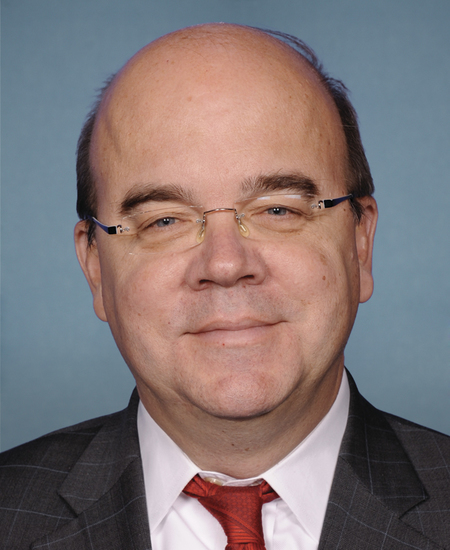
119th Congress Introduced by Jim McGovern

Expedite considered priority bills by coordinating cross-committee review and referrals to accelerate floor action on high-priority legislation.

Introduced in House
0
WeVote Research Nonpartisan
Bill Summary · HR 9586

Overview

HR 9586, titled the Delivering Priority Legislation Act, is a bill introduced in the 119th Congress. The primary aim appears to be expediting consideration and passage of prioritized legislative items by coordinating procedural action across multiple House committees. The bill includes forwarding provisions to a broad set of committees for consideration that fall within their respective jurisdictions, signaling an intent to streamline and centralize the handling of priority legislation.

Main purpose and intent

  • Establish or formalize a process to deliver and advance priority bills with cross-cutting policy significance.
  • Route and coordinate legislative provisions through multiple standing committees that have jurisdiction over different policy areas, ensuring comprehensive review and timely progression.
  • Leverage committee referrals to accelerate Senate-ready or floor-ready legislation by concentrating attention on high-priority measures.

Key provisions and changes (as inferred from available information)

  • Referred to the House Committee on Ways and Means, in addition to a wide range of other standing committees (Small Business, Science, Space, and Technology; Natural Resources; Agriculture; Transportation and Infrastructure; Energy and Commerce; Homeland Security; Armed Services; Foreign Affairs; Education and Workforce; Oversight and Government Reform; House Administration; Financial Services; Veterans' Affairs; Intelligence; Judiciary; Rules; Ethics; the Budget; Appropriations).
  • The referral to so many committees suggests a framework where legislation identified as priority would be reviewed concurrently or in a tightly coordinated fashion across relevant policy domains.
  • The mechanism likely includes procedures to manage timelines, reporting, and potential floor consideration consistent with a “priority legislation” designation.
  • The bill’s status indicates introduction and immediate multi-committee referral, with a note that the period for consideration is “to be subsequently determined by the Speaker,” implying potential scheduling flexibility at the Speaker’s discretion.

Who/what would be affected

  • Members and staff of a broad set of House committees would be involved in the expedited review and markup of priority legislation.
  • Policymakers across diverse issue areas (finance, defense, healthcare, infrastructure, education, environment, and more) could see priority bills undergo accelerated consideration.
  • Legislative process dynamics in the House, including scheduling, debate, and potential floor action on prioritized measures, could be altered to favor quicker outcomes for designated bills.

Procedural and timeline aspects

  • The bill was introduced and immediately referred to a large number of standing committees for consideration of provisions within their jurisdiction.
  • The Speaker would determine the timeline for consideration, suggesting a flexible or accelerated process for priority items.
  • The breadth of referrals indicates an integrated, cross-cutting approach rather than siloed, single-issue handling.

Potential impacts and considerations

  • Pros: Accelerated passage of high-priority legislation; coordinated oversight across policy areas; clearer pathways from committee consideration to floor action for key measures.
  • Cons: Potential complexity and coordination challenges among many committees; risk of overloading committees or slowing progress if multiple panels have due process concerns; increased need for leadership to synchronize schedules and reports.
  • Political and procedural implications: Availability of floor time and consensus among diverse committees will influence whether this act meaningfully expedites passage or instead shifts prioritization dynamics without reducing overall legislative gridlock.

Note: The summary reflects the information provided, including the title, sponsor (co-sponsor Jim McGovern), and the initial multi-committee referral action. For a complete, precise understanding, the full text of HR 9586 and any analysis from congressional bill summaries would be necessary.

Compiled from official sources — confirm details with the bill’s official record.

Sign in to ask a question.