

WeVote

Bill

Bill

SF 2567

Default surrogate for health decisions creation and process to appoint default surrogate for health decisions provision

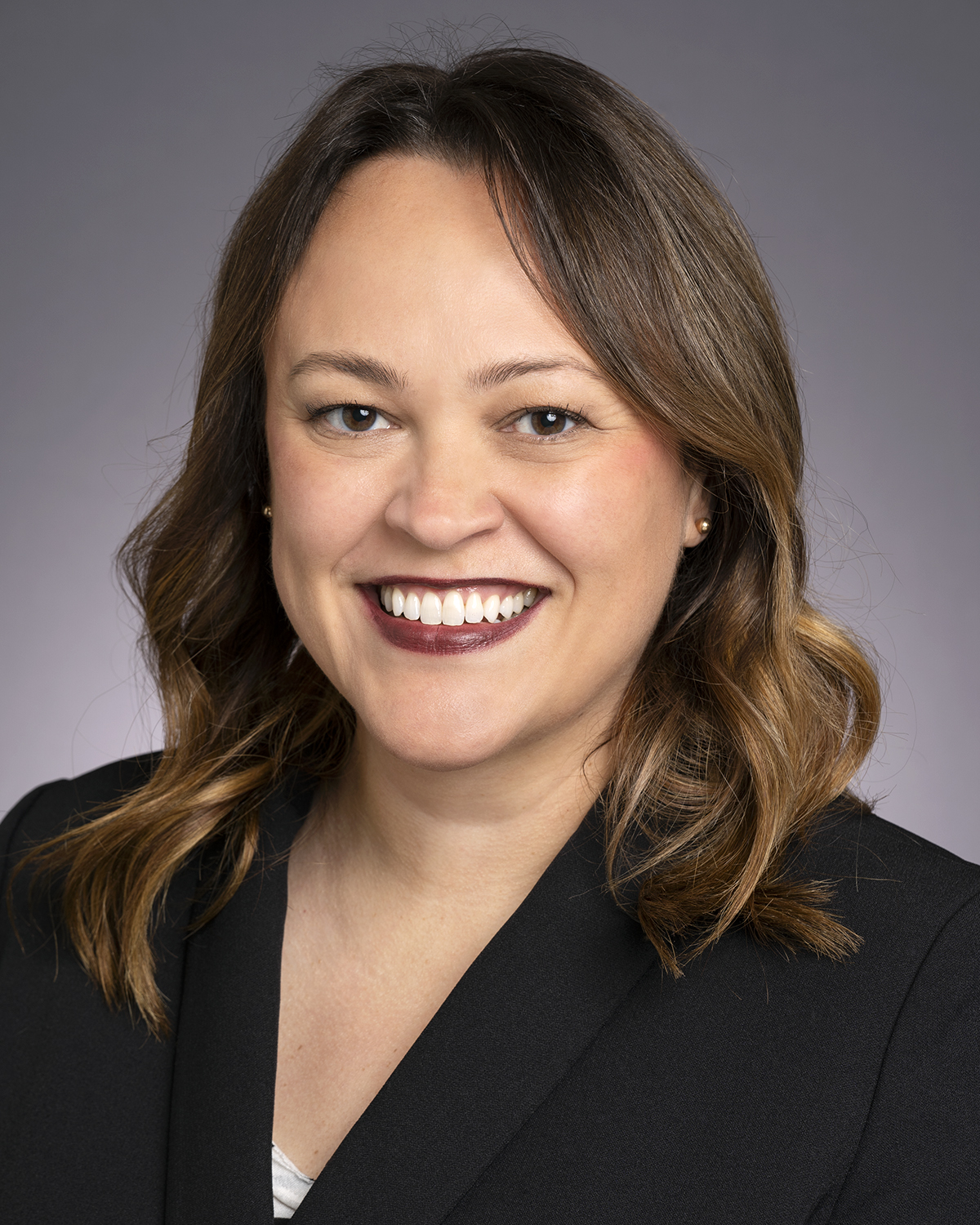
2025-2026 Regular Session Introduced by Alice Mann

SF 2567 creates a legal default surrogate system to authorize pre-determined family members to make healthcare decisions for incapacitated patients lacking advance directives.

Referred to Judiciary and Public Safety
0
WeVote Research Nonpartisan
Bill Summary · SF 2567

Legislative bill overview

SF 2567 establishes a statutory framework for designating a "default surrogate" who would make healthcare decisions for individuals unable to do so themselves, in the absence of an advance directive or designated healthcare proxy. The bill creates a legal process and hierarchy for automatically appointing such surrogates based on family relationships and availability.

Why is this important

Healthcare decision-making authority is critical when patients cannot communicate their wishes. Currently, Minnesota law may create ambiguity about who has authority to make decisions for incapacitated patients without prior documentation. This bill would provide clear statutory guidance, potentially reducing family disputes, legal challenges, and delays in time-sensitive medical situations.

Potential points of contention

  • Hierarchy concerns: The bill's predetermined surrogate hierarchy may not align with individual family dynamics or cultural practices, potentially overriding actual family preferences or religious values
  • Autonomy and documentation: Some argue default surrogates undermine incentives for people to create advance directives and explicitly state their own healthcare preferences
  • Scope of authority: Defining which healthcare decisions a default surrogate can make (routine vs. major, life-sustaining vs. non-emergency) and their limitations requires careful legal boundaries

Compiled from official sources — confirm details with the bill’s official record.

Sign in to ask a question.