

WeVote

Bill

Bill

SB 1685

DEBT RESOLUTION SERVICES ACT

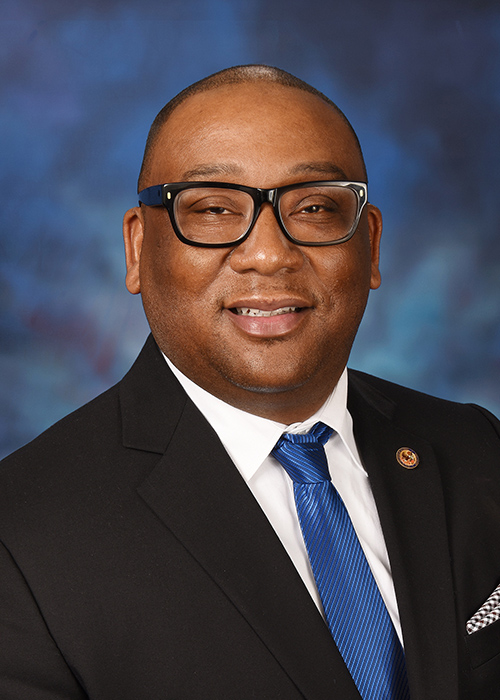
104th Regular Session Introduced by Christopher Belt

Illinois bill requires debt-resolution firms to obtain DFPR licenses (2 years), post bonds up to $50,000, disclose terms, honor cancellation rights, and face enforcement.

Referred to Assignments
0
WeVote Research Nonpartisan
Bill Summary · SB 1685

Summary — SB 1685 — “Debt Resolution Services Act”

Status: Introduced (referred to Assignments). Companion: HB 2586. Effective date (as drafted): January 9, 2026.

Note: The packet provided includes text from two different jurisdictions (an Arizona technical correction to A.R.S. §41‑607 and a separate, detailed Illinois bill titled the Debt Resolution Services Act). This summary focuses on the Debt Resolution Services Act (the substantive text provided), and notes the apparent cross‑jurisdictional materials at the end.

Purpose

Create a comprehensive regulatory framework for companies that offer “debt resolution services” — programs or services that promise to renegotiate, settle, or otherwise alter payment or other terms between a consumer and one or more unsecured creditors. The Act replaces the existing Illinois Debt Settlement Consumer Protection Act and establishes licensing, consumer‑protections, reporting, and enforcement tools.

Key provisions

  • License requirement: No person may offer or provide debt resolution services in the State without a debt resolution services license issued by the Department of Financial and Professional Regulation (DFPR).
  • Licensing mechanics:
    • Licenses issued for 2‑year terms, nontransferable.
    • Applicants must post a surety bond determined by DFPR, not to exceed $50,000.
    • Licenses tied to the licensee’s primary business address; fictitious/business names must be registered.
    • DFPR may adopt rules and charge reasonable application/renewal/investigation fees.
  • Definition: “Debt resolution services” covers services represented (directly or by implication) to renegotiate, settle, or alter terms with unsecured creditors (including balance, interest, or fee reductions).
  • Exemptions: include banks and their agents, licensed attorneys (when acting within the attorney‑client relationship), CPAs (within accountant‑client relationship), judicial officers, certain government employees, 501(c) organizations, dedicated account service providers that do not otherwise provide debt resolution services, creditors negotiating their own claims, and others.
  • Contract and consumer protections:
    • Specifies required contract terms (notice, disclosures, duties).
    • Consumers may terminate contracts at any time without penalty.
    • Licensees may terminate contracts only under specified conditions.
    • Prohibits false or misleading advertising and other prohibited activities.
  • Recordkeeping, reporting and fees: requires maintenance of records, annual reports by licensees, consumer disclosures, and sets out fee rules for services.
  • Enforcement and penalties: DFPR powers to investigate and enforce; civil penalties for violations. Repeals the prior Debt Settlement Consumer Protection Act and updates cross‑references in other statutes.

Who is affected

  • Primary: companies and individuals who provide debt resolution/settlement services to consumers in the State.
  • Secondary: consumers who enroll in debt resolution programs, unsecured creditors, banks/financial institutions (as exempt parties), and state regulators.
  • Attorneys, CPAs, banks, and certain nonprofits are expressly exempt under described conditions.

Timeline / procedural aspects

  • Bill as provided indicates introduction in early 2025 with legislative referrals (dates in the packet vary by jurisdiction).
  • Draft sets an effective date of January 9, 2026 for the new Illinois Act (per bill text).

Potential impact

  • Brings non‑bank debt resolution providers under a uniform licensing and oversight regime, increasing consumer protections (disclosure, cancellation rights, prohibited practices) and creating compliance costs (bond, licensing fees, recordkeeping) for providers.
  • Could reduce consumer harm from bad actors and create clearer regulatory standards for the industry; may also increase operating costs for smaller providers.

Administrative/conflict note

The materials include a short Arizona amendment (amending A.R.S. §41‑607 relating to false statements on veterans’ claims) and list sponsors from two states (Sen. Wendy Rogers — AZ and Sen. Christopher Belt — IL). Those appear to be from separate bills and are not substantively related to the Illinois Debt Resolution Services Act summarized above.

Compiled from official sources — confirm details with the bill’s official record.

Sign in to ask a question.