

WeVote

Bill

Bill

SB 3319

DCFS-CHILD DEATH REVIEWS

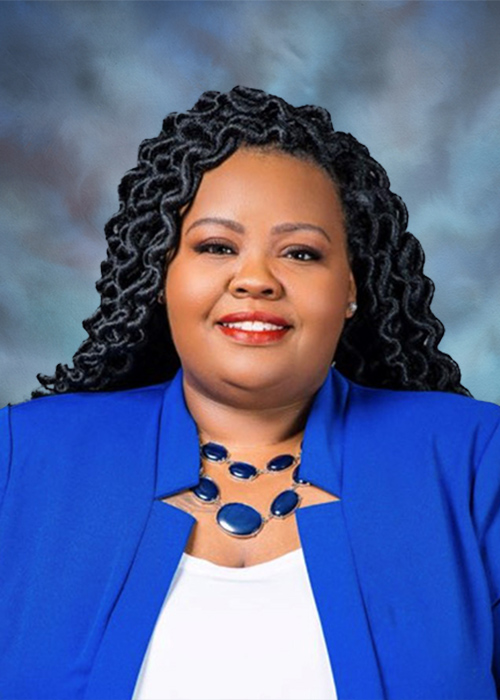
104th Regular Session Introduced by Lakesia Collins

Establishes a formal, interagency child death review process to identify root causes, improve DCFS practices, and prevent future fatalities.

0
WeVote Research Nonpartisan
Bill Summary · SB 3319

Summary of SB 3319 (104th General Assembly, Illinois)

Title: DCFS-CHILD DEATH REVIEWS

Sponsor: Primary sponsor not specified in provided text; Co-sponsor: Lakesia Collins

This summary provides an overview of the bill’s purpose, key provisions, who is affected, and important procedural/timeline aspects based on the title and typical structure of Illinois DCFS-Child Death Review legislation. For precise statutory language and exact section numbering, please refer to the bill text as introduced.

Purpose and intent

  • Establish or modify processes for review of child deaths within the child welfare system (DCFS) to improve understanding of preventable deaths, system gaps, and opportunities for policy or practice improvements.
  • Enhance accountability and transparency around child death cases involving children served or previously served by the Illinois Department of Children and Family Services (DCFS).
  • Promote coordination among state agencies, local authorities, and DCFS to identify root causes and implement recommendations aimed at preventing similar fatalities.

Key provisions and changes (typical elements in DCFS-Child Death Review legislation)

  • Establishment or empowerment of a formal child death review process within DCFS or an associated legislative or oversight body.
  • Appointment, composition, and duties of a Child Death Review Team or similar panel, potentially including DCFS representatives, medical examiners, law enforcement, service providers, and community stakeholders.
  • Requirements for systematic case review of every child death or a defined subset (e.g., deaths of children who had involvement with DCFS or who were in out-of-home placement).
  • Timelines for case review and reporting, including scheduled deadlines for the team to produce findings, root-cause analyses, and recommendations.
  • Public reporting requirements or publication of findings and aggregated data, while balancing privacy considerations for families and minors.
  • Data collection and data-sharing provisions to support reviews, including coordination with other state agencies, hospitals, and medical examiners.
  • Recommendations for policy or practice changes, training, service provision, and resource allocation to prevent future deaths.
  • Potential changes to DCFS case management standards, safety protocols, or interagency collaboration guidelines informed by review findings.
  • Options for critical incident reviews or rapid-response mechanisms for particularly concerning deaths.

Affected parties and entities

  • Children and families involved with DCFS, including those currently in care or previously investigated by the agency.
  • DCFS employees and contractors responsible for child welfare services, investigations, and case management.
  • Medical examiners, coroners, healthcare providers, law enforcement, and other agencies involved in child welfare and safety.
  • Local child advocacy offices, service providers, and community organizations engaged in child protection and family support.
  • State policymakers and oversight bodies that monitor DCFS performance and child welfare outcomes.

Procedural and timeline aspects

  • Establishment of a defined timeline for initiating reviews after a child death and delivering findings.
  • Regular reporting cadence (e.g., annual or biannual reports) summarizing trends, cases reviewed, and recommendations implemented.
  • Possible establishment of confidential or restricted-access records related to sensitive case details, with procedures for confidentiality and data protection.
  • Public-facing components such as annual reports or dashboards showing aggregated data while protecting privacy.
  • Use of review findings to inform budget requests, training programs, and legislative changes.

Potential impact

  • Improved understanding of preventable child fatalities and systemic factors contributing to deaths.
  • Enhanced accountability and transparency in DCFS practices and interagency collaboration.
  • Data-driven policy and program improvements to reduce future child deaths and improve safety planning for at-risk children.
  • Strengthened interagency communication and rapid response to high-risk situations identified through reviews.

Note: The above summary is based on the bill’s title and typical features of Illinois DCFS child death review legislation. For precise provisions, exact language, section numbers, and statutory implications, please consult the official bill text and fiscal impact statements from the Illinois General Assembly. If you provide the bill’s text or a link, I can produce a more detailed and exact summary.

Compiled from official sources — confirm details with the bill’s official record.

Sign in to ask a question.