Summary — SB 1271 (2025): Illinois Income Tax Credits (DCEO — Tax Credit Report)
Status: Enacted — signed by the Governor on 2025-05-27; effective immediately.
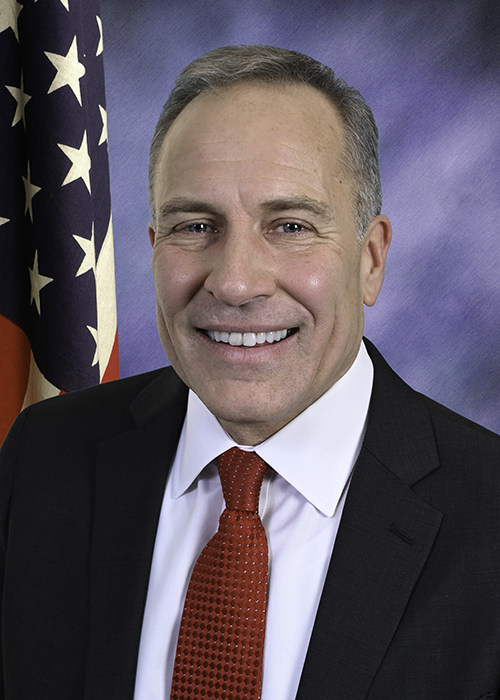
Primary sponsor: Sen. Seth Lewis. Companion: HB 2337. (Co-sponsor added: Sen. Chris Balkema.)
Note on source materials: The legislative packet provided also included unrelated drafts and statutes from other jurisdictions (Arizona ballot-law language and a Hawaii abortion bill). The summary below covers the Illinois enactment titled in the bill text as amendments to the Illinois Income Tax Act (35 ILCS 5), which is the operative content for SB 1271.
Purpose
- Establish three business tax credits in the Illinois Income Tax Act to incentivize businesses to remain headquartered in Illinois, to reward employment of Illinois residents, and to provide an additional credit tied to collective‑bargaining employees.
Key provisions
- Adds three new sections to the Illinois Income Tax Act (35 ILCS 5/246, 247, 248 — “Legacy credit”, “Employee tax credit”, and “Collective bargaining employee tax credit”).
Legacy credit (35 ILCS 5/246 — new)
- Eligible taxpayers: sole proprietorships, LLCs, or corporations headquartered in Illinois.
- Credit amount: $100 multiplied by a factor tied to the number of years the taxpayer has been headquartered in Illinois as of the last day of the taxable year (text in source is partially truncated; the statute ties the $100 multiplier to a measure of years headquartered in Illinois).
- S corporations: credit passes through to shareholders pro rata under subchapter S rules.
- Limitations: credit cannot reduce tax below zero; any excess may be carried forward and applied to tax liabilities for the next five taxable years. The credit is exempt from Section 250 (a statutory provision referenced in Illinois tax law).
Employee tax credit (35 ILCS 5/247 — new)
- Eligible taxpayers: sole proprietorships, LLCs, or corporations with a business location in Illinois.
- Credit amount: $100 per qualifying employee (source text indicates the credit is tied to employees who are Illinois payroll residents and meet a consecutive employment-duration requirement; language is partially truncated).
- S corporations: pass-through treatment similar to section 246.
- Limitations: same nonrefundable floor and five‑year carryforward as above; exempt from Section 250.
Collective bargaining employee tax credit (35 ILCS 5/248 — new)
- Eligible taxpayers: sole proprietorships, LLCs, or corporations with an Illinois business location.
- Credit amount: $25 per qualifying employee who (a) is an Illinois resident, (b) meets definitions used by the National Labor Relations Board, and (c) has six or more months of consecutive employment at year‑end.
- S corporations: pass-through treatment; same nonrefundable floor and five‑year carryforward; exempt from Section 250.
Who is affected
- Illinois businesses (sole proprietors, LLCs, C and S corporations) with headquarters or business locations in the State.
- Employees whose residency, employment duration, and (for the collective‑bargaining credit) union/collective‑bargaining status make them eligible for credits counted by employers.
- State revenue: these credits will reduce corporate and pass‑through taxpayers’ Illinois income tax liabilities (with potential multi‑year carryforwards), thereby reducing near‑term State income tax receipts to the extent credits are claimed.
Procedural / timeline aspects
- Effective immediately upon becoming law (per the bill’s effective-date clause).
- Credits apply for taxable years beginning on or after January 1, 2025 (per statutory language).
- Credits are nonrefundable but may be carried forward up to five taxable years.
Uncertainties / truncated language
- The source text for the legacy and employee credits contains truncations that obscure exact phrasing tying the $100 multipliers to specific measures (e.g., “number of years headquartered in Illinois” and the precise employment-duration threshold for the employee credit). The summary reflects reasonable readings of the statute language but users needing exact statutory text (for compliance or modeling revenue impacts) should consult the enrolled law as published by the Illinois Secretary of State or the Office of the Illinois Attorney General.