

WeVote

Bill

Bill

SB 4203

DCEO-DATA CENTERS

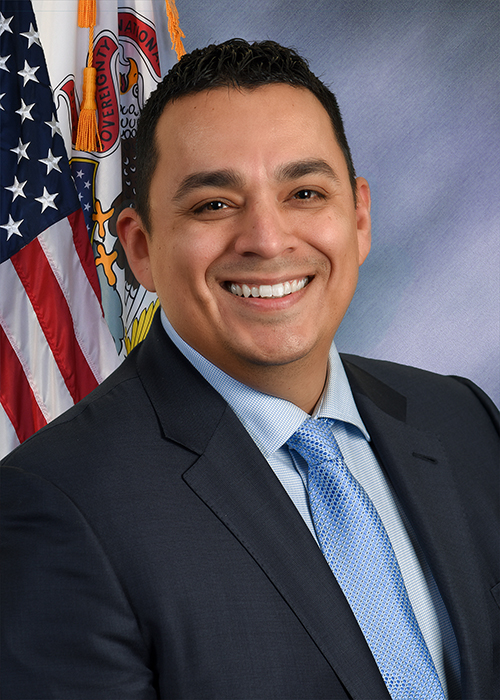
104th Regular Session Introduced by Li Arellano and 6 co-sponsors

The bill would create and manage state incentives and standards to attract and regulate data centers in Illinois, including site requirements, reporting, and oversight.

0
WeVote Research Nonpartisan
Bill Summary · SB 4203

Summary of SB 4203 (Session 104th, Illinois) – DCEO-DATA CENTERS

Purpose and intent

  • The bill relates to the Department of Commerce and Economic Opportunity (DCEO) and data center activities within Illinois.
  • It aims to establish, modify, or clarify provisions governing data center development, operations, incentives, or related economic development initiatives overseen by DCEO. (Note: the exact text of the bill would specify the precise authority, programs, and requirements; this summary captures the typical scope suggested by the title “DCEO-DATA CENTERS.”)

Key provisions and changes (what the bill would do)

  • Data center focus: Creates or updates programs, policies, or incentives to attract, support, or regulate data centers in Illinois.
  • Economic incentives: May establish financial incentives (grants, tax credits, rebates, or loan programs) administered by DCEO to encourage data center construction, expansion, or relocation.
  • Site and infrastructure requirements: Could set criteria for project sites, utility connectivity, cooling and power infrastructure, permitting timelines, and resilience standards for data centers.
  • Economic impact metrics: Likely requires reporting on job creation, investment levels, energy usage, and other economic indicators to measure program effectiveness.
  • Competitive processes: May outline application procedures, eligibility criteria, scoring frameworks, and approval timelines for data center projects seeking incentives.
  • Compliance and accountability: Could include reporting, auditing, and sunset provisions to ensure oversight of incentives and program outcomes.
  • Collaboration with other state agencies: May authorize or require coordination with utility commissions, environmental agencies, or local governments.

Who would be affected

  • Prospective data center developers, operators, and vendors seeking state incentives or approvals.
  • Businesses planning to relocate or expand data center capacity in Illinois.
  • Local governments and communities hosting data centers, due to potential improvements in infrastructure, job creation, and tax implications.
  • State agencies and utility providers involved in program administration, permitting, and compliance monitoring.
  • Residents and regional economies impacted by investment, employment, and energy demand.

Procedural and timeline aspects

  • If enacted, the bill would define application windows, review timelines, and approval processes for incentives or support tied to data centers.
  • It may specify reporting deadlines, performance milestones, and periodic reevaluation or sunset dates for programs.
  • Budgetary or fiscal notes could indicate appropriations, fund creation, or continuation of existing programs, with potential annual reporting requirements to the legislature.

Potential impacts and considerations

  • Economic development: Could enhance Illinois’s attractiveness for large-scale data center investments through targeted incentives and streamlined processes.
  • Jobs and investment: Depending on program design, may generate construction and ongoing employment, as well as capital expenditure in data infrastructure.
  • Energy and utilities: Data centers typically demand substantial power; the bill may include or imply considerations related to energy reliability, efficiency, and potential public utilities collaboration.
  • Tax and fiscal impact: Incentive structures could affect state revenue and budget allocations; reporting requirements aim to balance economic benefits with fiscal stewardship.

Note: This summary is based on the bill’s title and typical content for "DCEO-DATA CENTERS." For precise provisions, eligibility criteria, incentive amounts, sunset provisions, and exact timelines, please refer to the full text of SB 4203. If you provide the bill’s language or a link, I can produce a more detailed, point-by-point analysis.

Compiled from official sources — confirm details with the bill’s official record.

Sign in to ask a question.