

WeVote

Bill

Bill

HR 7858

Data Center Community Impact Act

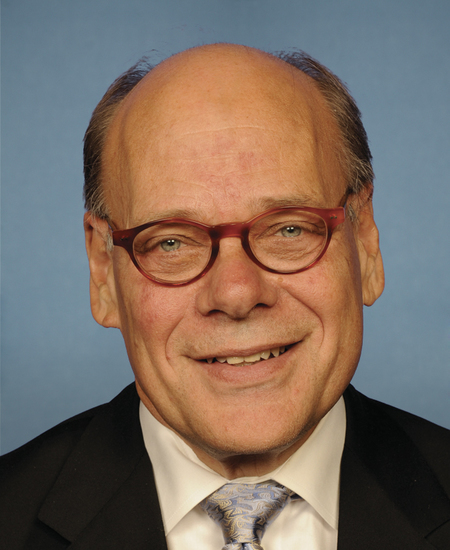
119th Congress Introduced by Steve Cohen and 12 co-sponsors

The act requires a federal study on how data centers affect communities of color and low-income areas, with findings and mitigation guidelines.

Introduced in House
0
WeVote Research Nonpartisan
Bill Summary · HR 7858

Summary of HR 7858 (119th Congress) — Data Center Community Impact Act

Purpose and Intent

  • To require the Secretary of Energy, in coordination with federal agencies, to conduct a study on the effects of data centers on communities of color and low-income communities, and to provide recommendations for mitigating potential harms.

Key Provisions

Section 1 – Short Title

  • Designates the act as the “Data Center Community Impact Act.”

Section 2 – Findings

  • Establishes context and justification for the study, including:
    • Data centers’ growing energy use (about 4.4% of U.S. electricity in 2023; projections to 6.7–12% with AI growth).
    • Water use by data centers (roughly 17 billion gallons in 2023 for cooling; significant growth projected by 2028).
    • Environmental justice concerns: communities of color, low-income communities, Indigenous peoples, and other vulnerable groups bear disproportionate environmental and health burdens.
    • Examples of concerns around siting and operation, including pollution exposure and existing local burdens.
    • Federal responsibility to protect public health and safety under environmental laws.

Section 3 – Study and Report on Effects

  • Lead agency actions:
    • The Secretary of Energy shall conduct the study in coordination with:
    • Administrator, EPA
    • Secretary of Commerce
    • Chair of FERC
    • Council on Environmental Quality
    • The study must cover:
    • Water consumption by data centers and impacts on local water supplies and drought-prone regions.
    • Energy consumption by data centers, including fossil-fuel-derived energy and effects on peak grid load.
    • Air quality impacts, including emissions from backup diesel generators and related infrastructure.
    • Effects on soil and land use, including agricultural and local food source implications.
    • Effects on the electric grid and potential impact on electricity rates.
    • Impacts of cooling processes on wastewater systems.
    • Job creation and displacement related to construction and operation of data centers.
    • Effects on state and local tax revenue, including tax incentives and whether benefits reach the surrounding community.
    • Effects on property values in nearby residential areas.
    • Public health risks related to pollution, resource stress, heat exposure, and urban heat island effects.
  • Consultation: The Secretary of Energy must consult with relevant local governments and Indian Tribes during the study.
  • Report deadline and contents:
    • A report to Congress due within 18 months of enactment.
    • The report must include:
    • An assessment of study information.
    • A map showing data center locations relative to communities of color and low-income communities.
    • Recommendations for federal coordination to mitigate potential harms.
    • Proposed guidelines or best practices for states and local governments to mitigate harms.

Section 4 – Definitions

  • Clarifies key terms:
    • Community of Color: geographic area with a higher-than-average share of any listed racial/ethnic groups (Black/African American, Asian, Pacific Islander, Hispanic/Latino, Middle Eastern or North African).
    • Data Center: as defined in EISA 2007 section 453(a).
    • Indian Tribe: as defined in Indian Self-Determination Act.
    • Local Governmental Entity: municipal or county government with land-use jurisdiction.
    • Low Income Community: census block groups where at least 30% of residents have income at or below either 80% of area median income or 200% of the federal poverty line.
    • State: includes DC and U.S. territories.

Who Would Be Affected

  • Federal agencies involved in energy, environment, commerce, and regulatory coordination.
  • Local governments and tribal governments where data centers are proposed or operate.
  • Communities identified as communities of color or low-income under the act’s definition (in relation to data center siting and operation).
  • Data center developers and operators may be indirectly affected through heightened scrutiny, study findings, and potential future guidelines.

Procedural and Timeline Aspects

  • Introduction date: March 5, 2026.
  • Referred to the House Committee on Energy and Commerce.
  • Study duration: 18 months from enactment to deliver a final report to Congress.
  • Deliverables include:
    • A comprehensive study report.
    • A location map of data centers relative to targeted communities.
    • Federal coordination recommendations.
    • State/local mitigation guidelines or best practices.

Notes

  • The bill is focused on gaining a federal, evidence-based understanding of environmental, health, economic, and social impacts of data centers on marginalized communities, with an emphasis on potential mitigation strategies and coordination across agencies.

Compiled from official sources — confirm details with the bill’s official record.

Sign in to ask a question.