

WeVote

Bill

Bill

SB 1631

Criminal Offenses - As introduced, increases the penalty for knowingly using an unmanned aircraft over any portion of a property that includes a correctional facility from a Class C misdemeanor to a Class C felony; authorizes a correctional facility employee to disable an unmanned aircraft that is operating over property that includes a correctional facility and states that the correctional facility and the correctional facility employee are not liable for damage to the unmanned aircraft as a result of being disabled. - Amends TCA Title 39.

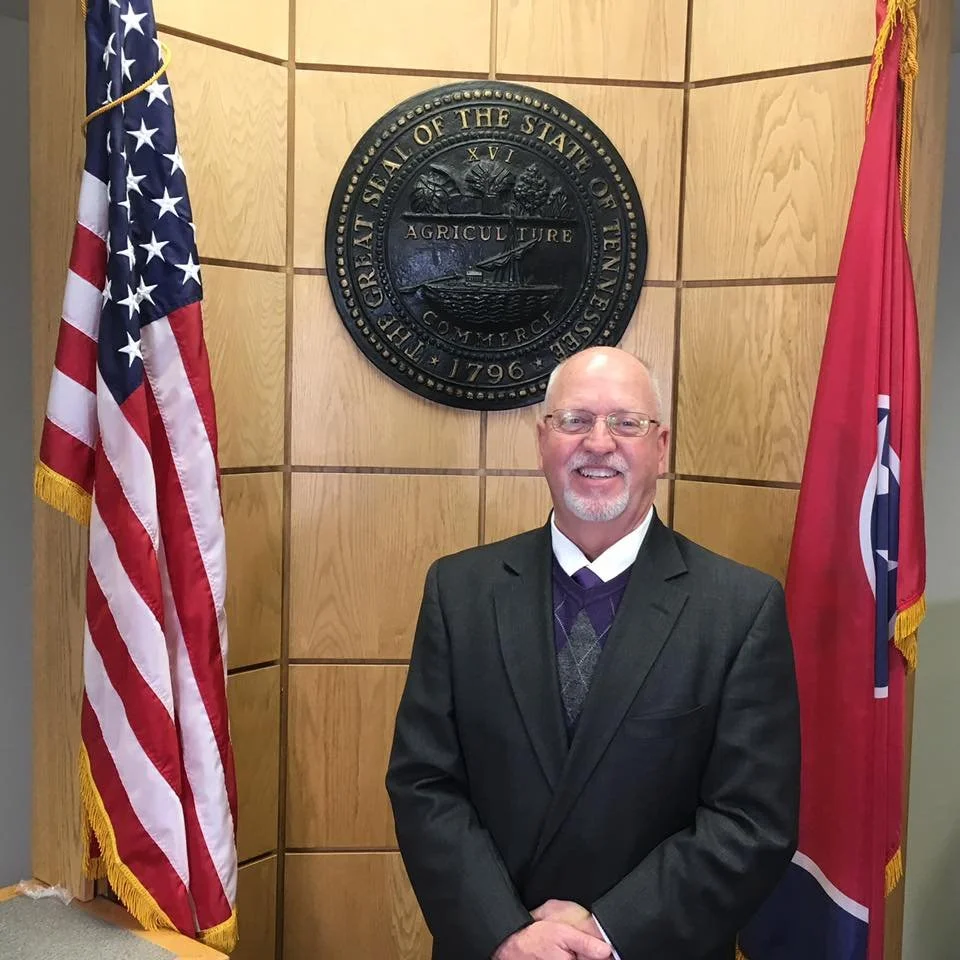
114th Regular Session (2025-2026) Introduced by Tom Hatcher

Raises drone operation over prisons from misdemeanor to felony and shields staff from liability when disabling aircraft to prevent contraband smuggling.

Placed on Senate Finance, Ways, and Means Committee calendar for 4/20/2026
0
WeVote Research Nonpartisan
Bill Summary · SB 1631

Legislative bill overview

SB 1631 elevates the criminal penalty for operating a drone over correctional facilities from a Class C misdemeanor to a Class C felony, and grants correctional facility employees legal authority to disable drones without liability for damage. The bill amends Tennessee's criminal code to address security concerns at prisons and jails.

Why is this important

Drones have become a practical tool for smuggling contraband (drugs, weapons, phones) into correctional facilities, creating security and safety risks. This bill provides both criminal deterrence through felony charges and an operational mechanism for facilities to address the immediate threat, reflecting a growing national problem in corrections.

Potential points of contention

  • Severity of penalty escalation: Elevating to felony status (typically for serious crimes) for drone operation may be disproportionate, particularly if the operator was unaware the facility was present or had no intent to smuggle contraband
  • Broad immunity language: The unlimited liability shield for facility employees who disable drones could permit destruction of expensive private property with minimal accountability, even if the drone operator was engaged in lawful activity
  • Vagueness of "over any portion": The language could criminalize drones passing through airspace above facility property even at significant altitude or with no intent to aid the facility, raising questions about reasonable enforcement boundaries

Compiled from official sources — confirm details with the bill’s official record.

Sign in to ask a question.