

WeVote

Bill

Bill

SB 1820

criminal monetary thresholds; offense classifications

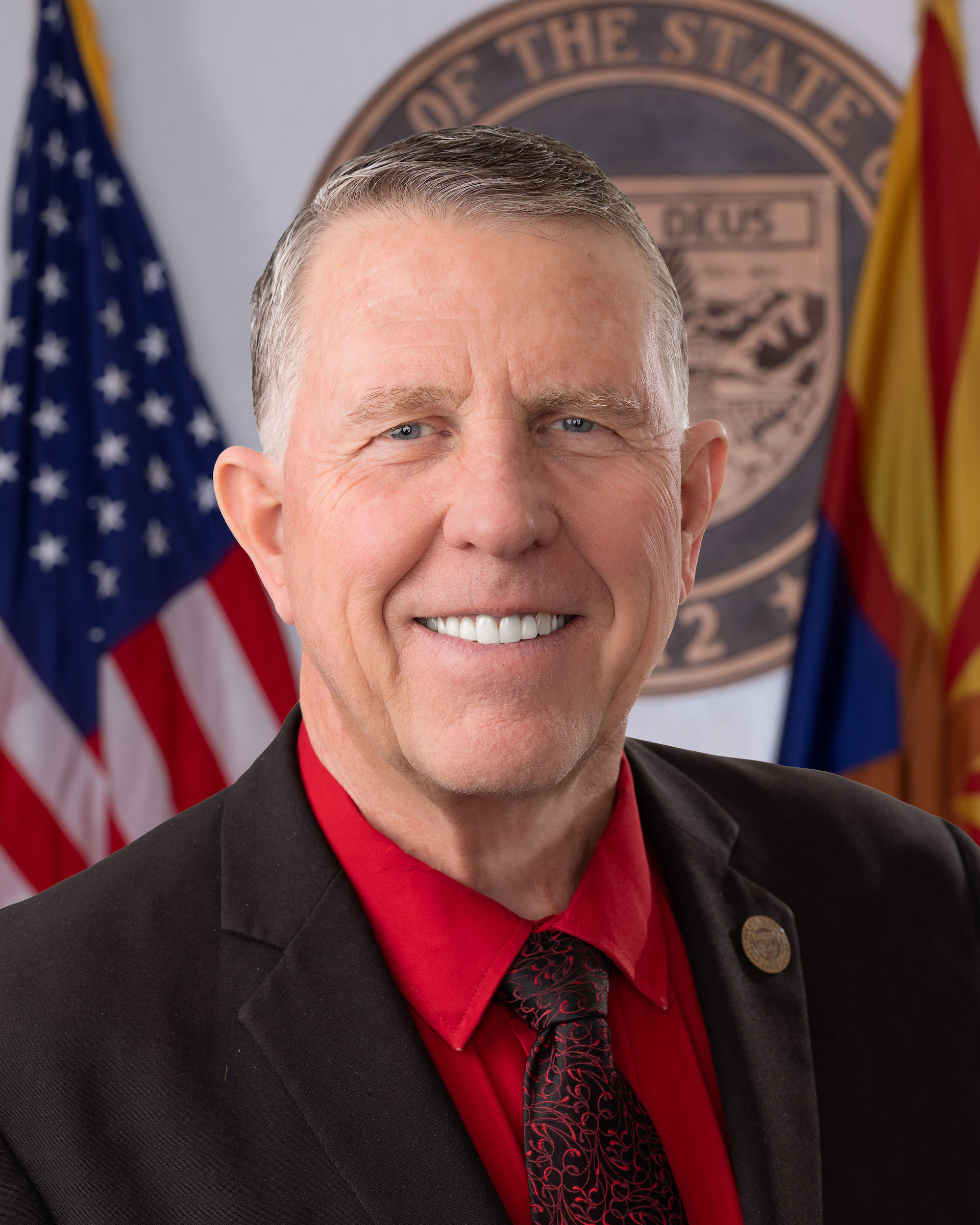
57th Legislature - Second Regular Session Introduced by Dave Farnsworth

SB 1820 updates Arizona's property crime monetary thresholds that determine felony versus misdemeanor charges, adjusting for inflation and changing offense classifications.

Senate First Reading
0
WeVote Research Nonpartisan
Bill Summary · SB 1820

Legislative bill overview

SB 1820 adjusts the monetary thresholds used to classify certain property crimes in Arizona's criminal code. These thresholds determine whether offenses like theft, shoplifting, or fraud are charged as misdemeanors or felonies based on the dollar amount involved. The bill updates these dollar amounts, which haven't been significantly revised in many years.

Why is this important

Monetary thresholds directly affect criminal penalties, sentencing length, and whether someone receives a felony record versus a misdemeanor. Because inflation has eroded the purchasing power of money, thresholds that were set decades ago may result in minor offenses being charged as felonies. This bill's adjustments could meaningfully impact criminal justice outcomes and enforcement practices across the state.

Potential points of contention

  • Severity of enforcement: Raising thresholds means some property crimes will be charged less severely, which victims' advocates may oppose while criminal justice reformers may support
  • Fiscal impact: Changes affect prison populations, court workloads, and law enforcement priorities—with uncertain budget consequences
  • Inflation adjustment methodology: Disagreement over whether adjustments adequately reflect true cost-of-living changes or whether they're too aggressive/insufficient

Compiled from official sources — confirm details with the bill’s official record.

Sign in to ask a question.