

WeVote

Bill

Bill

HB 1993

Crimes and punishments; clarifying scope of certain unlawful act; effective date.

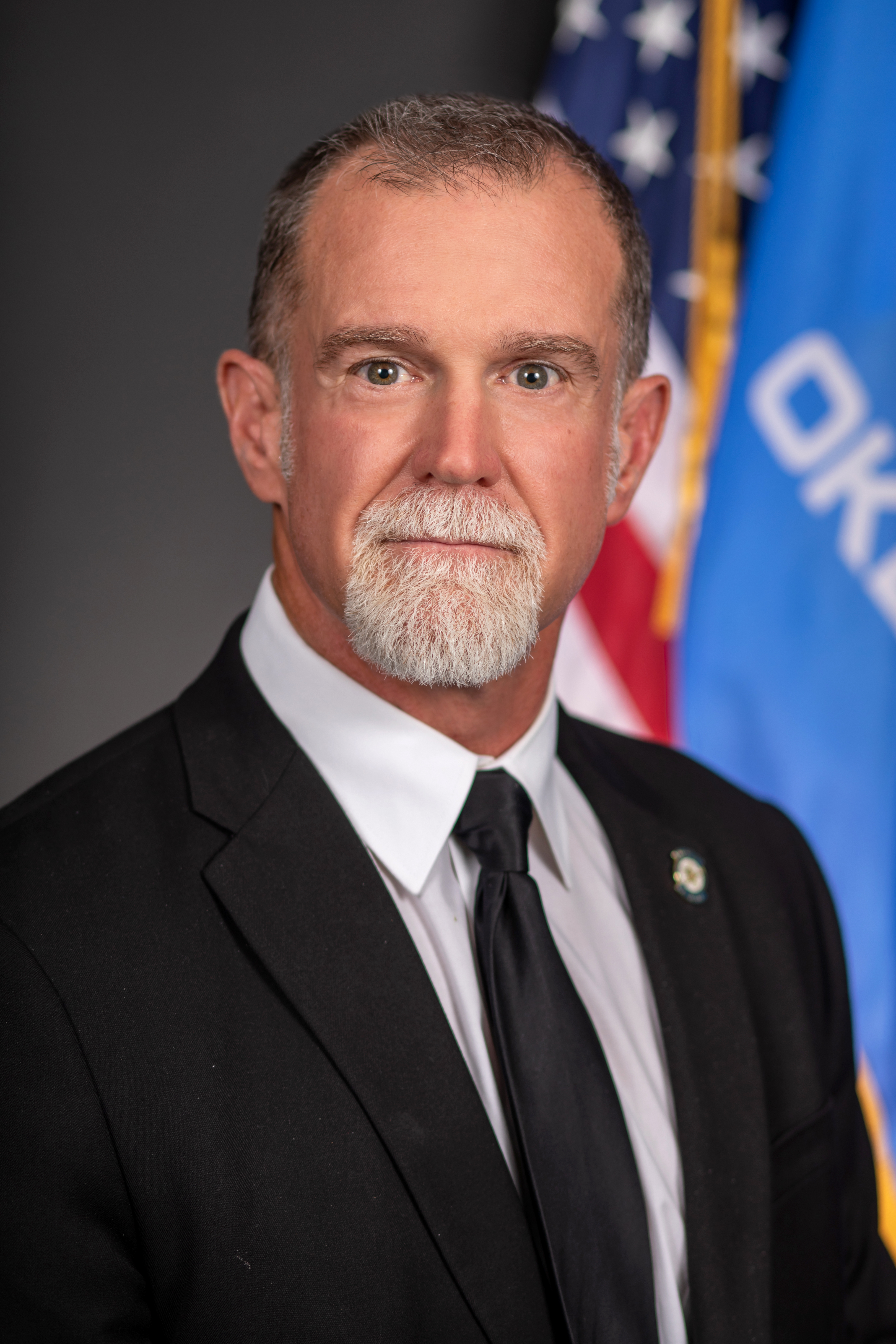
2025 Regular Session Introduced by Warren Hamilton and 1 co-sponsor

Arkansas HB 1993 would require fault to stay with the rear driver in certain rear-end crashes claiming a fleeing third vehicle with no new damage, curbing staged crashes.

Becomes law without Governor's signature 05/15/2025
0
WeVote Research Nonpartisan
Bill Summary · HB 1993

Summary — HB 1993 (submitted materials)

Note up front: the materials supplied contain conflicting texts for “HB 1993.” The primary legislative text provided is an Arkansas bill titled to prevent motor vehicle insurance fraud (adds Ark. Code § 23-66-514). Separately, the packet also includes unrelated Illinois HB1993 appropriation text and an inconsistent bill title (“Suffrage; restore to Joe Nelson London of Lee County”). The summary below focuses on the Arkansas bill text (insurance fraud) and then notes the inconsistencies.

Bill at a glance

  • Bill number: HB 1993
  • Primary sponsors (Arkansas text): Rep. Nazarenko; Sen. J. Boyd
  • Subject: Motor vehicle insurance fraud / Judiciary B
  • Statutory change proposed: Adds Ark. Code § 23-66-514 to Title 23, Chapter 66, Subchapter 5
  • Introduced: January 22, 2025
  • Final status: Died in House committee (sine die adjournment, May 5, 2025)

Purpose / intent

The bill seeks to curb a type of staged or fraudulent motor-vehicle crash claim where an alleged third vehicle is blamed for causing a second vehicle to strike a stopped (first) vehicle and then allegedly flees the scene. It would create a statutory rule assigning fault to the vehicle that rear-ends another vehicle in specific circumstances, to deter schemes that attempt to shift blame to a fleeing/phantom vehicle.

Key provisions (what the bill would do)

  • Adds Ark. Code § 23-66-514 with two subsections:
    • (a) If a vehicle A is rear-ended by vehicle B, and B claims a third vehicle C caused B to strike A, but C has left the scene and there is no “obvious new damage” to the rear of B, then fault cannot be placed on the alleged driver of C.
    • (b) Under the facts in (a), fault shall be determined to be the fault of the driver of the vehicle that rear-ended the first vehicle (i.e., B).
  • In effect establishes a statutory allocation/presumption of fault in rear-end crash scenarios meeting those conditions.

Who would be affected

  • Drivers involved in rear-end crashes (particularly alleged multi-vehicle stories where a third vehicle is said to have cut in and fled).
  • Auto insurers and claims adjusters (would change how some claims are evaluated and assigned fault).
  • Law enforcement and courts (new statutory standard to apply in investigations, settlements, and litigation).
  • Potential indirect effect on premiums and subrogation/recovery practices.

Potential impact and issues

  • Likely to deter staged crash schemes that rely on blaming a fleeing third vehicle.
  • Insurers would have clearer statutory ground to deny or reassign fault when there is no visible new damage to the rear of the middle vehicle.
  • Could disadvantage rear-ending drivers even in genuinely ambiguous incidents where third-party causation existed but physical evidence is minimal.
  • Key terms (e.g., “obvious new damage”) are subjective and may generate disputes over application.
  • Interactions with Arkansas tort/comparative fault doctrines, existing traffic law, and insurance contract law could require further legal clarification.

Procedural history (select)

  • Filed: January 22, 2025
  • Referred to State Affairs; also cited as referred to Judiciary B in records (multiple committee entries present)
  • Ultimately: Died in House committee at sine die adjournment (May 5, 2025)

Conflicting materials / caveat

  • The packet also includes an unrelated Illinois HB1993 (104th GA) that would appropriate $2 to Governors State University (introduced 2/4/2025 by Rep. Tony M. McCombie) and a different bill title concerning “Suffrage; restore to Joe Nelson London of Lee County.” These appear to be different measures from other jurisdictions and are not part of the Arkansas motor vehicle insurance-fraud text summarized above. If you want a summary of a different HB1993 (Illinois appropriation or the suffrage item), please clarify which jurisdiction and text to summarize.

Compiled from official sources — confirm details with the bill’s official record.

Sign in to ask a question.