

WeVote

Bill

Bill

SB 3510

CRIMES AGAINST CHILDREN

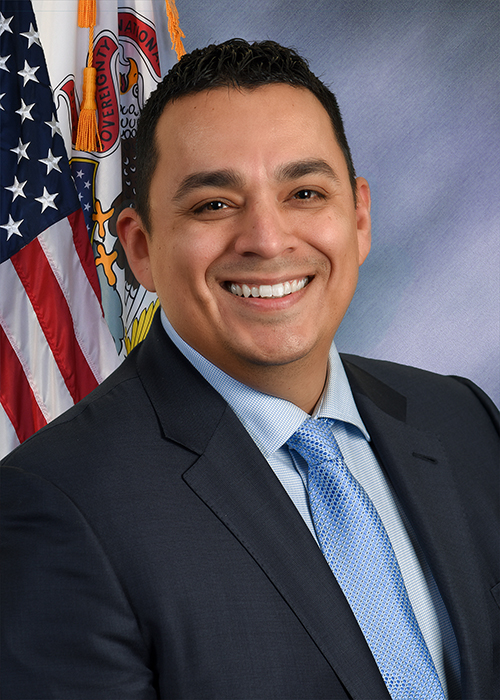
104th Regular Session Introduced by Li Arellano and 14 co-sponsors

Standardizes trauma-informed, multi-agency coordination via designated CACs/MDTs to protect child victims, improve investigations, and guide forensic interviews and privacy protect

Sent to the Governor
0
WeVote Research Nonpartisan
Bill Summary · SB 3510

Summary of Bill SB3510 (104th Illinois General Assembly)

Purpose and Intent

SB3510 amends several Illinois laws to strengthen the state's response to child maltreatment, with a focus on:

  • formalizing and standardizing the use of Children’s Advocacy Centers (CACs) and Multidisciplinary Teams (MDTs)
  • enhancing confidentiality and information-sharing protocols within investigations
  • expanding rights related to forensic interviewing for child victims
  • clarifying hearsay rules and protections when handling cases involving trafficking, involuntary servitude, and related offenses
  • strengthening privacy protections for child victims in criminal sexual offense cases

The bill emphasizes a coordinated, trauma-informed, multidisciplinary approach to investigations, prosecutions, and treatment for child maltreatment, including trafficking-related cases.

Key Provisions and Changes

1) Child Advocacy Centers and Multidisciplinary Teams (CACs and MDTs)

  • MDTs must work together, share information, and maintain confidentiality throughout investigations.
  • MDTs must coordinate and communicate with nonoffending parents/caregivers and families about investigation status.
  • CACs are designated to coordinate activities across agencies involved in investigation, prosecution, and treatment of child maltreatment.
  • CACs must implement a multidisciplinary systems approach with MDT members as equal partners in investigations.
  • Each CAC must include a comprehensive interagency notification process, cross-agency access to pertinent records, defined agency roles, dispute resolution procedures, and a process to assist in forensic interviewing.
  • CAC components include:
    • Safe, child-friendly space and dedicated staff
    • Multidisciplinary case reviews and staffings
    • Training for professionals
    • Client tracking systems
    • Evaluations of CAC effectiveness
    • A policy to familiarize children and non-offending family members with court processes and testimony preparation
  • CACs in counties with referenda can propose annual budgets to county boards and may create a separate Children’s Advocacy Center Fund for operational needs.

2) Trafficking and Victim-Centered Confidentiality

  • MDT members must not reveal a child’s identity in criminal proceedings or related investigations, except as permitted by a court order.
  • Provisions align with broader confidentiality protections for child victims in trafficking and related offenses.

3) Hearsay Exceptions for Certain Victims

  • The Code of Criminal Procedure’s hearsay exceptions (Section 115-10) are amended to apply to prosecutions involving child victims of trafficking, involuntary servitude, and related offenses, as well as victims with disabilities.
  • Requirements for admissibility remain: reliability safeguards, corroboration or testimony by the child/qualified witness, and age-related timing rules.
  • Additional guidance on jury instructions about weight/credibility of out-of-court statements.

4) Bill of Rights for Children – Forensic Interviews

  • Every child reported to DCFS or law enforcement as a victim of sexual abuse/assault, physical abuse, trafficking, involuntary servitude, and related offenses has the right to a forensic interview conducted by a CAC-accredited interviewer serving the appropriate jurisdiction.
  • Investigative personnel must provide notice of this right; CAC protocols outline steps if a CAC interview cannot occur.

5) Privacy Protections (Privacy of Child Victims of Criminal Sexual Offenses Act)

  • Law enforcement and court records related to a child victim’s case must restrict disclosure of the child’s identity unless a court orders otherwise.
  • When school district employees are implicated, criminal history information must be shared with district superintendents immediately, but the victim’s identity must be excluded.
  • Mandated reporters remain unaffected; provisions do not preclude reporting obligations.

Who/What Is Affected

  • Children under 18 (and youths ages 18-24 in trafficking contexts) who are victims or alleged victims of physical or sexual abuse, trafficking, involuntary servitude, or related offenses.
  • Local CACs, MDTs, and CACIs (state chapter under National Children’s Alliance).
  • Law enforcement, prosecutors (state’s attorneys), DCFS, medical/mental health providers, child advocacy professionals, school personnel where appropriate, and non-offending family members.
  • Counties implementing CAC funding mechanisms and referenda-enabled budgets for CAC operations.

Procedural and Timeline Aspects

  • The act reorganizes definitions and responsibilities, with an emphasis on written protocols updated annually by CAC Advisory Boards.
  • Counties with referenda can fund CACs via annual budgets approved by county boards; establishment of dedicated CAC funds is provided.
  • Forensic interviews: right-based protocol to be implemented when resources allow; local CAC protocols determine feasibility and follow-up services.
  • The hearing/forensic interview protections and hearsay exceptions apply at the time of prosecution and related investigations, with specific safeguards for vulnerable populations.

Overall Impact

SB3510 aims to standardize a trauma-informed, fully integrated approach to child maltreatment cases in Illinois. By elevating CACs as central coordinating hubs, expanding forensic-interview rights, tightening confidentiality, and adjusting evidentiary rules where appropriate, the bill seeks to improve accuracy of investigations, protect child victims, ensure consistent interagency collaboration, and enhance support services for affected families.

Compiled from official sources — confirm details with the bill’s official record.

Sign in to ask a question.